Test report · tested November 27, 2026
Supply Chain & PolicyDevice under test
Taiwan's 2026 GDP forecast lifted to 13.28%, best since 1978
Taiwan's DGBAS raised its 2026 GDP growth forecast to 13.28%, up 2.23 points, on AI chip demand; 2027 now seen at 6.51% with inflation easing to 1.96%.
- Read
- 3 min
- Words
- 550
- Segment
- Supply Chain & Policy
- Operator
- Elena Vasquez
Spec summary
- 2026 GDP growth forecast raised to 13.28% from 11.05%, a 2.23-point upgrade
- Strongest growth since 1978, when Taiwan's GDP expanded 13.56%
- Third-quarter growth 14.39% year on year; fourth quarter projected at 10.42%
- 2027 forecast lifted to 6.51% from 6.04%, an increase of 0.47 point
- CPI growth forecast at 2.07% this year and 1.96% next year
Taiwan's statistics agency raised its 2026 gross domestic product growth forecast to 13.28%, a 2.23 percentage-point upgrade from 11.05% that would put Taiwan on course for its strongest year in 48 years.
The Directorate-General of Budget, Accounting and Statistics (DGBAS) published the revision, reported by Taiwan's Central News Agency and Reuters on the 27th. Taiwan last grew this fast in 1978, when GDP expanded 13.56%, leaving the new forecast 0.28 points short of a near-half-century record.
- 2026 GDP forecast: 13.28%, up from 11.05% (+2.23 points)
- 2027 GDP forecast: 6.51%, up from 6.04% (+0.47 points)
- Q3 growth: 14.39% year on year; Q4 projected at 10.42%
- CPI: 2.07% this year, 1.96% next year
- Recent history: 1.08% (2023), 5.29% (2024), 8.94% (2025)
How does 13.28% compare with recent years?
Growth ran at 1.08% in 2023, then accelerated to 5.29% in 2024 and 8.94% last year as the AI buildout pulled orders through the chip supply chain. The new forecast adds 4.34 points to last year's pace, and it works out to roughly 3.2% a quarter, compounded.
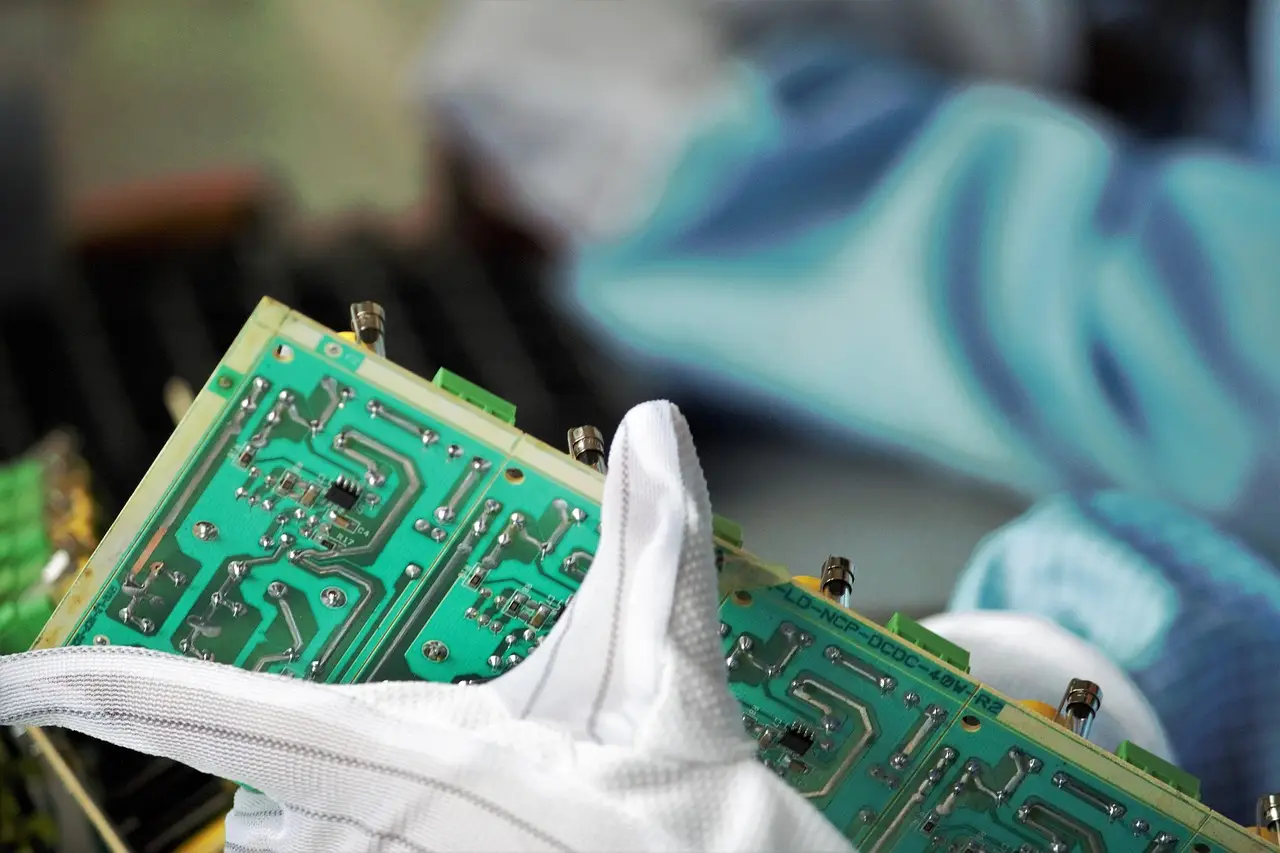
TSMC, the world's largest contract chipmaker, sits at the centre of that engine. DGBAS credits semiconductor makers' exports with driving the expansion as global demand for AI chips climbs.
What does the quarterly data show?
The economy grew 14.39% in the third quarter from a year earlier, and DGBAS projects continued growth of 10.42% in the fourth quarter. Those two readings average 12.4% year on year, which is where the agency's full-year call comes from.
Even with that slower fourth-quarter pace, the full-year forecast lands within 0.28 points of the 1978 result. The upgrade itself adds about a fifth to the agency's earlier expectation, since 2.23 points on top of 11.05% is a 20% upward revision.
What does the 2027 forecast say?
DGBAS also lifted its 2027 growth forecast to 6.51% from 6.04%, an increase of 0.47 point. That is a 6.77-point deceleration from 2026 and roughly half the 13.28% pace just forecast, but the upgrade is a smaller one than this year's 2.23 points, and the rate still runs about six times the 1.08% recorded in 2023.
What puts the forecast at risk?
Two factors sit between the agency and its numbers: concern about the returns on AI investment, and U.S. controls on semiconductor exports. Taiwan's government nonetheless expects AI-related demand to keep supporting economic growth.
What happens to prices?
DGBAS forecasts consumer price index growth of 2.07% this year and 1.96% next year. With inflation falling below 2% next year, the agency expects growth and price stability to arrive together — at 13.28% nominal growth against 2.07% inflation, this year's expansion is roughly 11.2% in real terms.
Next year the same arithmetic gives about 4.5% real growth, a 6.51% nominal rate against 1.96% inflation. For an economy that managed 1.08% in 2023, double-digit nominal growth alongside sub-2% prices is what the agency now underwrites for the next 24 months.
via en.sedaily.com (Source)
More from Elena Vasquez
Show full bio
Senior reporter covering people, launches and day-to-day practice in hardware layer of artificial intelligence at Die Signal.
814 articles