Test report DSG-9103 · Rev D · tested November 18, 2026
Memory & StorageDevice under test
Druckenmiller Boosts Seagate 180%, Dumps TSMC in AI Storage Pivot
Duquesne lifted Seagate 180.2% to 341,790 shares, cut TSMC 94.5% and exited AMD, Arm and SanDisk, as BofA's fund manager survey shows tech overweighting collapsing to 12%.
- Read
- 4 min
- Words
- 762
- Node
- 28nm
- Operator
- Grace Kim
Spec summary
- Duquesne raised Seagate holdings 180.2% to 341,790 shares and added 80,960 Western Digital shares worth about $36.79 million
- The firm cut TSMC by 94.5% and fully exited AMD, Arm, SanDisk and Alphabet
- BofA survey: tech overweight share fell to 12% in November from 37% in October, the largest monthly drop since June 2006
- Record 38% of fund managers say companies are overinvesting; 52% expect a hyperscaler capex cut within six months
- Duquesne raised Unity Software 435.5% and Amazon 42.7%, and bought new stakes in gold miners Newmont and Barrick
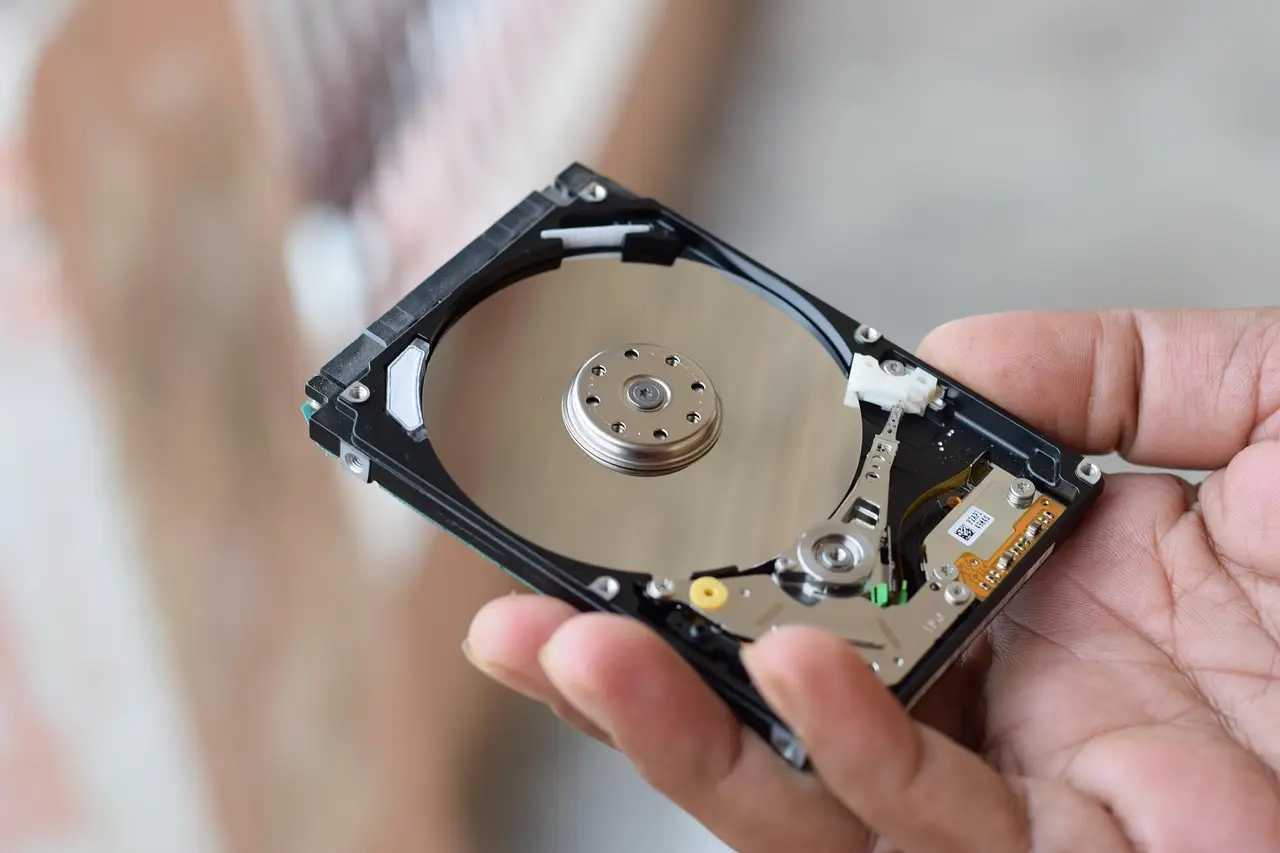
Stanley Druckenmiller's Duquesne Family Office raised its stake in hard disk drive maker Seagate by 180.2% to 341,790 shares in the third quarter, while slashing its TSMC position by 94.5%, according to a 13F filing (the quarterly disclosure U.S. institutional investors must file with the SEC) submitted May 16 and confirmed by the Securities and Exchange Commission on the 17th.
The numbers tell a clean story. Seagate holdings rose to 341,790 shares from 122,000 at the end of the third quarter. Duquesne also took a fresh position in call options (contracts giving the right to buy shares at a set price) on 98,000 more Seagate shares. On top of that, the firm bought 80,960 shares of Western Digital, the other major HDD maker, worth roughly $36.79 million.
Why storage, and why now?
The moves read as a bet on where AI infrastructure spending goes next. As artificial intelligence data centers expand, demand for large-scale data storage grows with them. HDDs hold an edge over NAND flash-based storage (the chips used in SSDs) when the job is storing vast amounts of data cheaply.
In other words, Druckenmiller is rotating out of the chips that train AI models and into the drives that keep the resulting data. The trade is about cost per terabyte, not compute horsepower.
What did Duquesne sell?
The sell side of the filing is just as aggressive:
- TSMC — cut by 94.5% from the previous quarter. The Taiwanese foundry, which manufactures chips for Nvidia and Apple among others, had been one of the flagship AI hardware plays.
- AMD — the entire stake in the U.S. chipmaker was sold off.
- Arm — the British chip designer's shares went entirely.
- SanDisk — full exit from the NAND flash-based storage company.
- Alphabet — Duquesne sold its whole position in Google's parent company.
Not everything tech got cut. The firm raised its Unity Software holding by 435.5% quarter over quarter and its Amazon stake by 42.7%. And it opened new positions in gold miners Newmont and Barrick — a classic hedge play when equity risk starts to look rich.
Is Wall Street falling out of love with tech?
Duquesne isn't alone in repositioning, and the broader numbers are striking. In Bank of America's monthly survey of fund managers, the share of respondents saying they would keep technology stocks overweight (holding more than the market benchmark weight) fell to 12% in November, down from 37% in October.
That is the largest monthly drop since June 2006.
Two more data points from the same survey sharpen the picture. A record 38% of respondents said companies are overinvesting. And 52% expect at least one major AI hyperscaler (the giant cloud operators like Microsoft, Amazon and Google that spend tens of billions on AI infrastructure) to announce a capital spending cut within the next six months.
Michael Hartnett, investment strategist at BofA, offered a blunt read on what the survey responses mean. Investors are sending companies a strong signal to pause AI investment spending, he said.
What does this change for investors?
For anyone tracking AI-exposure trades, the actionable signal is the rotation itself. Compute chipmakers and foundries — the first and biggest winners of the AI buildout — are where the selling concentrates. Storage, where HDDs offer the cheapest capacity for the data that AI generates, is where Duquesne is adding. That is a second-order bet: less on training models, more on warehousing what they produce.
The BofA survey adds a timing question. If a majority of fund managers expect a hyperscaler capex cut within six months, the sector's earnings expectations may still be too high. A record share calling corporate investment excessive suggests the market's patience with AI spending without matching returns is thinning.
The gold miner purchases, meanwhile, are the defensive footnote. Newmont and Barrick tend to benefit when investors hedge equity and currency risk — a position consistent with trimming one of the market's most crowded trades.
The bottom line
One 13F filing is a snapshot, not a strategy memo — filings arrive 45 days after quarter end and may not reflect current positions. But the direction is unambiguous: a high-profile investor who rode the AI chip trade is now paying up for drives and gold, not wafers. Combined with the sharpest tech-overweight decline in nearly two decades of BofA survey data, the storage pivot looks less like a one-off and more like where the smart money thinks the next leg of AI spending lands.
via en.sedaily.com (Source)
More from Grace Kim
Show full bio
Market editor covering regulation, policy and their impact on hardware layer of artificial intelligence at Die Signal.
665 articles
Same lot · LOT-362E
- DSG-615114nmSeagate Tests Its AI Storage Thesis at $551.72 a Share
- DSG-36557nmSanDisk Falls 6% as China's DRAM Progress Triggers Memory Selloff
- DSG-29547nmSeagate Jumps 9% as CoreWeave Results Revive AI Storage Trade
- DSG-696514nmSamsung Reports 783% Profit Jump to Record $80bn on AI Chip Demand
- DSG-242228nmDigital Realty posts $1.9bn quarter and record $2.5bn backlog