Test report DSG-2006 · Rev C · tested November 16, 2026
Memory & StorageDevice under test
Commodity NAND Prices Slide While AI Data Center Supply Stays Tight
NAND spot prices have slid since mid-October as YMTC expands supply and smartphone shipments fall 14%; BofA sees 5-10% further price drops in Q1, while AI eSSD prices climb 15-20%.
- Read
- 3 min
- Words
- 631
- Node
- 10nm
- Operator
- Amara Osei
Spec summary
- BofA projects smartphone and PC NAND prices to fall 5-10% quarter-on-quarter in Q1 next year.
- Global smartphone shipments are projected at 1.07 billion units this year, down about 14% from 1.25 billion (Counterpoint Research).
- eSSDs reached 48% of NAND bit shipments in Q2, up from 26% a year earlier; TrendForce expects Q4 eSSD contract prices to rise 15-20%.
- YMTC held 14% of NAND revenue in Q2, tied for fourth with Kioxia behind Samsung's 28%.
- TrendForce expects Q4 PC DRAM contract prices to rise 13-18% from the previous quarter.
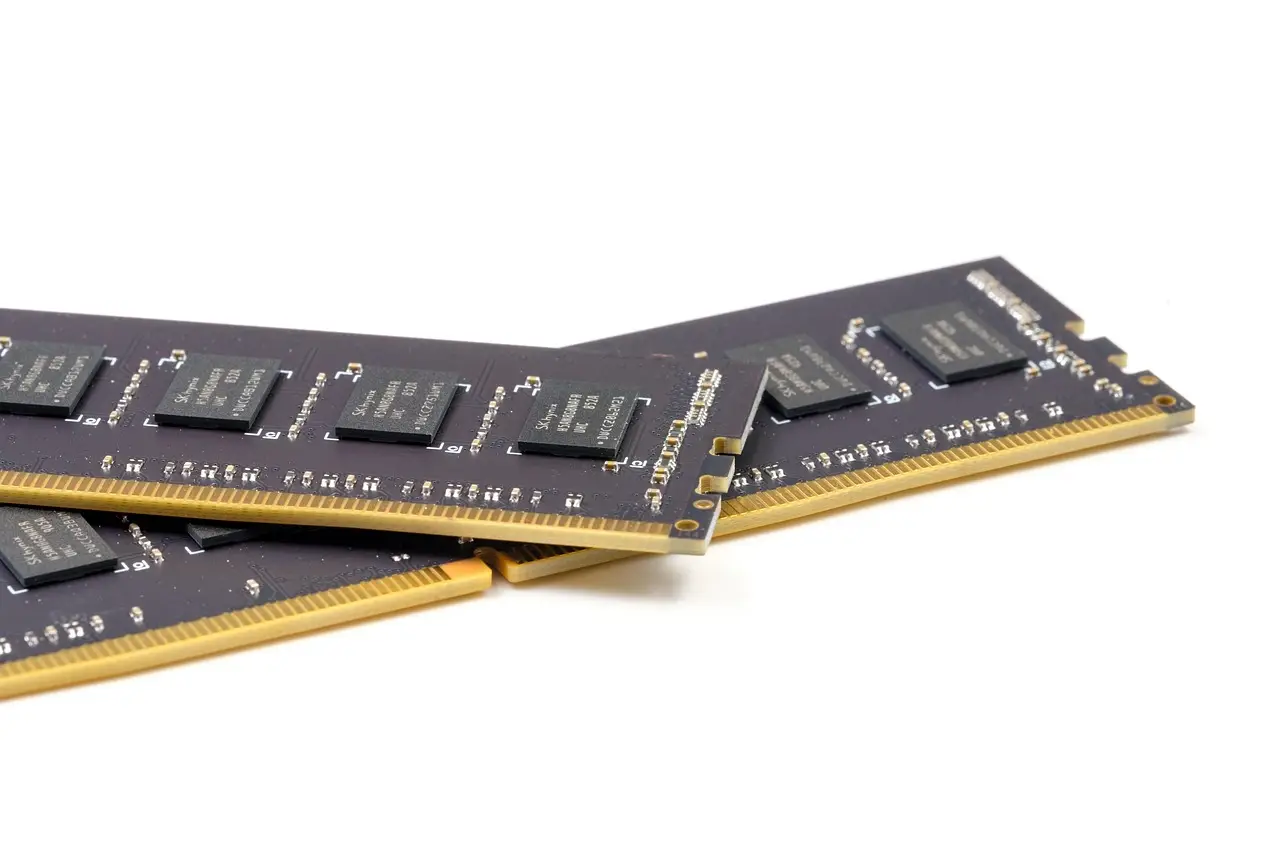
NAND spot prices have been falling since mid-October, and Bank of America projects smartphone and PC NAND prices will drop another 5-10% quarter-on-quarter in Q1 next year. The decline marks a sharp split inside the memory market: commodity NAND is sinking while enterprise SSDs for AI data centers stay in short supply.
Why are commodity NAND prices falling?
Two forces are pressing prices down at once. Smartphone and PC makers, the main buyers of commodity NAND, cut purchases as memory prices climbed, and China's Yangtze Memory Technologies (YMTC) expanded production aggressively. Continued output on older process nodes adds further supply pressure and weakens the industry's pricing power.
The weakness surfaced first in the distribution market. TrendForce said spot prices are falling as slowing orders from smartphone and PC makers coincide with inventory clearance by module makers.
How bad is smartphone and PC demand?
Counterpoint Research projects global smartphone shipments at 1.07 billion units this year, down about 14% from 1.25 billion a year earlier, with 1.06 billion expected next year. Phone makers have raised product prices or cut base storage capacity, so both unit sales and NAND content per device are falling.
PCs show the same pattern. Gartner counted 55.35 million global PC shipments in the third quarter, down 22.4% year-on-year. Rising component costs, including memory, pushed finished product prices up and dampened replacement demand; manufacturers now prioritize inventory drawdowns over new component orders.
What is YMTC's role in the price war?
NAND has six major suppliers — Samsung Electronics, SK hynix, Micron, Kioxia, SanDisk and YMTC — against three in DRAM. Counterpoint Research data for the second quarter puts Samsung at 28% of NAND revenue, SK hynix at 19%, Micron at 15%, and YMTC tied for fourth with Kioxia at 14%. As YMTC expands supply, price competition in commodity products has intensified.
Older fabs compound the problem. In a report on the 13th, BofA said fabs accounting for 20-30% of global NAND wafer capacity cannot produce the advanced NAND required for high-performance enterprise SSDs, so commodity supply will continue even if AI server demand grows.
Yoo Hoi-jun, a professor at KAIST's School of Electrical Engineering, said advanced AI products are unlikely to be in oversupply, while older products that YMTC is catching up on may be. Supply and demand conditions differ between high-value and commodity products, making it hard to judge the NAND market as a single whole.
What keeps AI data center products strong?
Enterprise SSDs bound for North American AI data centers continue to show strength. Counterpoint Research data shows eSSDs accounted for 48% of total NAND bit shipments in the second quarter, up sharply from 26% a year earlier. TrendForce expects fourth-quarter eSSD contract prices to rise 15-20% from the previous quarter, driven by the need to store and retrieve large data volumes quickly for both AI training and inference. Nvidia has also unveiled technology that uses SSDs to store AI inference data.
Why is DRAM different?
DRAM pricing remains firm because its supply structure differs. Samsung, SK hynix and Micron have concentrated on high-bandwidth memory (HBM) and server DRAM, tightening conventional DRAM supply. HBM uses more than three times as many wafers as conventional DRAM for the same capacity. TrendForce expects fourth-quarter PC DRAM contract prices to rise 13-18% quarter-on-quarter.
An industry official said the common view is that NAND will struggle to sustain the kind of steep price increases seen so far, unlike DRAM. BofA projects the overall average selling price for NAND will decline slightly in Q1 next year. The two memory markets face the same weak end demand, but their supply structures are pulling their prices in opposite directions.
via en.sedaily.com (Source)
More from Amara Osei
Show full bio
Staff writer covering money, funding and market shifts around hardware layer of artificial intelligence at Die Signal.
698 articles
Same lot · LOT-362C
- DSG-746045nmConsumer NAND Spot Prices Drop 20% in a Month, Signaling Cheaper SSDs
- DSG-138928nmNAND Spot Prices Fall 20% as BofA Forecasts Another 5%-10% Drop
- DSG-413028nmSamsung, SK hynix NAND Profits Projected to Surge Up to 40-Fold
- DSG-659128nmSamsung Targets $80B Quarterly Profit as Memory Prices Bite
- DSG-671220nmAcer chairman: China supply may burst DRAM and NAND price bubble by mid-2027