Test report DSG-5235 · Rev F · tested November 3, 2026
Memory & StorageDevice under test
Apple's memory bill climbs $33 billion as RAM prices surge into 2027
Apple's manufacturing bill is up $33 billion as AI demand squeezes DRAM and NAND supply. CEO John Ternus calls pricing 'unprecedented,' with suppliers warning of shortages into 2028.
- Read
- 3 min
- Words
- 594
- Node
- 65nm
- Operator
- Elena Vasquez
Spec summary
- Apple's manufacturing bill climbed $33 billion in just a few months.
- CEO John Ternus called memory price increases 'unprecedented' on the November 2 earnings call.
- Apple raised MacBook Pro starting prices by $400 in June amid the RAM crisis.
- SK Hynix has long-term agreements covering over half its capacity for 2027 and 2028.
- Apple expanded inventory to $11.09 billion as a buffer against price pressure.
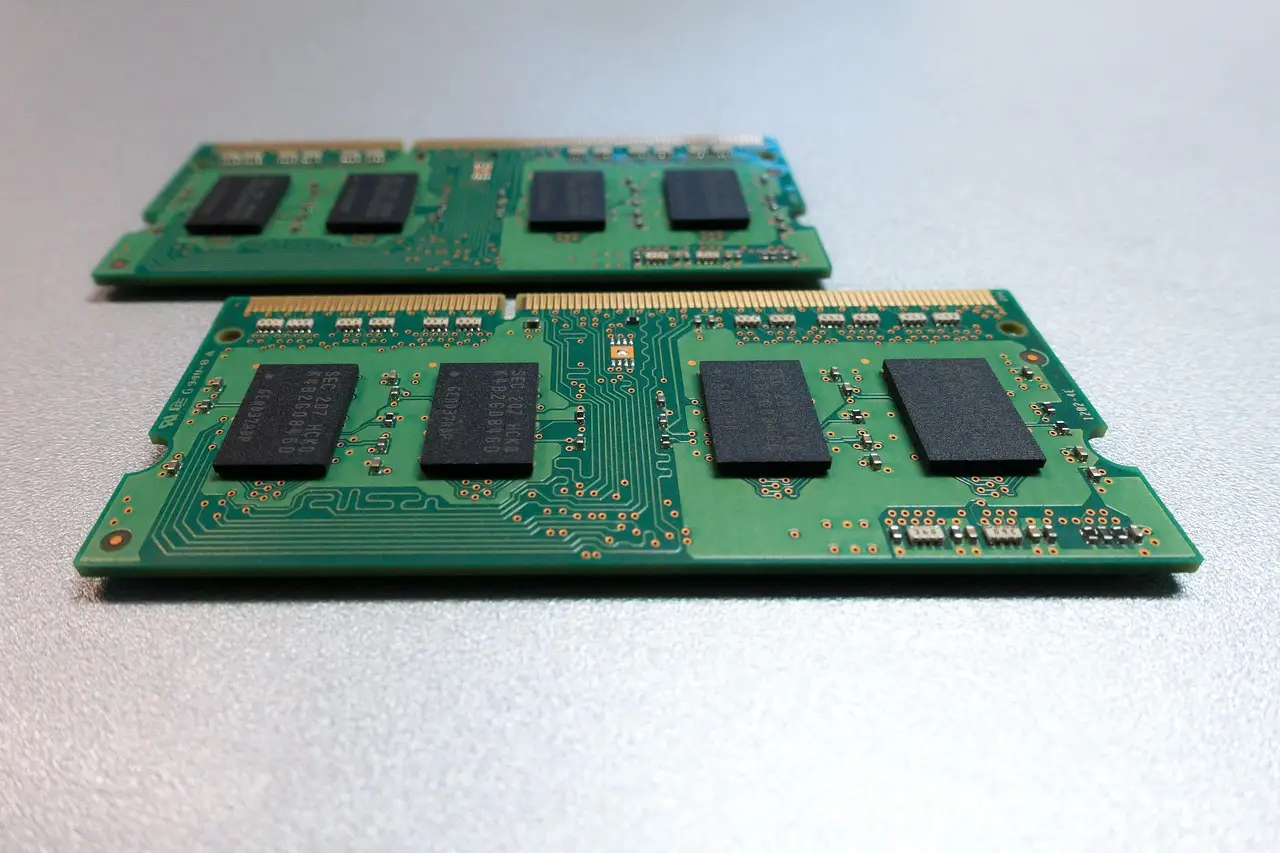
Apple's manufacturing bill has climbed by $33 billion in just a few months, and the company expects memory purchases to get even more expensive through 2027. CEO John Ternus called the current RAM price increases "unprecedented" during the company's November 2 earnings call.
The driver is AI. Demand for data center infrastructure is tightening DRAM and NAND supply across the industry, pushing up costs for device makers and leaving less memory available for consumer electronics. Apple is heading into its busiest shopping season with that pressure building underneath it.
What did Ternus actually say?
"What we're seeing with memory pricing right now is unprecedented," Ternus told analysts. He laid out the timeline: memory costs were already higher in the September quarter compared with the June quarter, and Apple expects "even higher memory costs" for the December quarter.
The company has softened the blow so far through three levers: memory bought earlier at lower prices, cheaper non-memory components, and retail price increases. Apple raised prices on many Mac and iPad models at the end of June and on iPhone in September. In Ternus's words, "these price increases provided some offset."
That cushion is getting thinner. Apple has not announced another round of price increases, but memory sits across its entire hardware lineup, so sustained increases threaten manufacturing costs for several product categories at once.
How long could this last?
Dave Nicholson, Chief Research Officer at the Futurum Group, sees memory prices as a growing pressure point for Apple's margins and hardware pricing through the holiday season and into 2027. He also flagged a distinction worth noting for practitioners: Apple is in a different position from companies pouring hundreds of billions of dollars into AI data center infrastructure. The impact of higher component costs is easier to quantify than the eventual returns on massive AI capital expenditure, he said.
The supplier warnings back that up. Samsung, a major supplier of DRAM, NAND flash and OLED displays for Apple, said last month that memory demand would far exceed supply as AI infrastructure keeps expanding. Its memory division reported a quarter-on-quarter increase in DRAM average prices in the third quarter, while NAND prices rose by high-teen percentages. A senior executive vice president of Samsung's memory business warned the supply crunch could extend to 2028 and beyond.
SK Hynix delivered a similar message, saying it has secured long-term agreements covering more than half of its production capacity for 2027 and 2028. Micron — Apple's third major memory supplier alongside Samsung and SK Hynix — warned in its latest outlook that supply shortages in memory and storage could take "considerable time" to improve.
How did Apple get here?
The pressure has been building all year. In January, Apple was already scrambling to secure memory supplies, with then CEO Tim Cook warning that rising prices could have a greater impact on earnings.
By June, component costs had translated into retail prices. Apple increased prices across several Mac and iPad models, including a $400 increase to the MacBook Pro's starting price. In July, Cook described the memory market as a "hundred-year-flood" and confirmed Apple expected to pay more for memory in the September quarter.
The company also built a financial buffer, expanding inventory to $11.09 billion to shield itself against supply and price pressures. That inventory carry is one of the offsets Ternus credited for keeping the December quarter from looking worse — but with suppliers locking capacity into 2028, the cheap-memory cushion has a hard expiry date.
via Tom's Hardware (Source)
More from Elena Vasquez
Show full bio
Senior reporter covering people, launches and day-to-day practice in hardware layer of artificial intelligence at Die Signal.
589 articles
Same lot · LOT-360A
- DSG-659128nmSamsung Targets $80B Quarterly Profit as Memory Prices Bite
- DSG-40045nmDRAM Revenue Hits Nearly $200B in Q3 2026, Up 369% Year Over Year
- DSG-475820nmMicron Warns RAM Supply Will Tighten Further as Prices Climb
- DSG-20967nmDell CEO: Memory Shortage Will Worsen in 2027
- DSG-282320nmAcer CEO: Memory Makers Hype 2030 Shortage to Defend Margins