Test report · tested November 24, 2026
Memory & StorageDevice under test
AI data centers drive German laptop prices up 15 percent
Laptops in Germany cost nearly 15 percent more in October 2026 than a year earlier, with hard drives up 40.8 percent, as AI data-center demand for memory chips reshapes consumer prices.
- Read
- 3 min
- Words
- 605
- Segment
- Memory & Storage
- Operator
- Priya Raman
Spec summary
- Laptops in Germany cost almost 15 percent more in October 2026 than a year earlier
- Hard drive prices rose 40.8 percent year-on-year; overall inflation was 2.8 percent
- Destatis cites AI data-center demand for storage as a key price driver
- In 2025 desktop PCs were 16 percent cheaper than in 2020 after pandemic overproduction unwound
- Televisions fell 9.2 percent and dishwashers 7 percent, diverging from computer prices
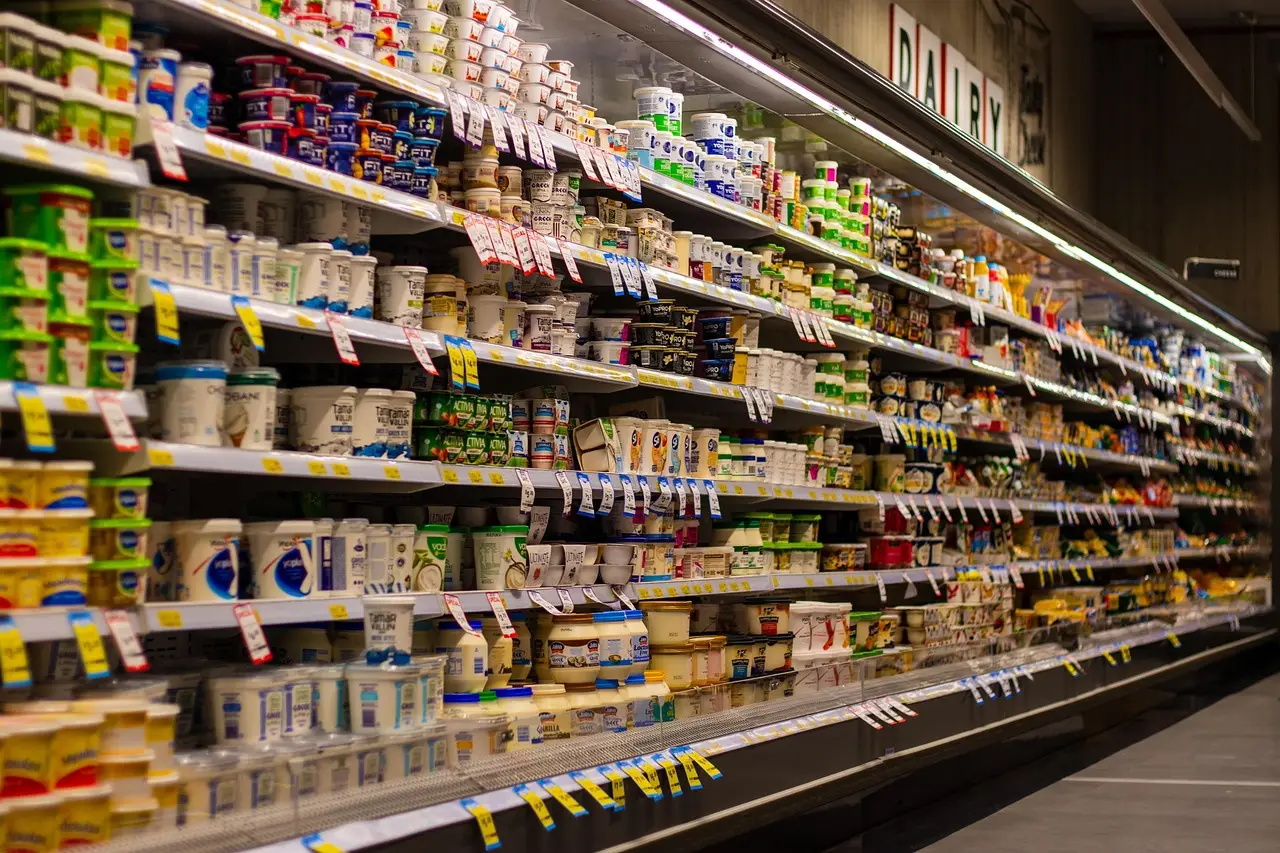
Laptops in Germany cost almost 15 percent more in October 2026 than a year earlier. The Federal Statistical Office (Destatis), Germany's national statistics authority, attributes the increase largely to the memory demands of the artificial-intelligence industry.
Desktop PCs rose by more than 13 percent in the same period. Hard drives climbed 40.8 percent. Memory cards, USB sticks and similar storage media became 22.1 percent more expensive. Overall consumer inflation stood at 2.8 percent.
What is driving the price surge?
Destatis said in its statement: "One reason for this is the increased demand for storage capacity for AI data centers, which is also reflected in the development of consumer prices for storage media." The claim is directional, not fully quantified. The agency names demand from AI computing as one driver. It does not state how much of the price increase that demand explains, or which other factors contributed.
The gap between category-level inflation is the tell. Storage media outpaced overall inflation by a factor of nearly fifteen. Consumer electronics without significant memory content tell a different story, detailed below.
Other digital devices also rose in price. Game consoles cost 13 percent more. Mobile phones without a contract increased by more than 12 percent. Smartwatches, fitness trackers and similar wearables rose by around 6 percent. E-book readers remained almost unchanged, a detail consistent with the storage-price thesis only in part, since readers do carry memory chips but saw no comparable increase.
Were computers not getting cheaper for years?
Yes, and Destatis says so explicitly. The recent increases follow substantial price declines in prior years. In 2025, desktop PCs were more than 16 percent cheaper than in 2020. Laptops were around 9 percent cheaper over the same span. Contract-free mobile phones fell 11.7 percent, game consoles 4.2 percent, and wearables 3.3 percent relative to 2020.
Destatis stated: "These price reductions resulted primarily from the reduction of overproduction that had built up during the Covid-19 pandemic." The pandemic-era oversupply, in other words, suppressed prices for roughly five years. That cushion is now spent. The current increases partly represent a correction, though the magnitude of the storage-driven component suggests more than a return to trend.
Which electronics got cheaper?
Consumer-electronics categories without heavy memory dependence moved the other way. Televisions cost 9.2 percent less in October than a year earlier. Cameras fell 2.5 percent.
Household appliances showed a similar pattern:
- Dishwashers: down 7 percent
- Fully automatic coffee machines and espresso machines: down 5.4 percent
- Washing machines: down more than 4 percent
- Toasters and grills: down 1.5 percent
The divergence is stark. A consumer replacing a dishwasher pays less than a year ago. A consumer buying a laptop or a hard drive pays sharply more. The dividing line runs through memory content, which supports the AI-demand explanation, at least as far as it goes.
What does this mean for buyers?
The timing for a PC upgrade is poor. Storage prices are rising steeply, and the source reporting notes that key PC components have at times quadrupled in cost. Buyers who can defer a purchase face an unattractive market; buyers who cannot will absorb the premium.
One caveat belongs here. Destatis reports price movements, not causes, with full certainty. The agency links AI data-center demand to storage prices, and the category pattern supports the link. But the agency's own wording names AI demand as one reason among possible others. Whether memory prices stabilize, continue rising, or correct depends on AI infrastructure buildout, which no consumer-price statistic can forecast.
via spiegel.de/schlagzeilen/tops/index.rss (Source)
More from Priya Raman
Show full bio
Correspondent covering money, funding and market shifts around hardware layer of artificial intelligence at Die Signal.
744 articles