Test report · tested November 23, 2026
Memory & StorageDevice under test
Flagship Phone Prices Set to Jump 30%+ as Memory Hits 43% of Cost
Counterpoint Research expects premium flagship smartphones to rise over 30% by end-2026 as memory climbs from 13% to 43% of the bill of materials, pushing most brands past ₹1 lakh.
- Read
- 4 min
- Words
- 824
- Segment
- Memory & Storage
- Operator
- Elena Vasquez
Spec summary
- Counterpoint forecasts premium flagship prices up more than 30% by end-2026 versus 2025
- Memory share of smartphone BOM rises from 13% in Q1 2025 to an expected 43% by end-2026
- Budget phones are hit harder: memory is now 54% of their parts bill, up from 20% a year earlier
- Research Director Tarun Pathak blames DRAM and NAND costs driven by AI data-centre demand
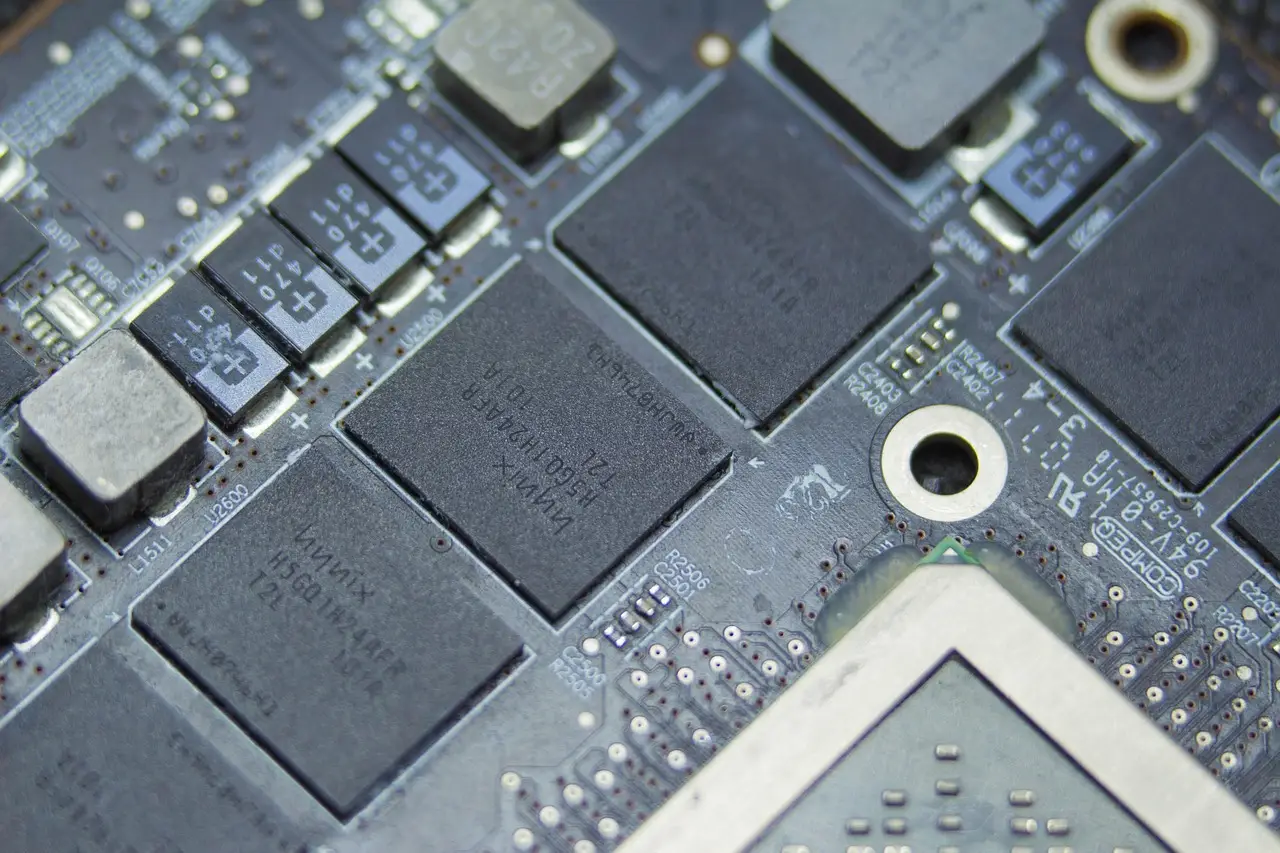
Premium flagship smartphones will cost more than 30% extra by the end of 2026 compared with 2025, according to Counterpoint Research, and the firm blames one component: memory. Most brands, the report says, will end up selling these devices above ₹1 lakh (₹100,000) per unit.
The forecast landed this week and spread quickly across business outlets in India and Korea. It fits a pattern the industry has tracked for months, from falling Indian shipments tied to memory costs to handheld consoles waiting on component supply. This time, a named analyst has put a number on the premium end.
What did Counterpoint actually say?
The core claim is narrow. Prices rise more than 30% by end-2026 versus 2025, and the typical price across most brands passes ₹1 lakh. Research Director Tarun Pathak linked the increase to rising DRAM and NAND prices, tied to demand from AI data centres. That pressure, he said, has pushed manufacturers to reassess specifications, components and product strategies as they try to control costs.
ETBrandEquity, The Hindu BusinessLine and the Free Press Journal all carried the story. One accuracy note: some headlines round the figure down to a flat 30%, but the underlying report says more than 30%.
How does the memory math work?
The sharpest number in the report isn't the sticker price — it's the bill of materials. Memory accounted for roughly 13% of the smartphone BOM in Q1 2025. Counterpoint puts that share above 40% now and expects it to reach 43% of total phone cost by end-2026. A move from 13% to 43% in under two years is extreme for a single component category.
Simple arithmetic shows the scale. If every non-memory part cost the same in 2026 as in early 2025, a 43% memory share implies a total BOM about 1.53 times the old one, with memory costing roughly five times what it did. That's back-of-envelope illustration, not a Counterpoint figure, but it explains why a 30% retail increase is plausible — a 53% BOM jump doesn't need to pass through one-for-one to the shelf.
Why are DRAM and NAND climbing?
AI data centres need enormous amounts of memory and pay well for it. That demand pulls DRAM and NAND production toward server products and away from lower-margin consumer parts. Phone makers feel it first because they buy in huge volumes on short planning cycles.
TrendForce data shows HBM already taking 23% of DRAM wafers, nearing 30% by 2027 — every wafer that goes to HBM doesn't go into a phone. On the NAND side, data centres buy flash for training data and inference caches in large, predictable orders, so a maker wanting 256GB or 512GB in a flagship now competes with those buyers.
What about budget phones?
Premium buyers get the headlines, but cheaper phones carry a heavier burden. Seoul Economic Daily reported on November 12 that memory costs now equal 54% of a budget smartphone's parts bill; Counterpoint data cited by MLQ.ai put the figure at 20% a year earlier. A cheap phone has a small BOM, so memory takes a bigger slice.
Korean outlets tracked the Samsung angle. An Edaily headline on November 16 said memory prices have soared 263% this year and that the cost burden for Samsung smartphones has reached a critical level. Chosun Biz added on November 23 that rising memory costs push up budget phone prices and squeeze production.
What's confirmed and what isn't?
- Confirmed as forecasts: the 30%+ rise, the ₹1 lakh threshold, the 13%-to-43% BOM shift, and the AI data-centre cause as Counterpoint's view.
- Not confirmed: exact 30% (report says more than), specific models, brands, new retail prices, or RAM/storage specs of affected phones.
Counterpoint is projecting, not setting price tags. A forecast can miss, especially when memory contract prices move quickly. Its own follow-up page title — asking what consumers will expect from ₹1 lakh-plus smartphones in 2027 — signals the firm believes the new price band sticks.
Who gains and who pays?
Memory suppliers collect more per chip. Phone makers pass costs on or absorb them. Retailers see average selling prices rise even as volume may fall. And a buyer facing a 30% jump has a clear alternative: keep the current phone another year, which lengthens replacement cycles and cuts unit sales.
Revenue could still climb if prices jump faster than volumes slip — an outcome favoring brands with loyal customers and strong ecosystems over challengers who win on aggressive pricing. The pattern extends beyond phones: PC RAM contracts rose 13% to 18% in Q4, and the Steam Deck 2 roadmap has bent around component supply.
Three signals will show whether the forecast holds: named price changes from major brands (none confirmed yet), memory contract price reports, and shipment data in price-sensitive markets like India, where sales already fell 22% as festive discounts shrank.
via shattered.io (Source)
More from Elena Vasquez
Show full bio
Senior reporter covering people, launches and day-to-day practice in hardware layer of artificial intelligence at Die Signal.
757 articles
Same lot
- DRAM Revenue Hits Nearly $200B in Q3 2026, Up 369% Year Over Year
- Ex-Samsung Chip Executive: China DRAM Push Could End 414% DDR5 Price Spike
- India Smartphone Shipments Fall 20% in Q3 2026 as Memory Costs Rise
- Apple's memory bill climbs $33 billion as RAM prices surge into 2027
- Samsung Commits 70% of Memory Capacity Through 2031