Test report DSG-5957 · Rev F · tested October 16, 2026
AI Datacenter InfrastructureDevice under test
Server Prices Rise Up to Fourfold as AI Demand Strains Memory Supply
Server prices have risen up to fourfold as AI demand squeezes memory supply, redirecting production capacity and raising data-center hardware costs.
- Read
- 3 min
- Words
- 510
- Node
- 28nm
- Operator
- Marcus Bennett
Spec summary
- Server prices have surged up to four times their previous level.
- AI demand is squeezing memory supply, driving the price increase.
- Businesskorea first reported the fourfold server price surge.
- Memory production capacity has been redirected toward AI workloads.
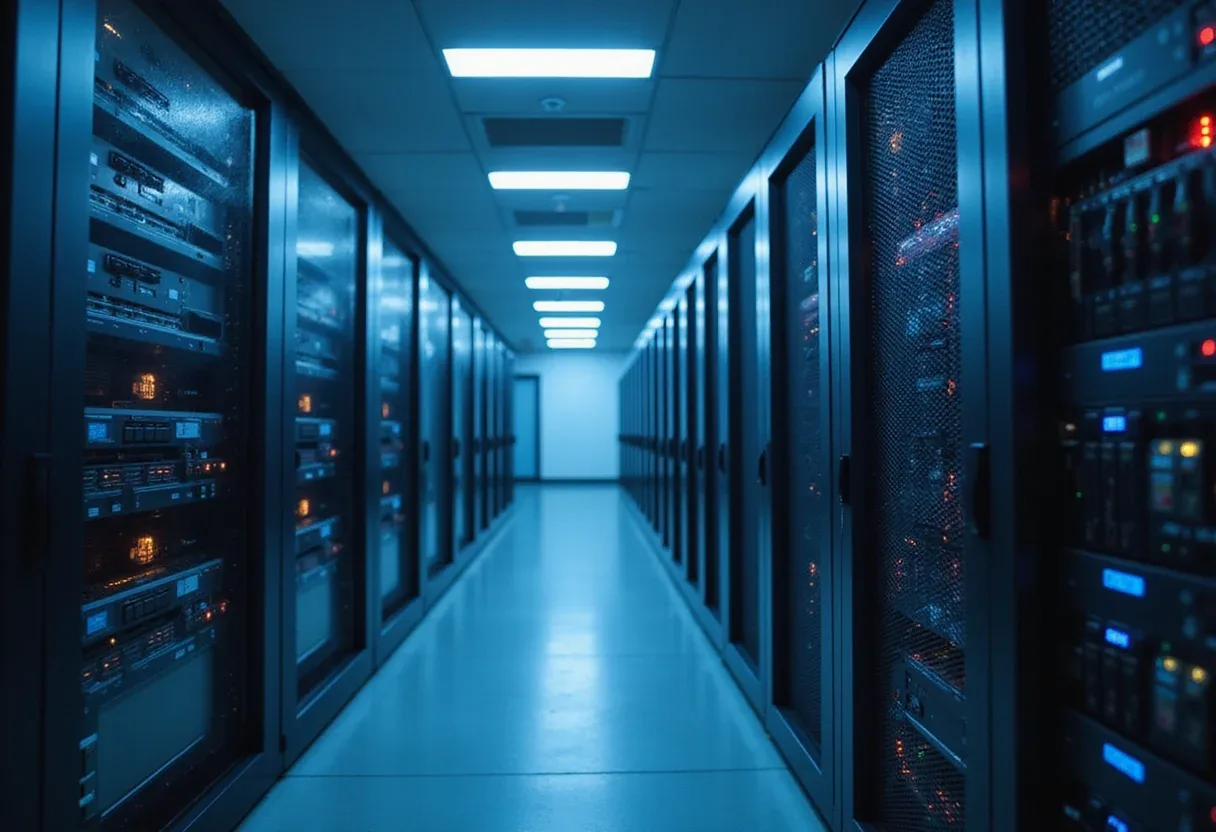
Server prices have surged by as much as four times their previous level, according to a report by Businesskorea. The cause is a squeeze on memory supply. Demand from artificial intelligence workloads is absorbing memory production capacity, and server buyers are paying the difference.
The figure is stark. A fourfold price increase on a core data-center component does not stay contained in a procurement line item. It spreads into contract renewals, hardware refresh cycles and the cost of building AI infrastructure itself.
What is driving the shortage?
The mechanism is straightforward. AI systems consume large volumes of high-bandwidth memory. Manufacturers have shifted production toward these components to serve AI customers. That shift leaves less capacity for the conventional memory used in standard servers.
Supply has not collapsed. It has been redirected. And the servers that enterprises buy for ordinary computing workloads now compete for the same memory supply that AI builders are contracting in volume.
The result is a seller's market for memory, and server assemblers pass those costs to their customers.
What does this change for buyers?
The practical question for any organization buying servers this year: what does a fourfold price increase do to a hardware budget?
First, it delays refreshes. Servers that a company planned to replace may stay in service longer because replacements cost multiples of the planned figure.
Second, it reshuffles procurement priorities. Buyers who need AI-adjacent performance pay the premium. Buyers who do not may defer purchases or extend existing equipment lifecycles.
Third, it raises the total cost of AI projects. AI does not only need accelerators. It needs memory and the servers that hold it. Rising server prices add to the bill at the infrastructure layer, below the headline cost of chips.
How far does the impact reach?
The server is the base unit of data-center economics. When its price multiplies, the effect moves outward through the chain:
- Data-center operators face higher capital costs per rack.
- Cloud providers may adjust pricing as hardware costs climb.
- Enterprises planning AI pilots see infrastructure budgets stretch.
- Smaller buyers risk being priced out of near-term purchases.
The memory market has cycled between shortage and glut before. What marks this episode is the demand side. AI workloads do not behave like traditional enterprise demand, which grows steadily with business activity. AI demand scales with model training and deployment, and it concentrates among a small number of large buyers.
What happens next?
Pricing ultimately depends on supply response. Memory manufacturers can add capacity, but new fabrication lines take time and capital. In the near term, supply is relatively fixed.
That leaves buyers with limited options. They can lock in contracts early, accept higher prices, or delay purchases and hope the cycle turns. Each option carries cost or risk.
For now, the number in the market is the one Businesskorea reported: up to four times the previous price. Until memory supply loosens, server buyers should plan for hardware budgets that look very different from last year's.
Reported by Marcus Bennett, Die Signal
via Google News: DRAM chip (Source)
More from Marcus Bennett
Show full bio
News editor covering regulation, policy and their impact on hardware layer of artificial intelligence at Die Signal.
423 articles
Same lot · LOT-C1CC
- DSG-200945nmDDR5 Prices Tripled as AI Demand Consumed DRAM Supply
- DSG-588628nmIntel CPU Prices Rise 30% as AI Demand Absorbs Memory Output
- DSG-356914nmAI Memory Supply Is Sold Out, Triggering Unprecedented Price Surge
- DSG-112228nmSamsung Forecasts Record $80 Billion Quarterly Profit on AI Chip Demand
- DSG-555310nmAI Server Demand Drives DDR5 Module Prices Up Fivefold in 10 Months