Test report DSG-1725 · Rev D · tested November 12, 2026
Supply Chain & PolicyDevice under test
Yttrium Trades at $1,087/kg, Ninefold Higher, as Japan Shops for Supply
Yttrium hit $1,087/kg in September, nine times last year's price and 174 times end-2024, as Japan turns to Korea and the U.S. — suppliers still tied to China.
- Read
- 3 min
- Words
- 635
- Node
- 3nm
- Operator
- Amara Osei
Spec summary
- Yttrium traded at $1,087/kg in Europe in September, nine times a year earlier and 174 times the end-2024 price.
- Japan imported 294 tons of yttrium oxide in the first nine months of 2025, down 70% year on year.
- China supplied 89.4% of Korea's rare earth raw material imports in the first nine months of 2025.
- Shin-Etsu Chemical is spending over 35 billion yen on a Fukui plant to refine 16 rare earth elements.
- China restricted seven rare earth elements in April 2024 and tightened Japan-bound dual-use controls in January 2025.
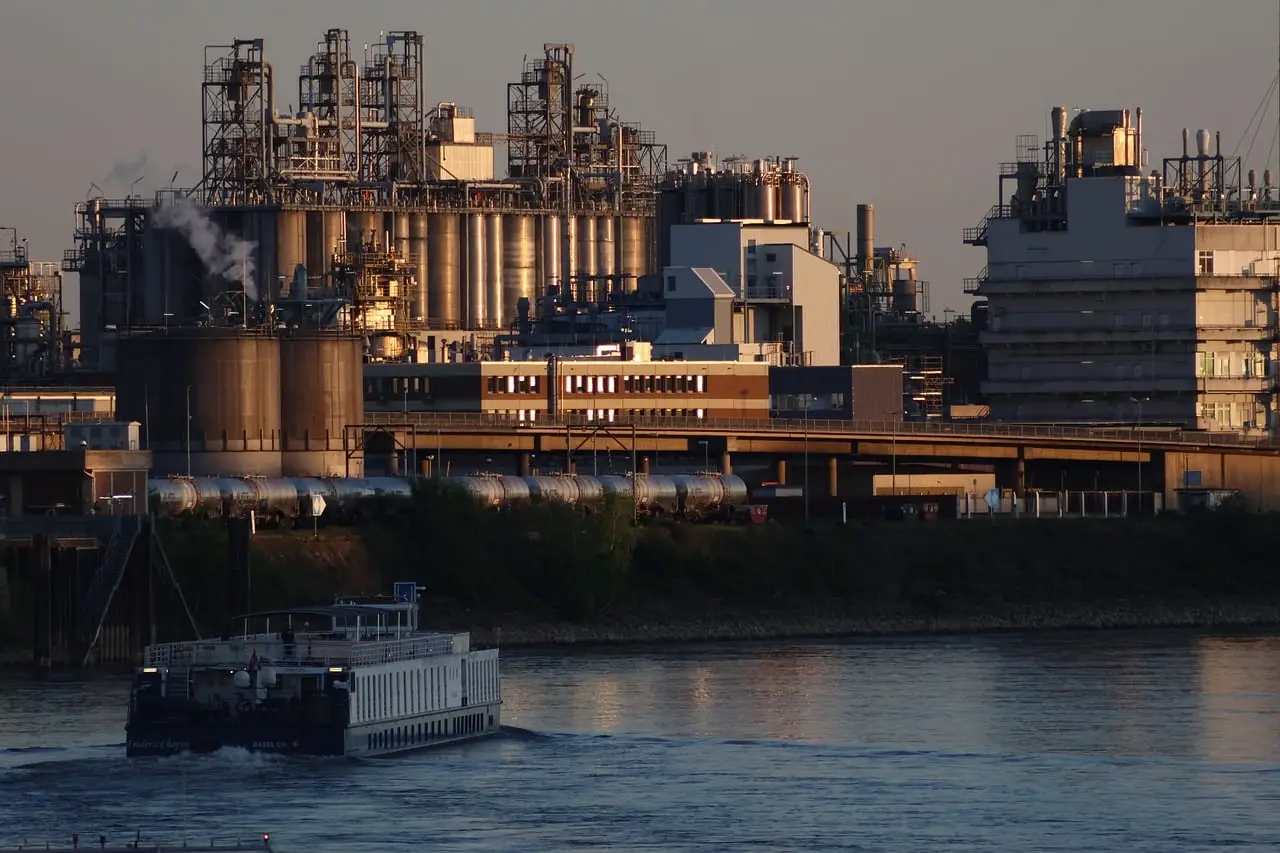
Yttrium changed hands at $1,087 per kilogram on the European market in September — nine times the price a year earlier and 174 times the level at the end of 2024. Data compiled by Argus Media and reported by the Nikkei on the 12th show what China's export controls have done to one heavy rare earth element that semiconductor equipment makers and aircraft engine manufacturers cannot substitute quickly. Inside China, the same metal trades at less than one-hundredth of the European price; the markup appears once the material leaves the country.
Japan's Ministry of Finance trade data quantify the squeeze. Imports of yttrium oxide totaled 294 tons in the first nine months of this year, down 70% year on year, while the September unit price ran 64 times the year-earlier level. Tokyo is now pushing imports from South Korea and the United States to replace Chinese volumes.
What changed in Beijing's export regime?
China restricted exports of seven rare earth elements, including yttrium and dysprosium, in April last year. In January this year it tightened controls further on dual-use items bound for Japan, after a chill in bilateral relations that followed Prime Minister Sanae Takaichi's remarks on a potential Taiwan contingency.
Japan has responded on two tracks. It activated a critical minerals supply coordination framework with the U.S. to raise American imports, and it widened its sourcing network to Korea, Germany, Turkey and Estonia.
Domestic capacity is being built, but slowly. Shin-Etsu Chemical is spending more than 35 billion yen on a facility in Fukui Prefecture able to refine 16 rare earth elements, including yttrium. Mitsui Mining & Smelting, which processes materials for semiconductor equipment, has been unable to secure sufficient raw materials. Kioxia and aircraft engine parts maker IHI report no production impact so far. In short: prices and shortages have arrived; factory-line damage has not — yet.
Is Korea actually a supplier?
Korea does not mine yttrium. No commercial yttrium mine operates in the country, and Korea's own supply chain runs through China. The Korea Customs Service counted China at 89.4% of Korea's rare earth raw material imports, including yttrium, in the first nine months of 2025. The Korea International Trade Association put Korea's reliance on Chinese imports last year at 99.3% for rare earth permanent magnets and 80% by weight for rare earth metals.
Japan's increased imports from Korea therefore appear to reflect the country of shipment, not the origin of the mineral. Korean company inventories, materials processed in Korea or third-country volumes brokered through Korea may have moved to Japan; the Nikkei did not disclose the items or volumes involved. The numbers describe a logistics reroute, not new mine supply.
Does the raw-material block deepen Japan's dependence?
Some analysts say yes, because China still exports finished goods containing rare earths — electric-vehicle motors and magnets — while restricting raw materials. The Dai-ichi Life Research Institute said it views the approach as a strategy to increase foreign companies' reliance on China, and warned that Chinese firms could take over the position of small and midsize Japanese parts suppliers. Beijing blocks the input and keeps selling the output.
Diplomacy offers little near-term relief. Kyodo News reported that a formal meeting between Takaichi and Chinese President Xi Jinping is unlikely at the Asia-Pacific Economic Cooperation summit in Shenzhen on the 18th and 19th.
For Korea, the exposure is direct. Korea buys 89.4% of its rare earth raw materials from the same supplier Japan is trying to escape, and observers note that Japan's price shock is a preview of what Korea faces if Beijing widens its curbs. A ninefold price move in twelve months is what concentrated supply does when the tap is turned.
via en.sedaily.com (Source)
More from Amara Osei
Show full bio
Staff writer covering money, funding and market shifts around hardware layer of artificial intelligence at Die Signal.
593 articles
Same lot · LOT-3628
- DSG-954128nmTSMC weighs rare-earth-free factory motors amid export risk
- DSG-692214nmChina Imposes New Export Controls on Rare Earth and Battery Materials
- DSG-486110nmSouth Korea Nears $1 Trillion Export Year on Chip Sales
- DSG-308420nmYMTC Weighs Fourth Wuhan Fab for 300+ Layer NAND from 2027
- DSG-143510nmChina weighs tighter export controls on domestic AI and chip technology