Test report · tested November 19, 2026
Supply Chain & PolicyDevice under test
Yongin Mayor Asks Seoul for 190,000 Homes, New Rail for Chip Cluster
Yongin's mayor handed PM Han Seong-sook eight requests: 190,000-plus homes for 400,000 chip-cluster newcomers, three new rail lines, road capacity and 100,000 more cubic meters of daily water.
- Read
- 4 min
- Words
- 709
- Segment
- Supply Chain & Policy
- Operator
- Grace Kim
Spec summary
- Yongin expects 400,000+ new residents from a 3.6-million-pyeong semiconductor cluster; estimated housing need exceeds 190,000 units, but the planned Idong-eup district supplies about 20,000.
- Mayor Lee Sang-il submitted eight requests to PM Han Seong-sook at a Sept. 18 dinner with 24 Gyeonggi mayors.
- The Gyeonggi Southern Metropolitan Railway posted a benefit-cost ratio of 1.2; Lee wants it in the fifth national railway network plan.
- Yongin holds 445,000 cubic meters of daily water capacity and seeks an additional 100,000 cubic meters per day.
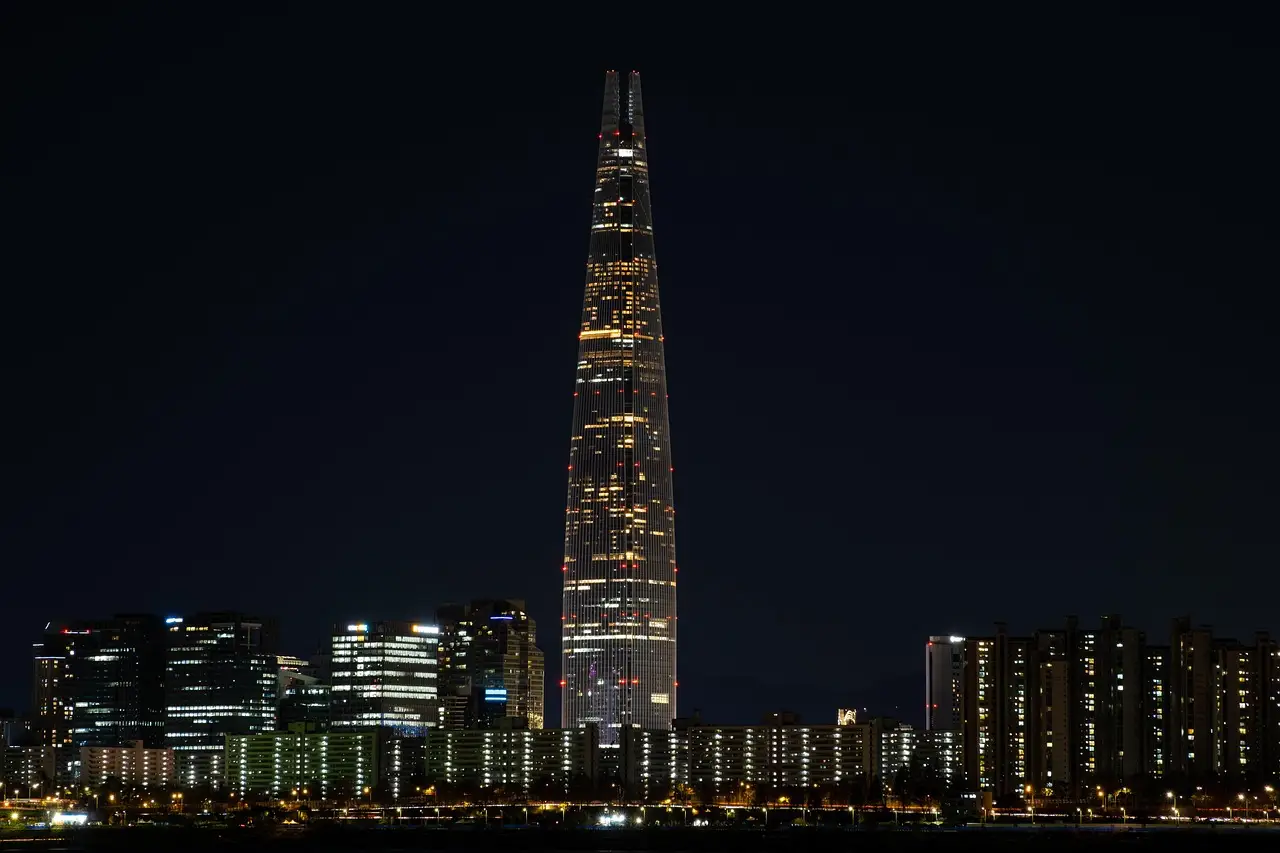
Yongin needs more than 190,000 new homes to absorb over 400,000 incoming residents tied to the world's largest semiconductor cluster under construction — and its current public housing plan covers roughly a tenth of that. Mayor Lee Sang-il delivered that gap to Prime Minister Han Seong-sook on Thursday evening, submitting eight formal requests at a Seoul dinner meeting on housing supply.
The meeting, held in Jongno District, gathered mayors from 24 Gyeonggi Province cities including Yongin, Suwon, Hwaseong, Icheon and Anseong. The government sent Kim Yi-tak, first vice minister of land, infrastructure and transport, and Shin Jin-chang, vice chairman of the Financial Services Commission.
"Yongin is home to the world's largest semiconductor cluster under construction, spanning about 3.6 million pyeong (roughly 11.9 square kilometers) and including a Samsung Electronics national industrial complex and an SK hynix general industrial complex," Lee said.
What does the housing shortfall change?
The numbers don't close. The public housing district planned in Idong-eup, Cheoin District — designated as the cluster's residential support area — is set to supply only about 20,000 units against an estimated need exceeding 190,000.
Lee warned that missing delivery timelines could trigger a housing shortage across the southern Seoul metropolitan area and put pressure on price-stabilization efforts. He asked the government to designate additional large-scale, government-led residential support districts and to shorten the Idong-eup development timeline, arguing that delays in the semiconductor-focused new town would leave the city unable to keep pace with companies moving into the complexes.
"To disperse housing demand from Seoul, new towns should be built in areas such as Yongin, where jobs are growing and development demand is concentrated," Lee said. "That would not only expand housing supply but also strengthen the competitiveness of the semiconductor cluster."
He also proposed regulatory changes: broaden the range of cases where private developers can pay fees for public facilities instead of building infrastructure themselves, and ease the requirement to draw up district unit plans (fine-grained zoning blueprints) for residential zones inside nature conservation areas.
Which rail and road projects did he ask for?
Transport was the second pillar of the eight requests. With industrial complexes rising in southern Yongin, housing demand and traffic volumes climb together, Lee said. His asks:
- A bypass replacing National Route 42, tied to the widening of National Route 45 — a project already exempted from preliminary feasibility study.
- Inclusion of three lines in the fifth national railway network plan: the Gyeonggi Southern Metropolitan Railway, an extension of the Gyeonggang Line, and the Gyeonggi Southern East-West Line.
- Fast-tracking the Bundang Line extension from Giheung Station to Dongtan 2 and Osandae Station, already in the fourth plan, to support chip-industry infrastructure and ease congestion around Bora-dong.
The Gyeonggi Southern Metropolitan Railway, Lee noted, serves four southern Gyeonggi cities — Yongin, Seongnam, Suwon and Hwaseong. "Its benefit-cost ratio came out at 1.2, confirming its economic feasibility," he said. The Gyeonggang Line extension would improve access to the national semiconductor complex and the Idong-eup housing district. The East-West Line would link Dongtan in Hwaseong, Yongin's complexes and SK hynix's Bubal headquarters in Icheon.
On the Yongin Platform City project, Lee asked that an interchange on the planned underground Gyeongbu Expressway be built as originally designed. "Combined with a GTX transfer center, it could be developed into an excellent residential area that brings together transportation and culture," he said.
Water and approval authority
Two further requests targeted administration and utilities. Lee asked that mayors of special-status cities — not the provincial governor — be allowed to approve basic renovation plans for aging planned cities, a change he says would shorten the process. On water, he said Yongin's current supply capacity of about 445,000 cubic meters per day falls short; the city estimates it must secure an additional 100,000 cubic meters daily to prepare for population growth driven by the complexes and related development.
"For Yongin to grow into the center of South Korea's semiconductor industry, housing, transportation and living infrastructure must be in place at the right time," Lee said. "I ask for the government's active attention and support."
via en.sedaily.com (Source)
More from Grace Kim
Show full bio
Market editor covering regulation, policy and their impact on hardware layer of artificial intelligence at Die Signal.
753 articles