Test report · tested November 26, 2026
Supply Chain & PolicyDevice under test
USTR Report Targets Samsung and SK hynix Over 73% DRAM Grip
A 194-page USTR report says two Korean firms hold 73% of global DRAM and 51% of NAND, and warns of revenue and supply-chain shocks to justify pushing U.S. plants.
- Read
- 3 min
- Words
- 686
- Segment
- Supply Chain & Policy
- Operator
- Elena Vasquez
Spec summary
- USTR says two Korean firms hold 73% of global DRAM and 51% of NAND flash
- 194-page Section 301 report released on the 25th; semiconductors spared from immediate tariffs
- USTR projects SK hynix revenue falls 45% in 2028 as memory prices peak next year
- SK hynix in talks for up to $100 billion investment in New York NAND plants
- Hyundai Motor Group plans to add 450,000 units of annual capacity over five years
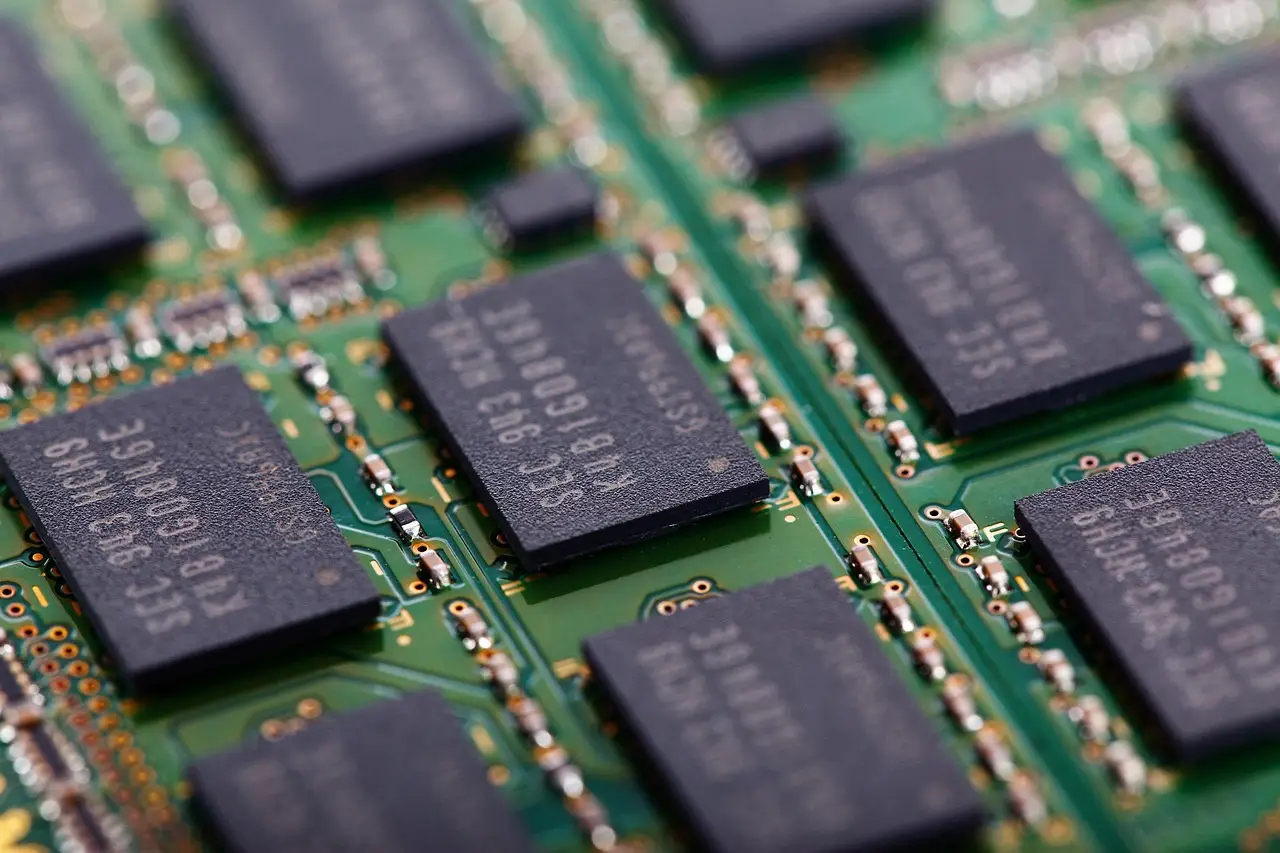
Two Korean companies — Samsung Electronics and SK hynix — hold 73% of the global DRAM market and 51% of NAND flash. That's the number at the heart of a 194-page USTR report released on the 25th, and it's the fulcrum Washington now plans to lean on.
The Office of the U.S. Trade Representative released findings from its Section 301 overcapacity probe, and the outcome surprised diplomats who had expected little more than a formality. USTR runs on roughly 220 staff — a fraction of the 83,000 at Treasury and 41,000 at Commerce — and many in Washington assumed the probe existed mainly to justify reciprocal tariff rates that courts had voided. Instead, the report listed one Korean government policy after another across semiconductors, autos and petrochemicals, and called each one a problem.
What does the report actually say?
The core argument reads bluntly: a small number of Korean companies control the global memory market, memory demand is expected to turn down, and the Korean government is still backing the industry at full tilt — to the detriment of the U.S. economy.
The specifics go further. The USTR projected that memory prices will peak next year and that SK hynix's revenue will fall 45% in 2028. It also named Chinese government-backed memory makers, CXMT and YMTC, as companies that will deepen the overcapacity problem. The report argued that Korea's unilateral capacity push erodes opportunities for U.S. firms and heightens supply chain vulnerability, warning that when production capacity concentrates in one country, a shock there raises the risk of damage to the United States.
That last line matters for practitioners. It feeds directly into the argument for slowing the Honam chip cluster and pushing new semiconductor plants onto American soil. The report even named specific companies and locations — unusual detail for a trade document.
Why no semiconductor tariff — yet?
Semiconductors were classified as a separately managed category under Section 301, the legal basis for the overcapacity tariffs, which spares the sector from an immediate burden. But the USTR clearly treats Korea's chip expansion as market-distorting behavior. With no obvious lever to pull Korean memory investment toward the United States, the overcapacity tariffs look designed to push the companies into building plants on American soil.
Industry officials expect Washington to press both firms for front-end memory plants in the U.S. And the pressure doesn't require new tariffs — the government could simply scale back the 35% tax credit on the plants the two companies are already building in the country.
Which projects are in the crosshairs?
SK hynix is building a back-end plant in Indiana and is in talks on a plan to invest up to $100 billion — about 130 trillion won — in New York over the long term for two NAND flash plants. Some expect the U.S. to ask SK hynix to produce DRAM at Intel's plant in New Albany, Ohio, where construction has stalled over funding problems. Samsung, already building a second foundry plant in Taylor, Texas, could be saddled with front-end investment in DRAM and other products. Others predict Washington will restrict shipments of new chipmaking equipment to plants in Dalian, China, and other key production bases for Korean chipmakers.
Kim Tae-hwang, professor of international trade at Myongji University, said Korea has to play offense and defense at once in the negotiations. "Beyond strategic investment projects, there are things we need to win, including shipbuilding cooperation, nuclear-powered submarines and spent nuclear fuel processing," he said.
What about autos and petrochemicals?
The USTR flagged overcapacity in those sectors too. On autos, the report said Korea keeps expanding capacity even as domestic demand falls, and that Hyundai Motor Group plans to add 450,000 units of annual capacity over the next five years. It also criticized Korea for distorting competition by failing to address — or even encouraging — imports and foreign direct investment from China and elsewhere.
For chip and auto executives watching Washington, the message is structural: concentration itself is now the complaint, and local production is the price of relief.
via en.sedaily.com (Source)
More from Elena Vasquez
Show full bio
Senior reporter covering people, launches and day-to-day practice in hardware layer of artificial intelligence at Die Signal.
814 articles
Same lot
- USTR Threatens 25% Tariff Over Samsung, SK hynix Memory Dominance
- China Narrows the Gap with Korean Chipmakers in NAND and DRAM
- US Trails in Memory Chips as Tariff Plans Raise New Risks
- USTR Targets Korea's K-Semiconductor Belt, Keeps 25% Chip Tariff in Reserve
- USTR Slaps 25% Tariff Ceiling on Korea Over Memory Chip Overcapacity