Test report DSG-4045 · Rev F · tested September 29, 2026
Memory & StorageDevice under test
US Trails in Memory Chips as Tariff Plans Raise New Risks
Tovima.com reports the US lacks competitive memory chip capacity and warns pending tariff measures could deepen the gap rather than close it.
- Read
- 2 min
- Words
- 340
- Node
- 14nm
- Operator
- Grace Kim
Spec summary
- Tovima.com states the United States is behind in memory chip manufacturing.
- The report warns tariff policy threatens to worsen the US memory-chip position.
- Only the headline of the source was available; full report text pending.
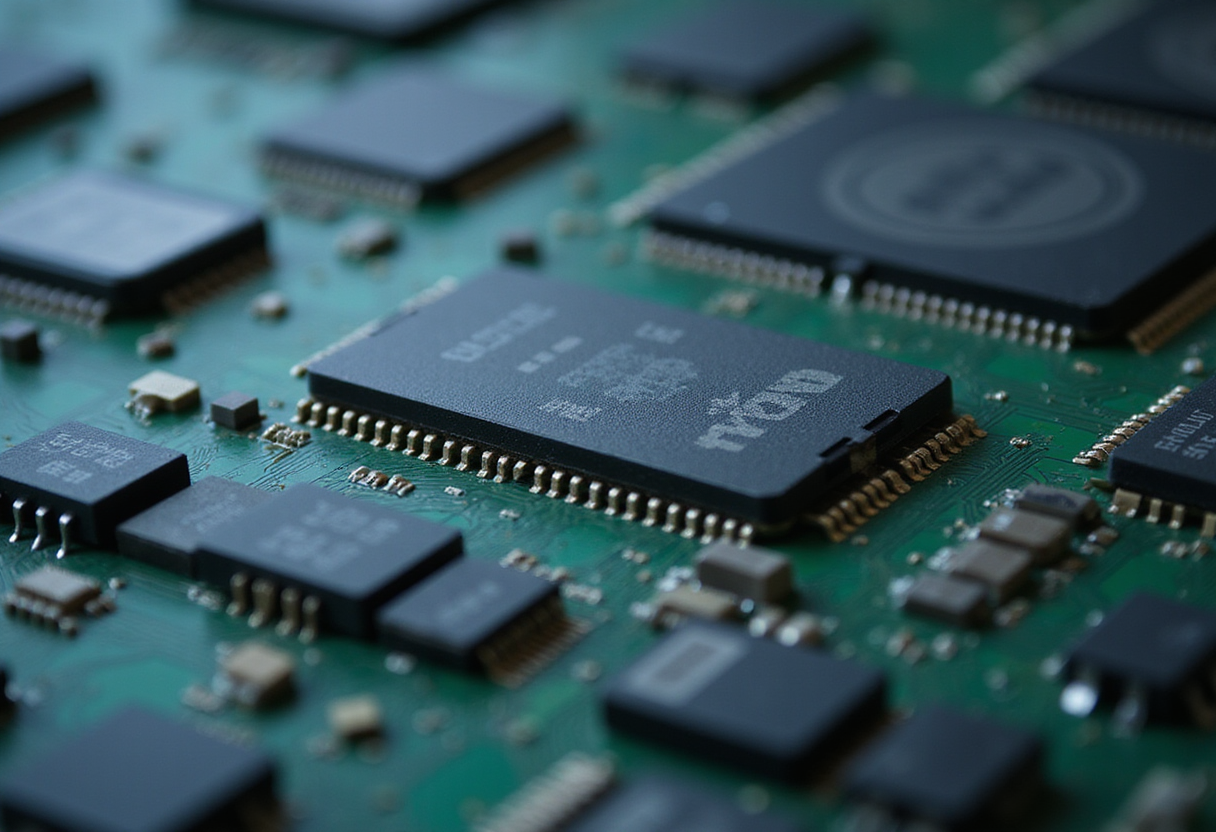
A report published by tovima.com carries a blunt assessment of the United States' position in the memory semiconductor segment: America is behind on memory chips, and the tariff agenda now advancing in Washington threatens to make things harder.
The headline itself is the substantive claim. The article asserts two things: first, that the United States currently lacks a competitive standing in memory chip manufacturing; second, that tariff policy under consideration stands to worsen rather than remedy that position.
Memory chips — the DRAM and NAND flash products that anchor computing, mobile, and storage markets — have for decades been produced predominantly by manufacturers based in South Korea and Japan, with Samsung, SK Hynix, and Micron commanding the bulk of global capacity. Micron, the one major American-headquartered producer, operates most of its fabrication outside US borders.
The tovima.com report enters a policy debate that has intensified since Washington began applying tariff measures broadly across imported goods and semiconductor-related inputs. Proponents of tariffs argue they incentivize domestic production; critics, including many semiconductor industry analysts, counter that memory manufacturing requires multi-year capital commitments running into the tens of billions of dollars per fab, and that tariff-driven cost increases on imported components and equipment arrive far faster than any new domestic capacity can.
The piece's framing aligns with a wider body of reporting on the structural gap between US intentions and US capability in memory. Logic-chip fabrication has attracted the largest share of recent US construction announcements, while memory has drawn comparatively little committed investment on American soil.
Die Signal could not independently verify the full text of the tovima.com report, as the item reached this desk as a headline-and-attribution entry via an aggregated feed. The outlet's framing is nonetheless clear on its central point: the combination of an existing capability gap and tariff pressure represents a compounding problem for US semiconductor strategy.
We will update this item as the complete report text becomes available and as US tariff policy affecting semiconductor imports develops.
via Google News: HBM memory (Source)
More from Grace Kim
Same lot · LOT-C1BA
- DSG-42853nmCXMT Plans NAND Flash Entry as Global Shortage Reshapes Market
- DSG-878265nmMicron's Quarterly Revenue Quadruples Year Over Year on AI Demand
- DSG-44257nmMicron Closes Gap on SK Hynix in Global DRAM Rankings
- DSG-310310nmChina Responds to US Semiconductor Export Controls, OECD Report
- DSG-39617nmMicron Beats Estimates, Issues Strong Guidance on Memory Shortage