Test report DSG-9543 · Rev B · tested October 10, 2026
Foundries & ManufacturingDevice under test
TSMC's AI Dominance Is Creating New Opportunities for China's Foundries
TSMC's dominance in AI chip manufacturing is creating openings for China's foundries as capacity shifts toward AI customers, an industry analysis argues.
- Read
- 3 min
- Words
- 537
- Node
- 20nm
- Operator
- Priya Raman
Spec summary
- An analysis by Dr. Robert Castellano argues TSMC's AI chip dominance is creating opportunities for China's foundries.
- The analysis was published on drrobertcastellano.substack.com and syndicated via Google News.
- TSMC's capacity allocation toward AI customers is diverting resources from other market segments, the piece argues.
- Only headline-level information was available; specific figures from the original analysis could not be verified.
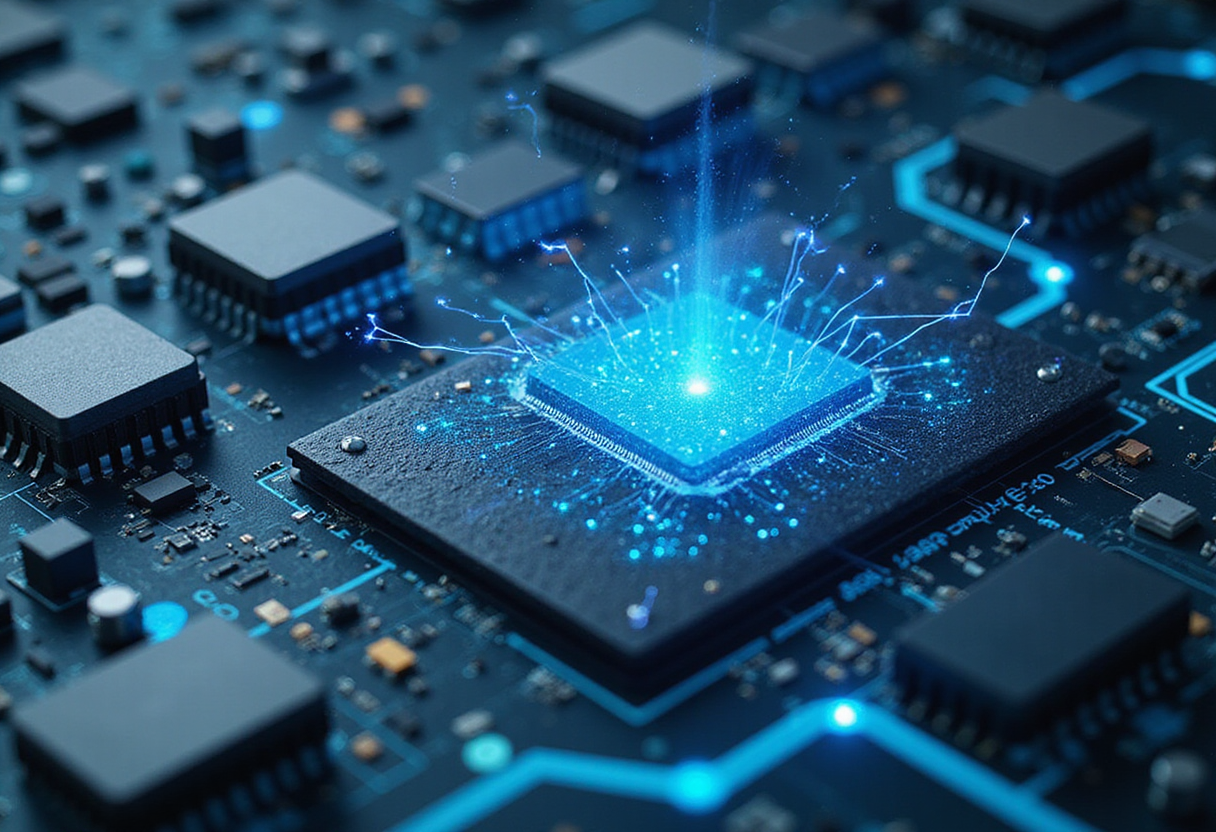
TSMC's concentration on AI chip production is creating new openings for China's foundries, according to an analysis published by Dr. Robert Castellano on his Substack platform.
The piece examines how TSMC's strategic dominance in AI-related semiconductor manufacturing — driven by demand for advanced-node chips used in artificial intelligence accelerators — affects the broader foundry market, particularly competitors in mainland China.
What opportunities open up for Chinese foundries?
As TSMC allocates increasing portions of its leading-edge capacity to AI customers, other segments of the semiconductor market face supply and pricing pressures. According to the analysis, this dynamic creates space for Chinese foundries to capture business in areas where TSMC's attention and capacity are diverted toward AI workloads.
The analysis frames this as a structural consequence of TSMC's market position rather than a deliberate strategic retreat: the company's dominance in AI chips means resources flow toward the highest-value customers, leaving room elsewhere.
Why does TSMC's AI focus matter for the wider market?
TSMC is the world's dominant contract chipmaker, and its production decisions ripple across the entire semiconductor supply chain. When the company prioritizes AI-class silicon at advanced process nodes, customers in other product categories — from consumer electronics to automotive and industrial chips — must look for alternative manufacturing partners.
Chinese foundries, which have historically operated at a technological distance from TSMC's leading edge, stand to benefit from this reallocation, the analysis argues.
What are the limits of the available information?
The source material available to Die Signal for this report consists of the article's headline and publication details only. The full analysis by Dr. Robert Castellano is hosted on his Substack newsletter, drrobertcastellano.substack.com, via Google News syndication.
Die Signal has not independently verified the specific figures, named companies, or process-node details contained in the original analysis. Readers requiring the complete argument, including any quantitative claims about market share, capacity, or revenue impact, should consult the original publication directly.
The headline itself establishes the core thesis: TSMC's AI dominance is not solely a threat to competitors but simultaneously functions as a catalyst, generating openings that China's foundries can exploit.
Who is Dr. Robert Castellano?
Dr. Robert Castellano publishes semiconductor and technology market analysis through his Substack newsletter. His work covers the chip industry, including foundry dynamics, AI semiconductor demand, and supply chain developments.
What happens next?
The competitive dynamics described in the analysis will depend on several factors that shape any foundry's ability to capitalize on diverted demand:
- Capacity availability at Chinese foundries and their ability to scale production
- Export control regimes that restrict access to advanced manufacturing equipment
- Customer willingness to shift orders away from TSMC's established ecosystem
- The durability of AI demand that drives TSMC's capacity allocation in the first place
Die Signal will continue to monitor developments in the foundry market and will update this coverage as verifiable details from the original analysis become available.
Note on sourcing: This report is based on headline-level information from a syndicated article. Specific numbers, dates, and quotations referenced in the original analysis could not be extracted from the available material, and none have been invented for this summary.
via Google News: Semiconductor foundry (Source)
More from Priya Raman
Same lot · LOT-C1C6
- DSG-989565nmTSMC Revenue Climbs Sharply on AI Hardware Demand
- DSG-467345nmTSMC Reports 45% Sales Surge Driven by AI Chip Demand
- DSG-670610nmMusk Plays Down TSMC Presence at AI Fab Facility
- DSG-774520nmGlobalFoundries to Manufacture Key AI Chip Component for TSMC
- DSG-239310nmTSMC Posts Record $46.7 Billion Q3 Revenue on AI Demand