Test report · tested November 23, 2026
Foundries & ManufacturingDevice under test
TSMC Rallies 17% as Jensen Huang's NVIDIA Return Sparks Chip Rebound
TSMC trades 17% higher at $371.62 after NVIDIA's board reinstated Jensen Huang as CEO, lifting Intel 15% and AMD 8% as chip stocks rebound from last week's sell-off.
- Read
- 3 min
- Words
- 692
- Segment
- Foundries & Manufacturing
- Operator
- Grace Kim
Spec summary
- Taiwan Semiconductor traded 17% higher at $371.62 on November 23 after NVIDIA reinstated Jensen Huang as CEO.
- NVIDIA shares hit $169.27, up 35%; Intel rose 15% to $58.94 and AMD gained 8% to $460.27.
- TSMC guided Q4 2026 revenue of $52.30–$54.30 billion.
- TSMC is still down 14% over the past month; Intel down 37%, AMD down 17%.
- PCE inflation data arrives November 25; U.S. markets close November 26 for Thanksgiving.
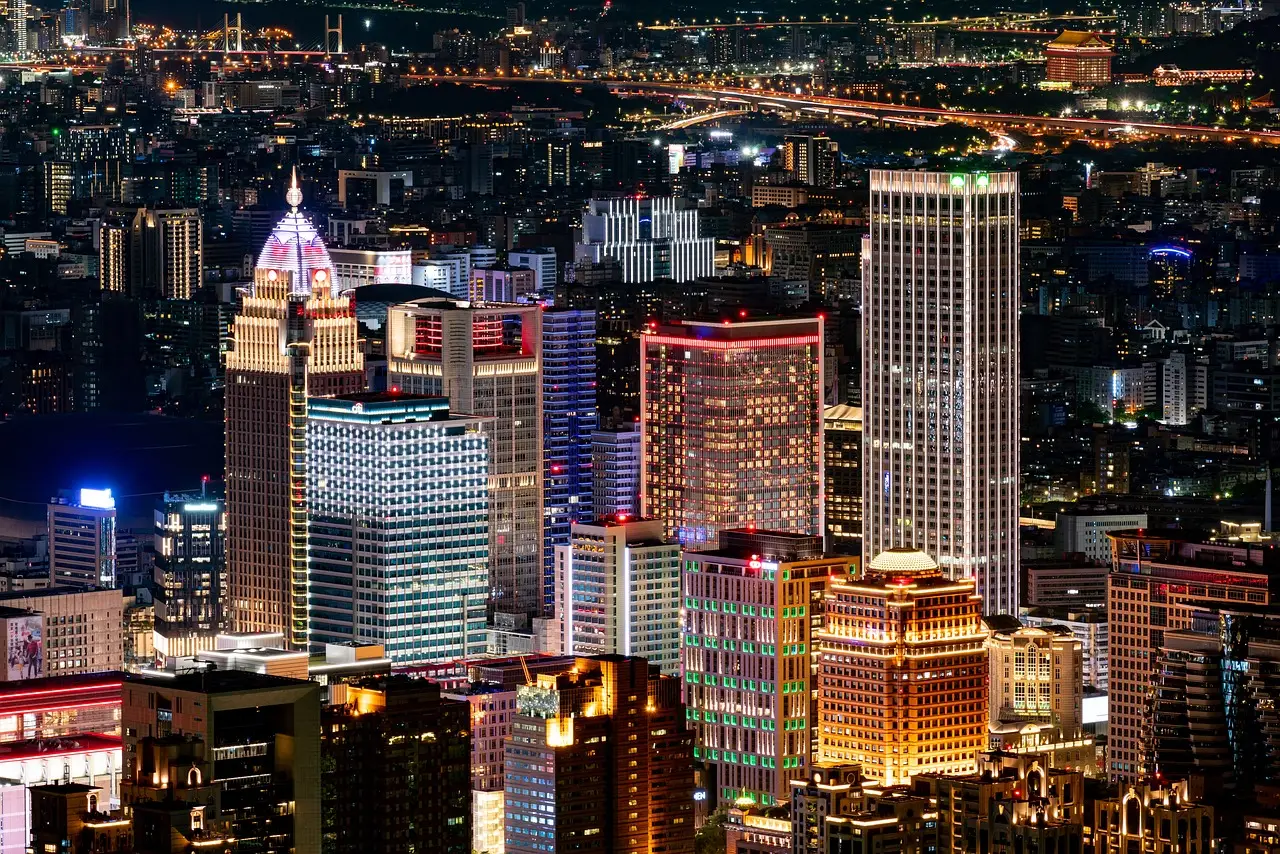
Taiwan Semiconductor Manufacturing (NYSE:TSM) traded 17% higher at $371.62 in early dealings on November 23, leading a sector-wide semiconductor rebound after NVIDIA's board reinstated founder Jensen Huang as CEO. Intel (NASDAQ:INTC) sat at $58.94, up 15%. AMD (NASDAQ:AMD) reached $460.27, up 8%. NVIDIA itself traded at $169.27, up 35%.
The leadership shake-up that had weighed on chip stocks for weeks has flipped into a lift, and NVIDIA's main manufacturing partner is getting the biggest gain among its peers. Because the foundry builds NVIDIA's Blackwell and Vera Rubin chips, the market reads stability at its biggest AI customer as good news for Taiwan Semiconductor's order book.
What did NVIDIA's board actually do?
NVIDIA announced on November 23 that Huang would return as president and CEO, effective immediately, after a unanimous board vote. Huang stated: "I can't wait to get back to work."
According to NVIDIA's board, it consulted senior U.S. government officials and concluded that his return poses no national security risk. Colette Kress, who ran the company on an interim basis, returns to her role as chief financial officer.
The company's latest quarterly release, published while Kress led on an interim basis, cited the leadership transition and an ongoing independent board committee investigation as risks. Those details had rattled investors and prompted some to rotate into rival chip names — a drag that Huang's return now lifts.
What do the peers tell us about the rally?
The market appears to be treating the whole chip complex as one bid, with each name pulling its own fundamentals along:
- Intel trails Taiwan Semiconductor only modestly. Its Data Center and AI segment posted $7.32 billion in Q3 2026 revenue, up 78% year over year, tying the company more closely to AI spending than its PC roots might suggest.
- AMD posted the smallest advance of the three. A steadier NVIDIA is read as confirmation that AI demand is durable — but it also reinforces the leader that AMD's Instinct MI450 accelerators are chasing. AMD's Data Center revenue rose 97% year over year to $8.55 billion in Q3.
- Taiwan Semiconductor gains most directly, since it manufactures for NVIDIA, AMD and other fabless designers, tying its results to overall AI volume.
Three business models, one trade
The rally spans three distinct models at different points of the semiconductor chain. Taiwan Semiconductor is a pure-play foundry (a manufacturer that doesn't design its own chips), building for fabless designers and depending on total AI expansion volume.
Intel operates as an integrated device manufacturer — it designs and builds its own processors while also selling foundry services to outside customers. That makes Intel a direct competitor to Taiwan Semiconductor in leading-edge manufacturing and, for certain products, a customer of the Taiwanese foundry.
AMD sits at the other end as a fabless designer relying on third-party foundries, including Taiwan Semiconductor. It competes with NVIDIA in graphics processing units (GPUs) and with Intel in central processing units (CPUs), giving it exposure to both sides of the data center build-out.
Is the damage undone?
Not yet. Taiwan Semiconductor is still down 14% over the past month. Intel has given up 37% over that stretch, and AMD is down 17%. The rally follows last week's AI-driven selloff in tech stocks, which had turned the NVIDIA leadership question from an annoyance into a sector-wide weight.
The calendar adds pressure. S&P Global's latest PMI reading is due November 23, the Personal Consumption Expenditures (PCE) inflation report arrives November 25, and U.S. markets close November 26 for Thanksgiving.
Taiwan Semiconductor's next test is whether leadership clarity at NVIDIA can turn a relief rally into a lasting recovery. Optimists point to the foundry's Q4 2026 revenue guidance of $52.30 billion to $54.30 billion as evidence that AI demand remains strong. Skeptics argue that last month's slide was steep and that this week's inflation data could still shift rate expectations. A cautious approach may be warranted until NVIDIA's leadership reset fully resolves.
via 247wallst.com (Source)
More from Grace Kim
Show full bio
Market editor covering regulation, policy and their impact on hardware layer of artificial intelligence at Die Signal.
749 articles
Same lot
- Nvidia Reinstates Jensen Huang as CEO; Stock Jumps 27% Pre-Market
- Nvidia's Suppliers Gain $500 Billion as Huang Returns as CEO
- Nvidia founder’s return lifts shares over 30%, S&P above 4.5%
- TSMC Drops a Third Day as Druckenmiller, Tiger Global Trim Stakes
- Nvidia rises 31.5% after Huang’s return, adding over $1 trillion