Test report DSG-2934 · Rev A · tested October 10, 2026
Foundries & ManufacturingDevice under test
TSMC Expansion Lifts Da Yi Cheng Orders Past NT$10 Billion
Da Yi Cheng Technology's fab installation orders exceed NT$10 billion on TSMC's expansion, with order visibility extending through 2028, DIGITIMES reports.
- Read
- 2 min
- Words
- 451
- Node
- 10nm
- Operator
- Marcus Bennett
Spec summary
- Da Yi Cheng Technology's orders exceed NT$10 billion (reported October 6, 2026).
- Order visibility extends through 2028.
- Demand growth is driven by second-phase electrical and mechanical installation work.
- The expansion wave stems from TSMC's fab capacity build-out and global semiconductor capex.
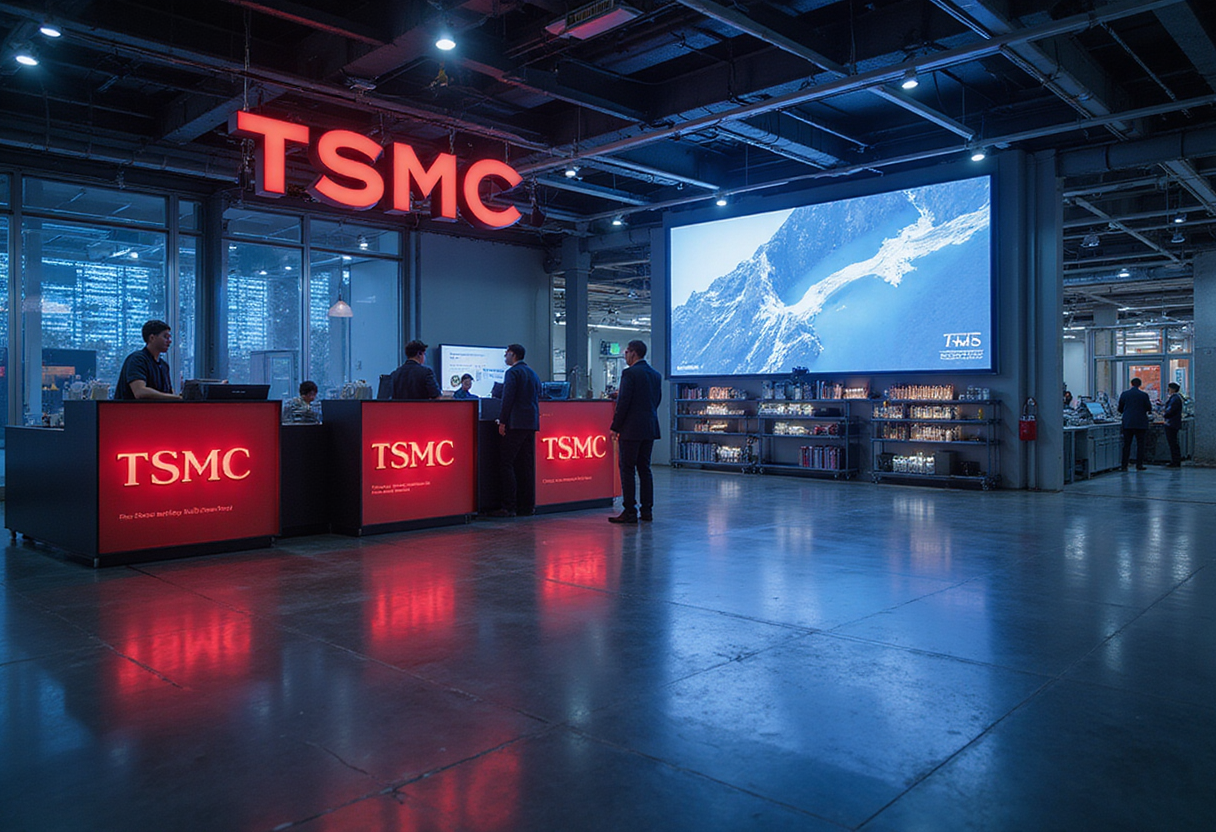
Da Yi Cheng Technology (DYC), a Taiwan-based contractor for electrical and mechanical installation work at semiconductor fabs, has booked orders exceeding NT$10 billion as TSMC's capacity expansion program moves into its second phase. The company's order visibility now extends through 2028.
The figure, reported by DIGITIMES on October 6, 2026, marks a milestone for a contractor that sits several tiers below the chipmakers in the supply chain but has become a direct beneficiary of the capital-spending cycle now underway across the global semiconductor industry.
DYC has expanded rapidly in recent years. The driver is the worldwide wave of fab construction and equipment installation, which has increased demand for second-phase electrical and mechanical installation work — the hookups, wiring, piping and systems integration required after a fab shell is built and process tools begin arriving on site.
What does the NT$10 billion order book signal?
An order book above NT$10 billion (roughly US$310 million at prevailing exchange rates) is significant for a specialist installation contractor. It indicates that TSMC and other fab operators have committed to multi-year construction schedules rather than single-project engagements, locking in installation capacity ahead of equipment moves.
The 2028 visibility horizon matters as much as the headline number. Contractors in the fab build-out segment typically work against project timelines that follow tool delivery schedules, and multi-year visibility suggests the current expansion phase at TSMC is booked well into the second half of the decade.
Why does second-phase work drive the demand?
Fab construction splits into distinct phases. The first phase covers civil works and the building shell. The second phase — DYC's core market — covers the electrical and mechanical installation that connects cleanrooms, utilities and process equipment to operating status.
As global semiconductor capacity expansion accelerates, this second phase has become a bottleneck segment. Each new fab requires extensive hookups per tool, and the surge in fab starts across Taiwan and other regions has pushed demand for qualified installation contractors higher, allowing firms such as DYC to grow their order books.
What are the wider implications?
The order growth at a mid-tier contractor provides a read-through on the health of TSMC's expansion program itself. Installation contracts are typically awarded only when tool delivery and ramp schedules are firm, so a contractor reporting bookings through 2028 corroborates the extended capex horizon that leading foundries have signalled.
It also points to continued tightness in the labor and engineering capacity that supports fab build-outs in Taiwan, where multiple projects compete for the same pool of qualified mechanical and electrical installation crews.
The report was published from Taipei by Monica Chen on October 6, 2026.
via dgt.ms (Original)
More from Marcus Bennett
Show full bio
News editor covering marketplaces and e-commerce at Die Signal.
276 articles
Same lot · LOT-C1C6
- DSG-46197nmTSMC's Quarterly Chipmaking Tool Requirements Nearly Doubled in 2025
- DSG-746720nmTSMC Crosses $2 Trillion Market Cap on AI Foundry Demand
- DSG-36227nmTSMC Reportedly Evaluates Second U.S. Site for Chip-Making Hub
- DSG-608565nmTSMC to Raise Wafer Foundry Prices 3%–6% From January
- DSG-483214nmTSMC Confirms It Is Evaluating Potential New Investment in Texas