Test report · tested November 28, 2026
Memory & StorageDevice under test
TrendForce: RAM prices stabilize in 2027, drop in 2028
TrendForce sees DRAM prices stabilizing by mid-to-late 2027 and falling in 2028, undercutting chipmakers' shortage warnings through 2029-2030 and pointing buyers to a cheaper 2028.
- Read
- 3 min
- Words
- 622
- Segment
- Memory & Storage
- Operator
- Amara Osei
Spec summary
- TrendForce base case: memory chip prices stabilize by mid-to-late 2027 and decline in 2028.
- Bear case: price contraction begins in Q4 2027, with a steeper drop the following year.
- Memory manufacturers still warn of a chip shortage through 2029-2030.
- Nvidia AI GPUs worth $7.5 billion are suspected of being smuggled into China; AI server shipments to Singapore, Malaysia, Thailand and Indonesia now require U.S. export licenses.
- New memory fabs are expected online by 2028; consumer relief would still trail the forecast by at least several months.
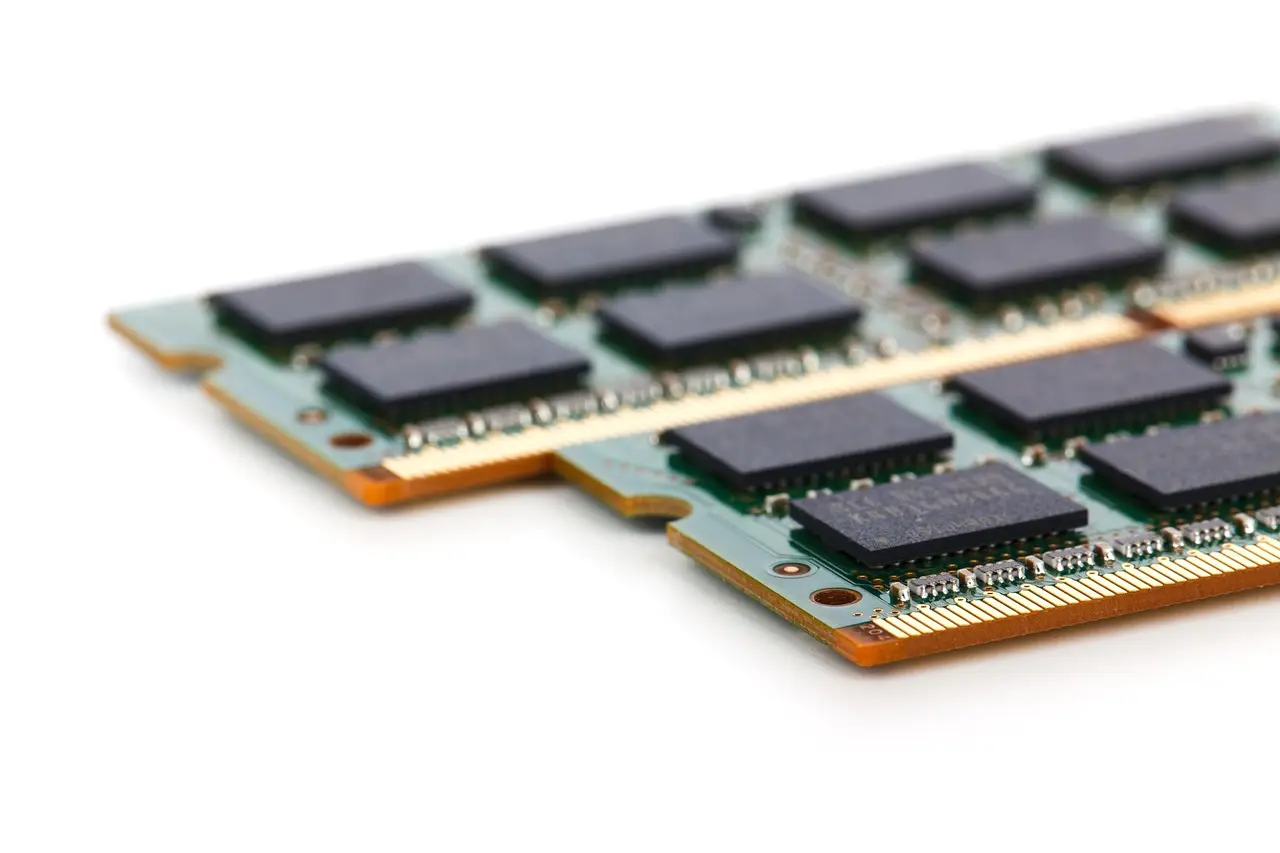
TrendForce, a Taiwan-based market research firm, expects memory chip prices to stabilize by mid-to-late 2027 and start declining in 2028 — a turnaround that lands three years ahead of the shortage warnings chipmakers are still extending through 2029 and 2030.
The forecast puts a date on the cost of RAM sooner than the industry's own guidance, and both of TrendForce's scenarios end with cheaper memory before 2029.
What does the base case look like?
- Base case: memory chip prices stabilize by mid-to-late 2027, with costs expected to begin declining in 2028.
- Bear case: price contraction starts in the last quarter of 2027, with an even larger decrease the following year.
TrendForce tied the deeper downside to policy and customer concentration: "passage of more stringent and effective export controls, as well as consolidation among cloud providers, might result in even further reductions in AI server orders, leading to an even deeper decline in memory chip pricing."
Why is demand falling?
TrendForce cited falling demand as the primary reason for its forecast, noting that untenable memory price increases have pushed consumer electronics demand down.
Chinese cloud service providers began reducing server DRAM orders in the last quarter of this year, and North American sites took up the slack. That offset carries its own risk: North American data center operators took heavy losses on data center measures during the U.S. midterm elections, and TrendForce said their prospects are in question.
Takeaway: the price floor depends on demand that both consumer electronics and AI servers are already trimming.
What does Nvidia have to do with DRAM prices?
Three Nvidia developments feed into the demand side of TrendForce's model.
- S&P Global Ratings issued a notice that Nvidia's rating could be downgraded pending its own investigation. S&P said that could lead the chipmaker to scale back funding for neocloud providers — smaller data center operators — cutting the memory orders those projects generate.
- Publicity around CEO Jensen Huang's affair with Alice Huang, suspected of helping smuggle $7.5 billion worth of Nvidia AI GPUs into China, has raised questions about the company's management and governance and prompted tighter rules from the U.S. Bureau of Industry and Security (BIS).
- Nvidia instructed partner manufacturers to stop shipments of Nvidia-powered AI servers to Singapore, Malaysia, Thailand and Indonesia. Companies based in those four countries now need an export license from the Commerce Department before they can receive their orders.
Takeaway: export controls and a possible downgrade both push AI server orders, and the DRAM behind them, lower.
What happens when new fabs open?
Memory chip manufacturers began constructing factories to address the shortage, and those plants are expected to come online by 2028. New capacity arriving while demand growth slows is what allows prices to fall in TrendForce's model — supply expansion, not a supplier promise, does the work.
Who else is calling the shortage overstated?
Acer chairperson and CEO Jason Chen made a similar claim earlier this year, saying memory makers are only hyping the shortage to protect their margins.
What does this mean for buyers?
Even if the timeline holds, it will take at least several months before consumers and end users feel relief, because retail pricing moves before supply loosens. Buyers who need a memory kit now have more reason to track current RAM prices than to wait for 2027.
For gamers, enthusiasts and PC builders, the practical consequence is narrower supply and higher kit prices for the rest of this cycle, with a cheaper window more likely in 2028 than 2027.
TrendForce, not the manufacturers, now carries the shorter timeline; the open question is whether AI server orders fall faster than new capacity arrives.
via tomshardware.com (Source)
More from Amara Osei
Show full bio
Staff writer covering money, funding and market shifts around hardware layer of artificial intelligence at Die Signal.
820 articles
Same lot
- DRAM Prices Set to Climb 20% in Q4 2026 as AI Demand Meets Tight Supply
- TrendForce Cuts 2027 DRAM Forecast to $1.15 Trillion as NAND Tips Into Downcycle
- Samsung Set to Post 106.1 Trillion Won Quarterly Profit Amid AI Memory Boom
- Nanya Technology Expects DRAM Prices to Rise in Q4
- Ex-Samsung Chip Executive: China DRAM Push Could End 414% DDR5 Price Spike