Test report · tested November 26, 2026
Memory & StorageDevice under test
TrendForce Cuts 2027 DRAM Forecast to $1.15 Trillion as NAND Tips Into Downcycle
TrendForce cuts 2027 DRAM revenue forecast to $1.15 trillion, up 69%, while NAND slips toward a downcycle as capex rises 26.7% and Chinese CSPs trim SSD orders. Goldman trims 2028 prices.
- Read
- 3 min
- Words
- 601
- Segment
- Memory & Storage
- Operator
- Priya Raman
Spec summary
- TrendForce lowered its 2027 DRAM revenue forecast to $1.15 trillion, up 69% from this year.
- 2027 NAND flash revenue forecast cut to $419.3 billion, a 29% gain — less than half of DRAM's growth rate.
- Global NAND capital spending is projected to reach $29.9 billion next year, up 26.7%.
- Goldman Sachs cut its 2028 price forecasts by about 19% for DRAM and about 21% for NAND.
- TrendForce: DRAM price increases 'may flatten in the second half' of next year.
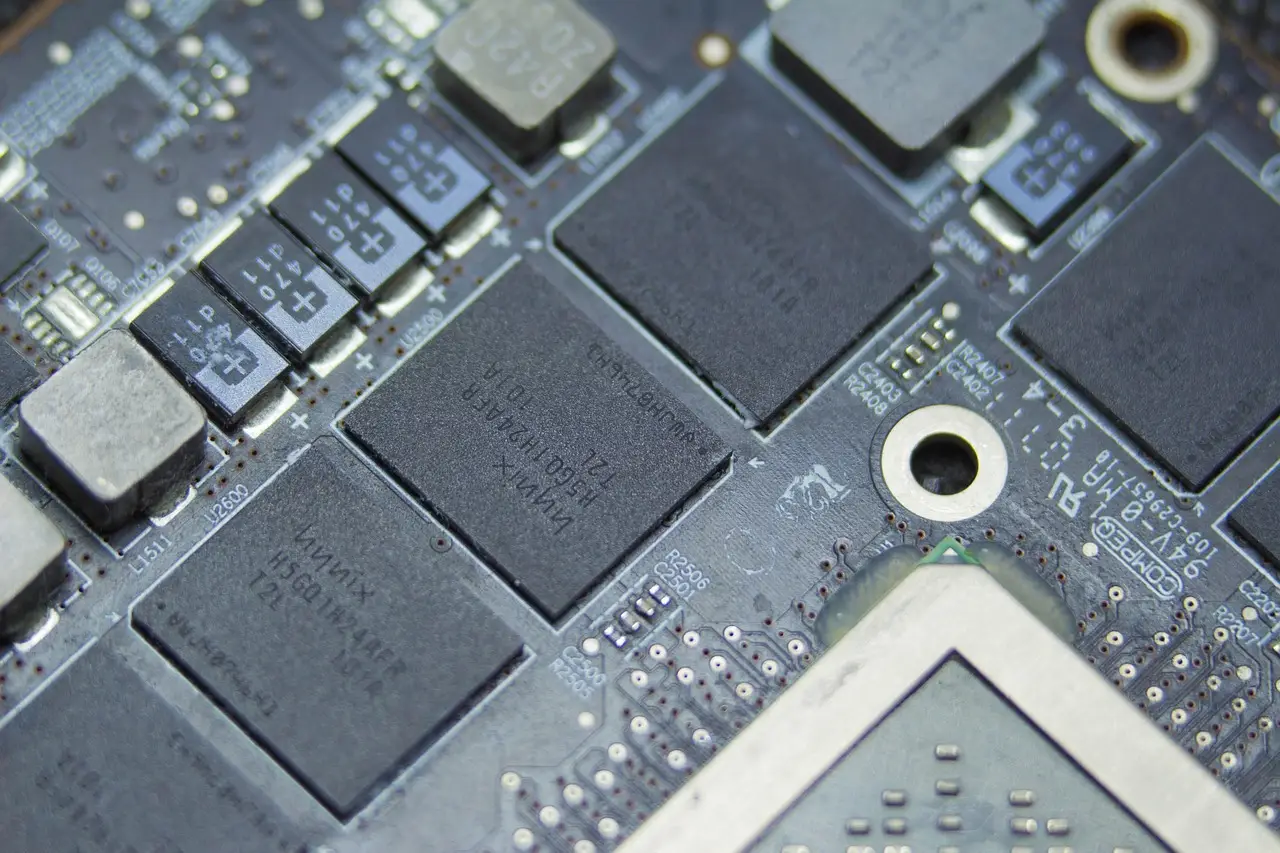
TrendForce now expects 2027 DRAM revenue of $1.15 trillion, a 69% increase from this year but below its prior projection, according to a memory industry report released on the 25th. The firm cut its 2027 NAND flash forecast to $419.3 billion, a 29% gain, and said NAND will enter a price downcycle next year.
DRAM stays short. Quarterly price gains shrink. Goldman Sachs, in a report dated the 22nd of this month, lowered its 2028 price forecasts by roughly 19% for DRAM and 21% for NAND. Two forecasts, one direction: the memory boom is cooling at the margin.
What does the DRAM forecast actually change?
TrendForce projects a DRAM supply shortage next year, but with narrowing price increases each quarter. The 2027 revenue figure of $1.15 trillion represents 69% growth, a downward revision. NAND's $419.3 billion forecast, up 29%, implies less than half the growth rate projected for DRAM.
The firm's language on pricing is explicit. TrendForce said: "DRAM will remain in undersupply throughout next year, but price increases will gradually narrow and may flatten in the second half." Undersupply plus flattening prices signals a market where volume, not pricing, drives revenue.
Who is still buying, and who is stepping back?
North American big tech firms keep demand on a firm growth path. Chinese cloud service providers (CSPs, companies renting computing capacity) have begun trimming DRAM orders, but North American CSPs absorb the freed-up supply, leaving aggregate demand intact.
Shortages of some general-purpose products will persist. PC DRAM stays tight because Samsung Electronics and SK hynix expand capacity centered on high-bandwidth memory (HBM, stacked DRAM for AI accelerators) and server DRAM. Commodity chips get the leftover wafer starts. That structural tilt, not total demand, is what keeps PC DRAM scarce.
Why does NAND face the sharper downturn?
NAND demand weakens from three directions at once. Chinese CSPs are cutting enterprise solid-state drive orders for next year, citing concerns over securing graphics processing units (GPUs, the chips that compete for the same capital). Additional orders from North American firms do not offset that decline.
Device makers add a second drag. TrendForce expects smartphone and PC manufacturers to reduce the storage capacity built into their products, easing cost pressure from rising memory prices. Less storage per device means less NAND per device.
Supply moves the other way. TrendForce expects global NAND capital spending to reach $29.9 billion next year, up 26.7% from this year. Demand growth slows while supply expands quickly, so downward pressure on NAND prices will build through the year, the firm said.
What did Goldman Sachs change?
Goldman Sachs cut its 2028 price forecasts in a report on the 22nd of this month. The bank lowered its DRAM outlook by about 19% and its NAND outlook by about 21%. It expects HBM demand to keep growing, though at a slower pace.
The two reports differ in scope but agree on the shape of the market. DRAM remains structurally short, with HBM and server demand from North American hyperscalers crowding out commodity products. NAND faces the classic oversupply pattern: capital spending up 26.7% into softening demand from Chinese CSPs and storage-thinning device makers.
What remains unsaid?
Neither forecast quantifies the pace of quarterly DRAM price deceleration beyond "narrowing," and neither specifies how far NAND contract prices might fall. TrendForce gives no revenue revision percentage against its earlier 2027 numbers. The caveat on every growth figure here: these are forecasts issued before the downcycle they predict, and memory forecasts have historically moved with one hyperscaler's order book.
via en.sedaily.com (Source)
More from Priya Raman
Show full bio
Correspondent covering money, funding and market shifts around hardware layer of artificial intelligence at Die Signal.
776 articles
Same lot
- Samsung Set to Post 106.1 Trillion Won Quarterly Profit Amid AI Memory Boom
- DRAM, NAND prices forecast to decline from mid-2027
- Samsung's $59B quarter signals memory super-cycle runs to 2027
- NAND Spot Prices Fall 20% as DDR5 Stays Up 150%: Memory Market Splits
- DRAM Prices Set to Climb 20% in Q4 2026 as AI Demand Meets Tight Supply