Test report · tested November 20, 2026
AI Datacenter InfrastructureDevice under test
SpaceX Lines Up $40 Billion AI Chip Financing Days After Musk Pledged $500 Billion
NVIDIA's 13F shows SpaceX as both its biggest customer and largest holding at $19.7B, days before a $40B Apollo-arranged chip financing; NVDA shares are down 31% in a month.
- Read
- 3 min
- Words
- 616
- Segment
- AI Datacenter Infrastructure
- Operator
- Amara Osei
Spec summary
- NVIDIA's 13F shows a $19.7 billion SpaceX stake, raised 6% to 130.5 million shares
- SpaceX readied a $40 billion AI chip financing arranged by Apollo via a special-purpose vehicle; at least $32 billion was offered to investors Thursday
- NVIDIA Q3 revenue reached $115.8 billion, up 103% year over year; adjusted EPS of $2.68 beat the $2.47 consensus
- NVIDIA shares are down 31% over the past month and 19% this year
- Anthropic accounted for more than a third of SpaceX's Q3 revenue; Musk says Anthropic wants 10 more gigawatts of SpaceX compute
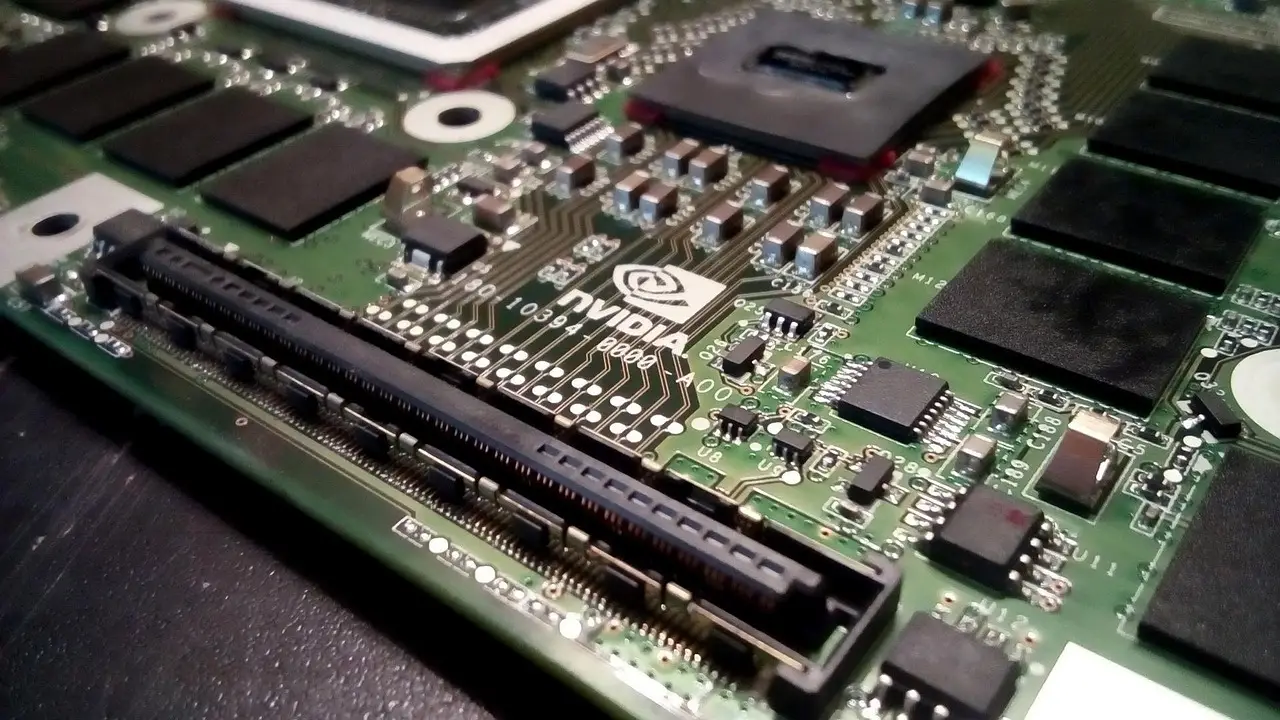
NVIDIA's largest customer is also its largest equity holding: SpaceX, a stake worth $19.7 billion after NVIDIA raised it 6% to 130.5 million shares, per the chipmaker's latest 13F filing.
On the November 19 episode of the AI Investor Podcast, host Eric Bleeker said NVIDIA's "number one customer is suddenly SpaceX" and that "SpaceX has essentially gone all in with NVIDIA." He questioned whether Elon Musk could fund the up to $500 billion in spending he has proposed for next year, asking: "How would you possibly finance it at this moment in time?"
Within hours, reports said SpaceX was preparing a $40 billion AI chip financing. Apollo Global Management (NYSE:APO) arranged the deal through a special-purpose vehicle, keeping the debt off SpaceX's balance sheet directly. At least $32 billion was expected to be offered to investors Thursday.
What does the concentration cost investors?
NVIDIA shares near $150 are down 31% over the past month and 19% this year. The slide came despite record third-quarter results: revenue of $115.8 billion, up 103% year over year, and adjusted EPS of $2.68 against a $2.47 consensus. A CEO transition and concerns about future AI spending weighed on the stock.
The arithmetic of drawdowns compounds the damage. After a 31% decline, a stock must gain 44% to return to even.
Concentration also cascades through the supply chain. Three direct customers accounted for 14%, 11% and 11% of NVIDIA's third-quarter revenue. SpaceX's own CFO says Anthropic (NASDAQ:ANT) made up more than a third of SpaceX's third-quarter revenue, and Musk says Anthropic wants 10 more gigawatts of SpaceX computing power.
CoreWeave (NASDAQ:CRWV) illustrates the linkage. The GPU-rental company drew about 67% of its 2025 revenue from a single customer, and its shares are down 38% over the past year. When NVIDIA sold off after earnings, CoreWeave and other neoclouds fell with it.
How much does position size matter?
The size of a single holding determines whether a bad month stings or scars. In a $200,000 portfolio as it stood a month ago:
- A $100,000 NVIDIA position lost $30,780 in the past month — about 15% of the whole portfolio from one holding.
- A $20,000 position lost $6,156, or roughly 3% of the portfolio. Average returns elsewhere can absorb a 3% loss; a 15% loss depends on NVIDIA itself recovering.
Concentration has also built wealth: NVIDIA is up 6,461% over 10 years. Holding through every drawdown without selling near the bottom was the price, and a smaller position makes that easier.
How can investors cap their AI exposure?
The article lays out four steps:
- Add up look-through exposure: individual NVIDIA shares plus the NVIDIA stake inside every index fund and ETF owned. Fund providers list top holdings online, and large-cap growth funds often carry NVIDIA near the top.
- Run a stress test: multiply each AI holding by 31% — NVIDIA's drop over the past month — and divide by portfolio value. If that loss is unbearable, the position is too large.
- Treat related holdings as one position: NVIDIA, CoreWeave, SpaceX and Anthropic all depend on the same AI infrastructure spending.
- Set a cap, such as 10% for a single stock, and direct new contributions elsewhere until back under it. In taxable accounts that avoids capital gains; in an IRA or 401(k), investors can sell and rebalance with no immediate tax bill.
SpaceX can concentrate on one supplier because it controls its own financing. Individual investors, the piece argues, should keep any single position small enough that its worst month leaves the rest of the plan intact.
via 247wallst.com (Source)
More from Amara Osei
Show full bio
Staff writer covering money, funding and market shifts around hardware layer of artificial intelligence at Die Signal.
777 articles
Same lot
- SpaceX Seeks $40 Billion in Debt to Buy Nvidia AI Chips
- SpaceX falls 5%, breaks below IPO price on chip-financing concerns
- SpaceX Investors Fear Their $40 Billion in Chips Could Be Launched Into Orbit
- Nvidia Reconsiders $100 Billion AI Investment Push After Huang Exit
- SpaceX seeks $40 billion in financing to buy Nvidia AI chips