Test report DSG-8399 · Rev B · tested October 10, 2026
Memory & StorageDevice under test
Acer CEO: Memory Makers Hype 2030 Shortage to Defend Margins
Acer's CEO says memory makers are hyping a 2030 shortage to protect margins, and expects PC prices to decline by late 2027 as cheaper Chinese capacity arrives.
- Read
- 3 min
- Words
- 595
- Node
- 14nm
- Operator
- Grace Kim
Spec summary
- Acer's CEO says memory makers are hyping 2030 shortage fears to protect margins.
- He expects PC prices to decline by late 2027.
- Cheaper Chinese memory capacity coming online should drive lower memory prices.
- The 2030 shortage timeline cannot be verified in the near term, which is what makes it useful as a pricing lever.
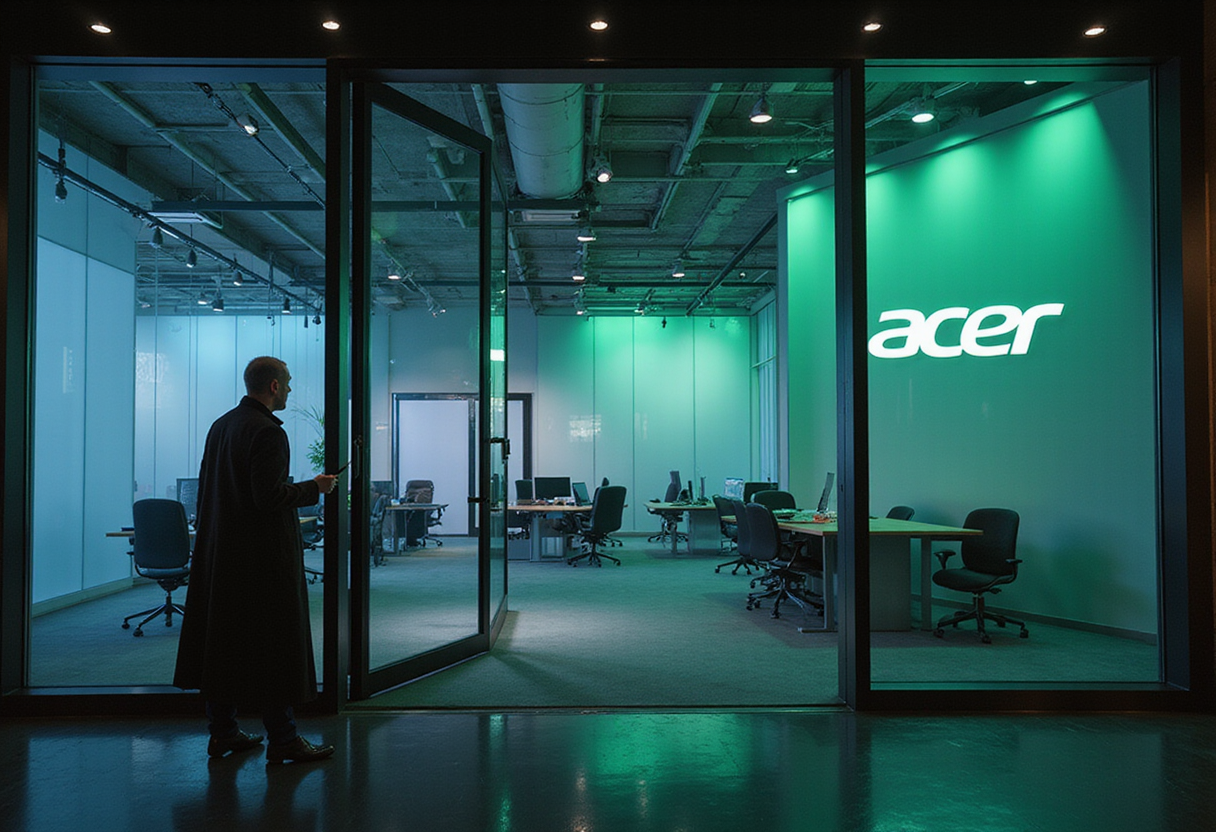
Acer CEO says memory manufacturers are deliberately hyping fears of a 2030 shortage to protect their margins, and he expects PC prices to decline by late 2027 as cheaper Chinese memory capacity comes online.
The claim cuts against the current industry narrative. Memory suppliers have been pointing to a potential DRAM and NAND squeeze toward the end of the decade, arguing that demand from AI data centers and tightening supply will keep prices elevated. Acer's chief executive rejects that framing. In his view, the shortage talk serves suppliers' commercial interests first and forecasting accuracy second.
What does the CEO's claim change for buyers?
If the Acer CEO is right, the practical consequence is straightforward: memory prices fall, and finished PC prices follow them down. He puts a date on it — late 2027 — by which point he expects PC prices to decline.
His reasoning rests on supply, not demand. New Chinese memory fabrication capacity is coming online, and its cost structure undercuts that of the incumbent Korean and American suppliers. More capacity at a lower cost base puts downward pressure on the market price of DRAM and NAND, regardless of how strong AI-driven demand turns out to be.
For PC makers like Acer, memory is one of the largest bill-of-materials components. A decline in memory pricing flows almost directly into retail prices for laptops and desktops, which is why the CEO's timeline matters to anyone planning hardware purchases or refresh cycles over the next three years.
Why would memory makers hype a 2030 shortage?
Shortage warnings move markets. When buyers believe supply will tighten in the future, they stockpile now, sign longer contracts, and accept higher prices — behavior that lifts suppliers' revenue and margins in the present. Acer's CEO is effectively accusing memory makers of using the 2030 horizon as a pricing lever.
The 2030 date itself is far enough out that it cannot be disproven in the near term, but close enough to influence current procurement decisions. That combination, the CEO implies, is what makes it useful as a margin-protection tool.
Incumbent suppliers have their own counterargument: AI infrastructure buildouts are consuming memory output at a scale that genuinely tightens the supply available to PC and consumer markets. Whether that structural demand shift outweighs the new Chinese capacity is the core dispute.
How does Chinese capacity change the equation?
Cheaper Chinese memory production is the pivot of the CEO's forecast. As that capacity ramps, it adds supply to the global market at price points the incumbents struggle to match. The result he predicts: lower memory prices across the board, and with them, declining PC prices by late 2027.
- Cheaper Chinese fabs add supply at a lower cost base than incumbent producers.
- Increased supply pressures global memory pricing downward.
- Lower memory costs reduce PC bill-of-materials cost.
- Acer's CEO expects the effect to reach retail PC prices by late 2027.
What should buyers and OEMs watch?
The dispute resolves through data, not statements. Key indicators include:
- Pricing trends for DRAM and NAND over the next several quarters.
- The actual ramp rate and yield performance of new Chinese memory fabs.
- Contract pricing reported by the major PC OEMs in their quarterly results.
- Whether suppliers' capital expenditure plans match a genuine shortage thesis or a stable-supply scenario.
Acer's CEO has placed a clear, dated bet: no durable shortage, falling memory prices, and PC price declines by late 2027. Memory suppliers have placed the opposite one. The market will render its verdict within roughly two years.
via Google News: DRAM chip (Source)
More from Grace Kim
Same lot · LOT-C1C6
- DSG-225045nmAcer chairman: China supply may burst DRAM and NAND price bubble by mid-2027
- DSG-932014nmMicron CEO Warns Memory Shortages May Persist Into 2028
- DSG-556565nmMicron CEO: memory supply is "only getting tighter"
- DSG-90945nmMicron CEO: Memory Shortage Has No End in Sight, Will Probably Get Worse
- DSG-742010nmMicron warns global memory shortage could persist through 2028