Test report · tested November 25, 2026
Supply Chain & PolicyDevice under test
Seven Minerals Put Korea’s Refining Shift at Center of U.S. Policy
Korea’s seven-mineral priority shifts toward refining and processing as Chinese export controls and U.S. congressional scrutiny raise supply risks for Korean industry.
- Read
- 4 min
- Words
- 723
- Segment
- Supply Chain & Policy
- Operator
- Amara Osei
Spec summary
- Seven minerals, including tungsten and rare earths, are Korea’s priority supply targets.
- China began export controls on gallium and germanium in 2023, then extended them to graphite, tungsten, rare earths and permanent magnets.
- Democrats control both chambers of Congress after the U.S. midterm elections, adding scrutiny to mineral deals and budget reviews.
- Lynas processes Australian-mined rare earths in Malaysia and is one of the few firms outside China able to produce heavy rare earths.
- Korea’s supply-security test is how long domestic industry can operate if imports are cut off.
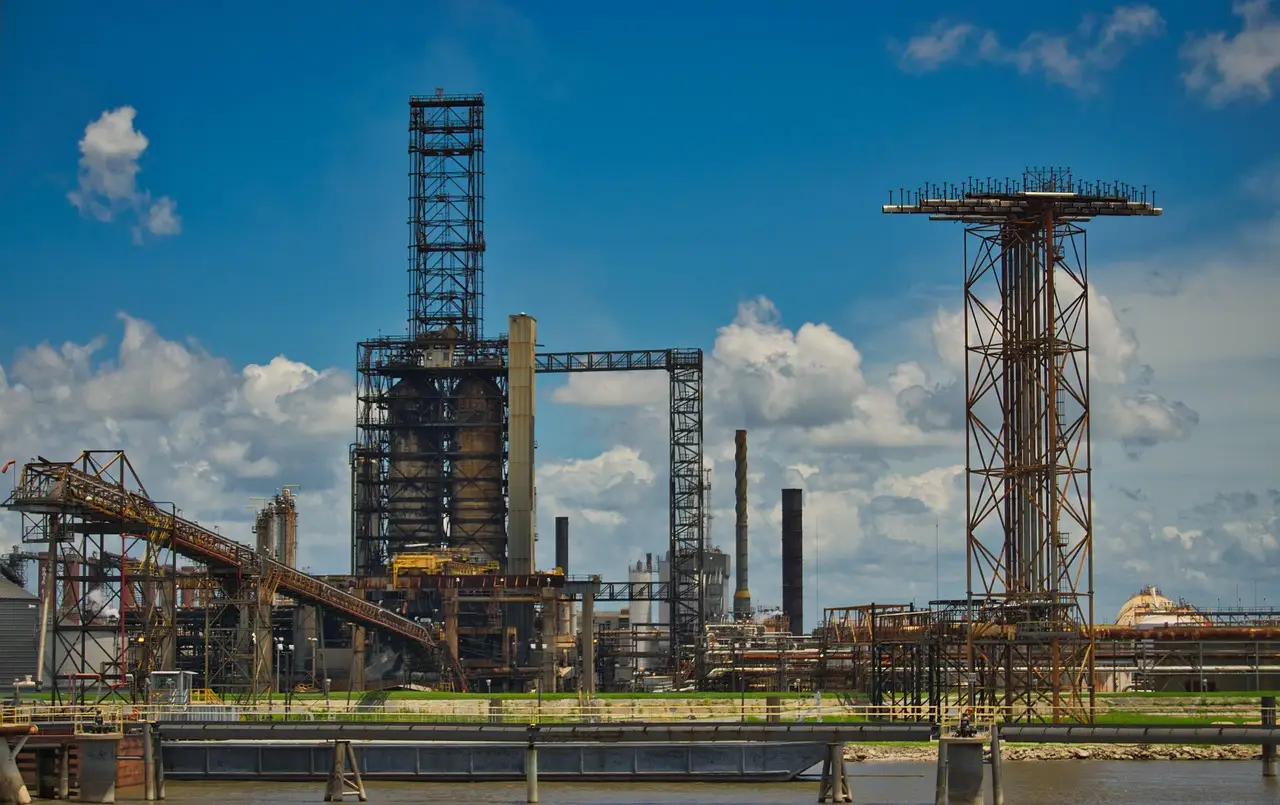
Seven minerals, including tungsten and rare earths, now sit at the center of Korea’s supply-security planning as Washington’s critical-minerals agreements face congressional scrutiny.
What changes after the U.S. midterm result?
Democrats now control both chambers of Congress, adding investigative and budget checks to the White House’s critical-minerals work during the remainder of the Trump administration. Mineral agreements and equity investments that the administration previously concluded quickly must now clear those congressional processes.
The likely shift is in pace and method, not policy direction. Less predictable U.S. engagement will increase competition among countries for secure mineral supplies, while Korean companies and governments must plan around longer approval cycles.
The immediate change is procedural: greater scrutiny may slow mineral deals without reversing the U.S. critical-minerals agenda.
Why has the strategic center moved from mines to refining?
China’s export controls show that supply has become an instrument of national strategy rather than a temporary interruption comparable to the oil shocks of the 1970s. The controls began with gallium and germanium in 2023 and later extended to graphite, tungsten, rare earths and permanent magnets.
That sequence makes the controls a structural feature of international resource competition, not a short-term deviation. Korea also faces protection from major consuming countries that compete with its manufacturers:
- Subsidies for domestic industrial capacity
- Government stockpiles
- Minimum-price mechanisms
These measures place Korea between supplier-country controls and consuming-country protectionism. The country must contend with restrictions on incoming material and weaker access to protected markets at the same time.
Australia’s Lynas Rare Earths illustrates why processing can matter more than a mine. The company spent years building a system that separates and refines in Malaysia rare earths mined in Australia, allowing it to become one of the few firms outside China able to produce heavy rare earths.
Its strategic value rests in ownership of the refining process, not simply reserves in the ground. The same logic applies where Korean companies turn ore into metals, components and production inputs.
Processing capacity has become the practical measure of mineral power.
What has Korea built so far?
Korea has advanced manufacturing capability in semiconductors, batteries, automobiles, shipbuilding and defense. It has not secured comparable supply sovereignty over the raw materials and intermediate goods that feed those industries.
Korean companies have begun forming an international production chain:
- Refining Australian raw materials in Southeast Asia
- Processing those materials into metals
- Linking the metals to magnet production in the United States
Early results are emerging, and the division of labor provides a base for wider supply resilience. The government’s own work reinforces that structure.
The Ministry of Trade, Industry and Energy recently selected seven priority minerals, including tungsten and rare earths. It is building a pipeline that extends beyond ore extraction to smelting, refining and materials production.
It is also clearing the way for the Korea Mine Rehabilitation and Mineral Resources Corporation to resume direct overseas critical-minerals investment, which had been blocked. The revived investment route and processing pipeline point in the needed direction, but they do not by themselves remove Korea’s exposure to foreign supply decisions.
Korea has started assembling the required industrial chain, but it has not yet secured enough of it to achieve supply sovereignty.
How should Korea measure resource security?
The relevant measure is not the number of mines in which Korea invests. It is how long Korean industry can continue operating if an outside supply is cut off. That test raises the priority of refining, processing, stockpiling and recycling.
The state also has to absorb early-stage risk that private companies cannot carry alone. Its role should include joining mine access, processing infrastructure, stocks and recycling into one workable supply system rather than treating them as separate programs.
The policy debate must move from the language of efficiency to the language of security. Supply chains should resist pressure from countries that hold resources, last longer during disruption, recover faster and rely on fewer external sources.
Korea has few natural resources, which makes the distinction decisive. Mine ownership can provide access, but refining and related industrial capacity determine whether that access can withstand a cutoff.
The practical target is a chain that keeps Korean production running through a supply interruption, not a larger count of overseas mining projects.
via en.sedaily.com (Source)
More from Amara Osei
Show full bio
Staff writer covering money, funding and market shifts around hardware layer of artificial intelligence at Die Signal.
797 articles
Same lot
- Korea Names Seven Critical Minerals for State-Backed Overseas Mine Push
- China Imposes New Export Controls on Rare Earth and Battery Materials
- Democrats target Korea's $350 billion pledge as tariff risk grows
- TSMC weighs rare-earth-free factory motors amid export risk
- LS Eco Energy to begin non-Chinese samarium output next month