Test report DSG-8122 · Rev E · tested November 17, 2026
Memory & StorageDevice under test
Samsung to Raise Galaxy A Prices by Up to 19% From Jan. 1
Samsung will lift eight Galaxy A models by $20-$60 from Jan. 1, up to 18.6%, as memory hits 54% of entry-level component costs amid AI data center demand.
- Read
- 3 min
- Words
- 562
- Node
- 28nm
- Operator
- Grace Kim
Spec summary
- Samsung raises eight Galaxy A models by $20–$60 from Jan. 1, topping out at an 18.6% increase on the A17 5G.
- Memory now makes up 54% of component costs for low-end smartphones, up from 20% a year earlier (Counterpoint Research).
- Samsung's DX division paid 263% more on average for mobile memory than last year's average.
- Global smartphone shipments fell 19% in Q3 while average retail prices rose 20% this year.
- Memory surcharge for +128 GB storage or +4 GB DRAM may rise 25%, from $80 to $100.
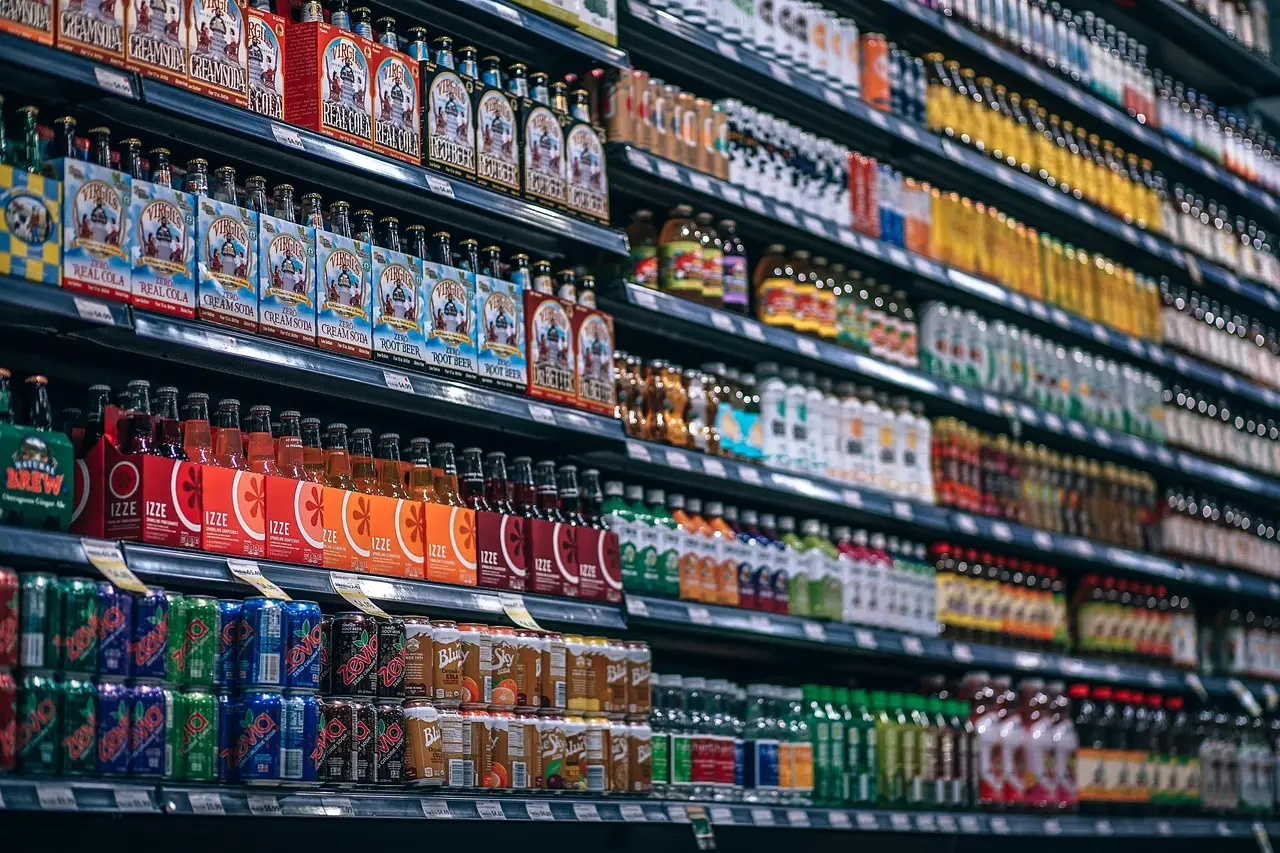
Samsung Electronics will raise prices on eight Galaxy A models by $20 to $60 starting Jan. 1, with the steepest increase hitting 18.6%. The cause is memory: DRAM and NAND flash now account for 54% of component costs in low-end smartphones, up from 20% in the third quarter of last year, according to Counterpoint Research.
The plan, detailed by industry sources on the 17th, hits Samsung's highest-volume segment. Specific figures:
- Galaxy A17 5G: up $50 to $319 from $269, a rise of 18.6%
- Galaxy A37: up $60 to $499 from $439, or 13.7%
- Galaxy A27: up $40 to $399 from $359, or 11.1%
- Galaxy A18 LTE: up to $299 from $259
- Galaxy A07 5G: up to $229 from $199
- Galaxy A57: up $50 to $599 from $549
Surcharges for extra memory are climbing too. Samsung is weighing a jump to $100 from $80 — a 25% increase — for adding 128 gigabytes of storage or 4 gigabytes of DRAM.
What's driving the increases?
The numbers come straight from Samsung's third-quarter report. The Device eXperience division (the unit building finished products) spent 62.43 trillion won, or $42.4 billion, on raw materials through September — up 5.12 trillion won, or 8.9%, year over year. Mobile memory purchases alone totaled 7.7 trillion won, or 12.3% of the division's total raw material spend. Key suppliers include Micron Technology of the U.S. and Kioxia of Japan.
The scale is stark. The DX division's average purchase price for mobile memory rose 263% from last year's average. Mobile application processors (the main computing chip) went up just 8%, and camera module prices barely moved. Memory is the outlier pushing the smartphone business into cost pressure it can't easily absorb — entry-level products run thin margins by design.
Why is memory so expensive?
AI servers are eating the supply. Memory prices more than doubled from the third quarter of last year through the first quarter of this year, then rose another 80% to 90% quarter over quarter in Q2 and 15% to 30% in Q3. Production is shifting toward high-bandwidth memory and high-performance DRAM for AI data centers, shrinking supply of the commodity memory used in entry-level phones.
Samsung isn't alone. Chinese smartphone makers are raising prices or cutting installed memory capacity to hold costs down.
What does this change for buyers?
Some increases are already live. Samsung raised prices on major models, including the A57, in the United States in October. The timing and size of next year's hikes will vary by country depending on sales conditions.
Higher prices are already denting demand. Global smartphone shipments fell 19% in the third quarter year over year, Counterpoint Research reports, while average global retail prices rose 20% this year. Samsung's shipments slipped 5%, but the company kept the top spot with a 22% share, ahead of Apple at 21%. Premium demand has held up. In the entry-level market, higher prices have translated directly into weaker sales.
No relief is coming soon. Counterpoint Research expects memory prices to keep rising through the first quarter of next year and to stabilize only around mid-year.
"Rising memory prices are feeding into higher smartphone retail prices, and those higher prices are in turn weakening demand," an industry official said.
via en.sedaily.com (Source)
More from Grace Kim
Show full bio
Market editor covering regulation, policy and their impact on hardware layer of artificial intelligence at Die Signal.
665 articles
Same lot · LOT-362D
- DSG-477645nmSamsung's Mobile Memory Costs Jump 263% as AI Demand Hits Phones
- DSG-659128nmSamsung Targets $80B Quarterly Profit as Memory Prices Bite
- DSG-935728nmSamsung Projects 107.4 Trillion Won Quarterly Profit on AI Chip Demand
- DSG-88577nmSamsung Q3 Profit Set to Jump Nearly Nine-Fold on AI Chip Demand
- DSG-568745nmSamsung's Chip Arm Profits From Memory Rally as Device Unit Pays the Price