Test report DSG-5687 · Rev B · tested October 10, 2026
Memory & StorageDevice under test
Samsung's Chip Arm Profits From Memory Rally as Device Unit Pays the Price
Samsung's semiconductor business gains as memory contract prices climb, while the company's device unit absorbs higher component costs from the same trend, Seoul Economic Daily reports.
- Read
- 3 min
- Words
- 598
- Node
- 45nm
- Operator
- Elena Vasquez
Spec summary
- Samsung's Device Solutions division collects incremental margin on each shipped gigabyte as memory contract prices rise, per Seoul Economic Daily's framing
- Samsung's MX division faces higher bill-of-materials costs as Galaxy flagships ship with 12 GB or higher RAM configurations and larger NAND storage
- Samsung completed HBM3E qualification with major accelerator platforms through 2024, positioning the chip arm for AI-driven memory demand
- The three major memory makers — Samsung, SK hynix, and Micron — have run disciplined capacity expansion since the prior cyclical downturn, leaving supply tight
- The Seoul Economic Daily piece does not disclose specific quarterly guidance, percentage figures, or executive comments in its available summary
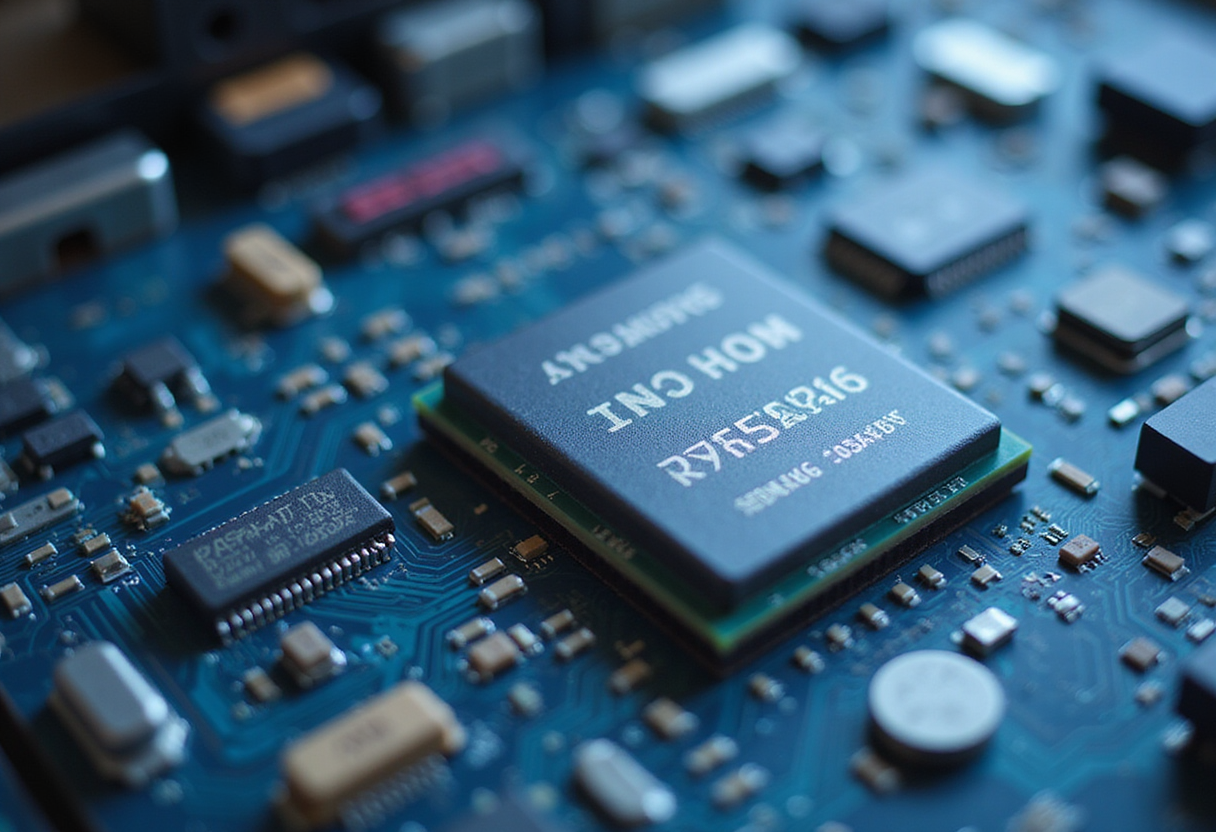
Samsung Electronics' chip division is gaining as memory contract prices climb, while the company's device business absorbs higher input costs from the same trend, Seoul Economic Daily reports.
The trade-off sits inside one of the world's largest electronics companies. As contract prices for DRAM and NAND flash memory move higher, Samsung's memory and chip operations collect incremental revenue on each shipped gigabyte. The Mobile Experience (MX) division and the consumer electronics units pay more for the silicon they install in Galaxy smartphones, tablets, and other finished products.
How does memory pricing move both halves of Samsung?
Samsung runs the world's largest memory chip operation alongside a finished-device business that consumes that memory in volume. The vertical structure turns component price moves into a zero-sum swing inside one consolidated balance sheet. Memory revenue flows into the Device Solutions division. Memory procurement sits on the cost line for MX and consumer electronics.
When contract prices rise:
- Chip division revenue per bit rises directly
- Device division cost of goods sold rises on every unit shipped
- Internal transfer pricing can blur the line, but consolidated gross margin still reflects the squeeze
Industry trackers at TrendForce and Omdia publish weekly contract pricing data. Recent quarters have shown sequential increases across DRAM modules in particular, though the Seoul Economic Daily piece does not specify which product categories or contract periods drove the latest moves cited.
What is driving the price surge?
The Seoul Economic Daily headline points to a "memory price surge" without detailing the trigger. Industry observers attribute recent contract price strength to AI server demand, which has lifted consumption of HBM, DDR5, and enterprise SSD capacity. The three major memory makers — Samsung, SK hynix, and Micron — have run disciplined capacity expansion since the prior cyclical downturn, leaving supply tight as AI workloads scale.
Samsung's qualification of HBM3E with major accelerator platforms through 2024 positioned the company to capture incremental revenue from AI-driven memory demand. That mix shift toward higher-margin HBM and DDR5 lifts the chip division's blended average selling price, even as standard DRAM and NAND contract moves drive the headline number.
What does the device unit face?
Higher memory content in flagship phones — current Galaxy S-series models ship with 12 GB or higher RAM configurations — means the bill-of-materials delta lands directly on the MX division's margin line. NAND requirements for on-device AI inference and larger camera pipelines have lifted storage content as well.
Samsung's MX division historically runs operating margins below the chip division's. Component cost inflation that the chip side captures as revenue becomes pure margin compression on the device side, absent offsetting retail price moves or product mix shifts toward higher-tier devices.
What is the strategic read?
The piece highlights an internal conflict Samsung has managed for decades: optimize for memory margin or absorb higher memory cost in finished products. Spot market behavior suggests Samsung has prioritized chip-side margin, which means device unit pressure tends to persist through contract price upswings rather than being smoothed by internal subsidy.
The trade press framing — chip arm "lifted," device unit "squeezed" — points to net positive consolidated earnings for Samsung, with the allocation question determining segment-level margins. Samsung reports segment-level financials in quarterly earnings disclosures, where the trade-off's quantification typically appears.
The Seoul Economic Daily piece does not disclose specific quarterly guidance, percentage figures, or executive comments in the headline or available summary. The underlying dynamics may set the tone for Samsung's next earnings disclosure and segment guidance.
via Google News: DRAM chip (Source)
More from Elena Vasquez
Show full bio
Senior reporter covering industry trends and analytics at Die Signal.
247 articles
Same lot · LOT-C1C6
- DSG-659128nmSamsung Targets $80B Quarterly Profit as Memory Prices Bite
- DSG-746365nmSamsung Set to Post USD 73.4 Billion Quarterly Operating Profit
- DSG-204828nmSamsung Set to Post USD 73.4 Billion Quarterly Operating Profit
- DSG-159465nmSamsung Profit Jumps Nearly Nine-Fold on Memory Chip Windfall
- DSG-407820nmSamsung Profit Jumps Nearly Ninefold, Driven by Memory Chips