Test report DSG-4078 · Rev C · tested October 8, 2026
Memory & StorageDevice under test
Samsung Profit Jumps Nearly Ninefold, Driven by Memory Chips
Samsung's quarterly profit climbed nearly ninefold, with memory chips delivering the bulk of the gain and signaling a decisive turn in the semiconductor pricing cycle.
- Read
- 2 min
- Words
- 449
- Node
- 20nm
- Operator
- Amara Osei
Spec summary
- Samsung's profit rose nearly ninefold in the latest reported period.
- Memory chips were the primary driver of the earnings increase.
- Samsung is the world's largest memory chip producer.
- The result marks a sharp reversal from the memory downturn that depressed profits through 2023.
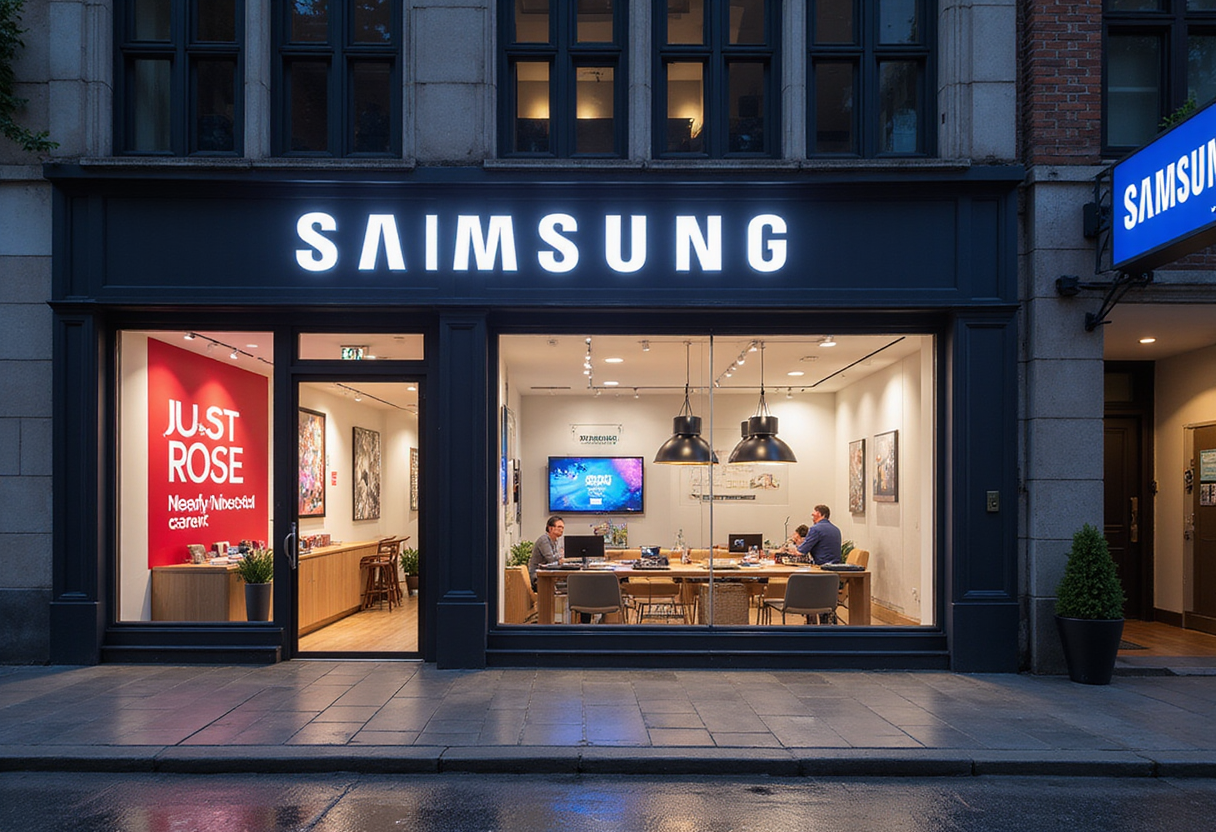
Samsung's quarterly profit rose nearly ninefold, and memory chips accounted for the bulk of the increase. The result confirms that semiconductor pricing, not consumer devices, now determines the company's earnings trajectory.
The scale of the jump stands out. A near-ninefold year-over-year rise in profit places the quarter among Samsung's sharpest earnings accelerations in recent memory, and the driver is unambiguous: memory. Chip sales carried the quarter while the rest of the conglomerate's portfolio — smartphones, displays, consumer electronics — contributed far less to the bottom line.
Why did memory deliver such a sharp swing?
Memory is a cyclical business. Prices for DRAM and NAND flash fell hard through 2023, dragging Samsung's profits to multi-year lows. Recovery in memory pricing since then has reversed that dynamic. When prices rebound, margins expand faster than revenue, because the cost of running fabs changes little while the selling price per chip climbs.
That leverage explains the magnitude of the swing. Samsung is the world's largest memory producer, so it captures more of the upside from a pricing recovery than any competitor. The same cycle that crushed earnings on the way down multiplies them on the way up.
What does this signal for the broader chip market?
Samsung's results function as a proxy for the entire memory industry. A near-ninefold profit increase indicates that demand has strengthened and that the supply discipline of the past downturn is holding. Buyers of memory — PC makers, smartphone manufacturers, data-center operators — face a market that has shifted back in favor of the producers.
For Samsung's rivals, including SK Hynix and Micron, the implication is direct. When the largest player reports this kind of earnings recovery, the pricing environment has likely improved industry-wide. For Samsung itself, the memory windfall funds capital expenditure on next-generation capacity, including the HBM memory used in AI accelerators, where competition for data-center customers is intensifying.
Where does Samsung go from here?
The company's earnings now hinge on the memory cycle to a degree that its device businesses cannot offset. If pricing holds, the profit recovery continues. If chip buyers push back on prices or supply expands too quickly, the leverage works in reverse — the same mechanism that produced a ninefold increase can compress margins just as fast.
For now, the direction is clear. Memory chips drove the quarter, and by a margin large enough to set the company's entire financial picture.
Key takeaway: Samsung's profit rose nearly ninefold on the strength of its memory chip business, marking a decisive turn in the semiconductor cycle and underscoring how much the company's earnings depend on memory pricing.
via Google News: DRAM chip (Source)
More from Amara Osei
Same lot · LOT-C1AF
- DSG-560710nmSamsung Posts Record Profit on Memory Chip Demand
- DSG-748714nmSamsung Q3 Preliminary: Operating Profit Passes 100 Trillion Won
- DSG-88577nmSamsung Q3 Profit Set to Jump Nearly Nine-Fold on AI Chip Demand
- DSG-582828nmSamsung Q3 Operating Profit Jumps Nearly Eight-Fold to a Record
- DSG-935728nmSamsung Projects 107.4 Trillion Won Quarterly Profit on AI Chip Demand