Test report DSG-7031 · Rev D · tested November 12, 2026
Foundries & ManufacturingDevice under test
Samsung Raises Chungcheong Investment to 144 Trillion Won
Samsung lifts its Chungcheong commitment to 144 trillion won ($98 billion) and accelerates HBM, OLED and AI substrate plant timelines as AI chip demand surges across four affiliates.
- Read
- 4 min
- Words
- 795
- Node
- 45nm
- Operator
- Amara Osei
Spec summary
- Samsung raised its Chungcheong investment to 144 trillion won ($98 billion), up 4 trillion won from the July plan.
- Samsung Electronics cut Onyang Line 5 construction by one year and targets operations in June 2028.
- Samsung Display invests 67 trillion won, the largest share, with A7 OLED mass production set for H2 2029.
- Samsung Electro-Mechanics' 4.3-trillion-won Sejong substrate factory targets mass production in September 2028.
- Samsung SDI's 9-trillion-won Cheonan 'mother factory' began equipment operation in November last year.
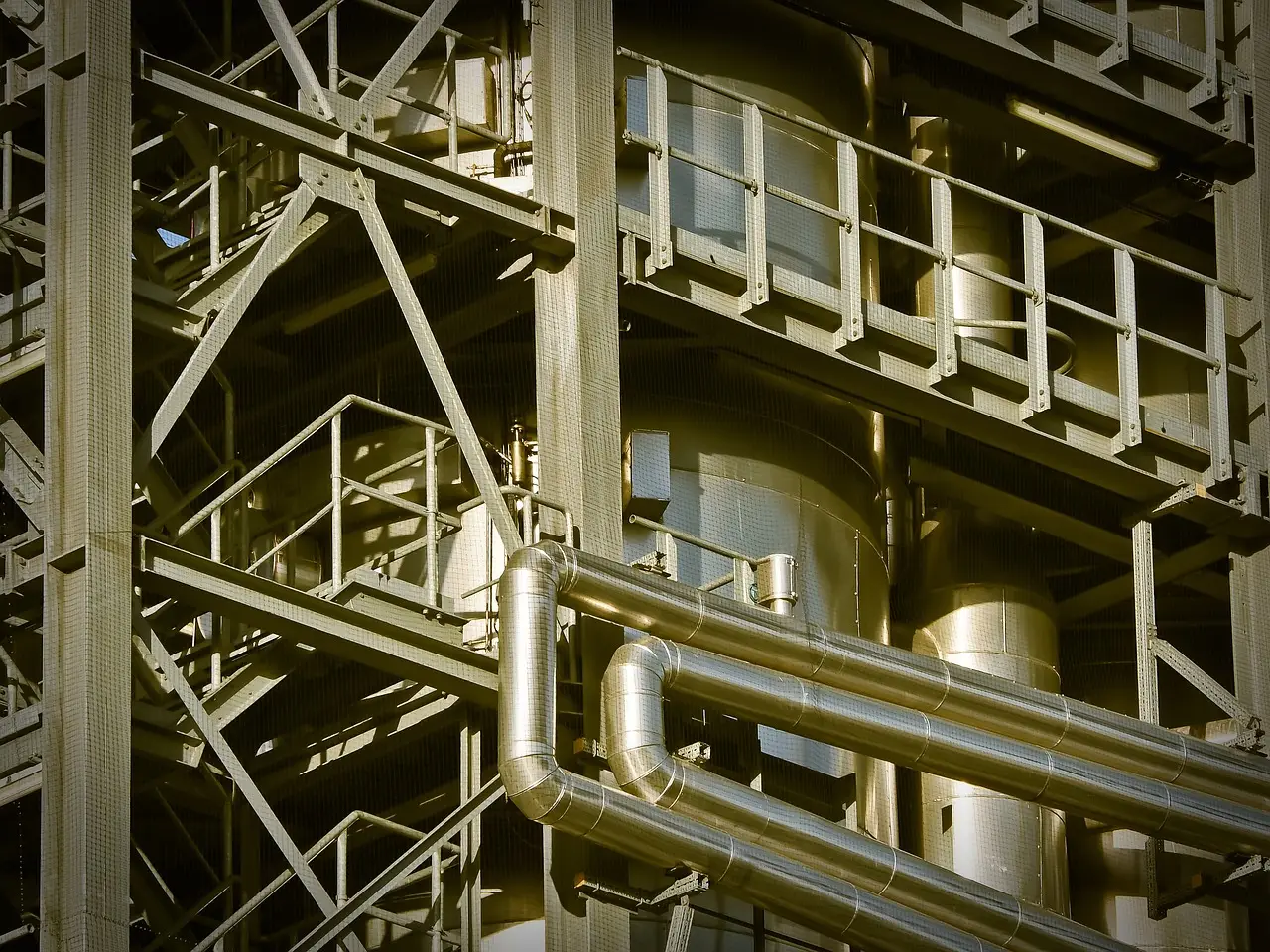
Samsung will invest 144 trillion won ($98 billion) across South Korea's Chungcheong region, raising its July commitment of 140 trillion won by 4 trillion won and pulling forward plant start dates as demand for AI chips surges. The group announced the plan on the 12th at a groundbreaking ceremony for an advanced HBM packaging plant at Samsung Electronics' (005930) Onyang campus in Asan, South Chungcheong Province.
Four affiliates split the total:
- Samsung Electronics: 60 trillion won for HBM production in Onyang and Cheonan
- Samsung Display: 67 trillion won for OLED lines in Asan and Cheonan
- Samsung Electro-Mechanics (009150): 8 trillion won for AI server package substrates in Sejong
- Samsung SDI (006400): 9 trillion won for next-generation batteries in Cheonan
The strategy targets an industrial ecosystem spanning semiconductors, displays and batteries across Asan, Cheonan and Sejong.
How fast are the semiconductor timelines moving?
Samsung Electronics raised its semiconductor allocation to 60 trillion won, up 4 trillion won from the 56 trillion won announced in July. An initial 6 trillion won goes to Line 5 at Onyang, where construction began at the ceremony. The three-story plant will cover roughly 9,400 pyeong (31,000 square meters) and produce next-generation HBM products.
The schedule has tightened. Samsung shortened construction of Onyang Line 5 by one year from the original plan to meet explosive growth in server memory demand. Groundwork is under way, with operations targeted for June 2028. The company plans to link Onyang and Cheonan to build a global center for back-end chip processing.
Chairman Jay Y. Lee noted that the site, which 40 years ago had bare hills and unpaved roads, now assembles, tests and completes semiconductors. "This place, which was centered on simple assembly and testing of conventional chips, will be transformed into a cutting-edge HBM base that is the heart of AI semiconductors," he said.
What does Samsung Display gain?
Samsung Display carries the largest share at 67 trillion won. Its core project is the A7 line, an advanced OLED production facility in Asan receiving 5.9 trillion won, with a total floor area of about 170,000 pyeong (562,000 square meters). The line will produce next-generation OLED panels for foldable devices and tablets.
Construction began in October, with mass production targeted for the second half of 2029. The investment tracks an OLED market expanding beyond smartphones into tablets, laptops and extended reality devices. Chief Executive Lee Cheong said: "We will make differentiated products that no one can follow, lift the competitiveness of Korea's display industry a step higher and complete a future display cluster early."
Where do substrates and batteries fit?
Samsung Electro-Mechanics will invest 8 trillion won at its Sejong plant to expand capacity for advanced package substrates used in AI servers. A new factory, accounting for 4.3 trillion won, will have four above-ground floors and roughly 30,000 pyeong (99,000 square meters) of floor area. Construction began in October to answer requests from global big tech companies for rapid mass production. The company aims to compress the construction period and begin mass production in September 2028. It is also securing additional land near the Sejong plant to push investment beyond the original plan.
"Through bold investment, fast construction and earlier mass production, we will take the lead in making Korea stand at the center of the AI era," Chief Executive Chang Duck-hyun said.
Samsung SDI will invest 9 trillion won at its Cheonan plant, anchored by a "mother factory" for developing next-generation battery technologies and validating new production processes. Construction finished in July last year; equipment began operating that November, and more equipment is still arriving. Samsung SDI targets battery demand from data centers, humanoid robots and aerospace.
Why is Samsung concentrating spending in Chungcheong?
AI industry growth is lifting demand not only for chips but for related materials and components. Samsung's plan links HBM production, advanced packaging and AI server substrates while securing displays and batteries as next-generation growth engines.
"Since the Chungcheong mega-project was announced, all construction has progressed quickly thanks to active administrative support from the central and local governments," said Jun Young-hyun, vice chairman and head of Samsung Electronics' Device Solutions division. He added that the group will push ahead with the Honam and Yeongnam mega-projects and a semiconductor cluster in greater Seoul without disruption.
Lee called the project "not merely an industrial strategy but a historic challenge that redraws Korea's future," adding that cooperation between central government, local governments and companies could create "a turning point for a great national leap."
The 4-trillion-won increase and the one-year construction cut both point in one direction: Samsung is compressing every timeline it controls.
via en.sedaily.com (Source)
More from Amara Osei
Show full bio
Staff writer covering money, funding and market shifts around hardware layer of artificial intelligence at Die Signal.
593 articles
Same lot · LOT-3628
- DSG-153920nmSamsung Breaks Ground on $33 Billion HBM Packaging Push in Asan
- DSG-205165nmSamsung to Break Ground on 1.3 Trillion Won HBM Packaging Fab
- DSG-957128nmSamsung weighs 30 trillion won Giheung expansion for HBM
- DSG-64405nmSamsung Breaks Ground on $4.1 Billion Asan Packaging Plant
- DSG-892610nmSamsung puts 46 trillion won behind HBM4E mass production