Test report DSG-4914 · Rev E · tested September 30, 2026
Foundries & ManufacturingDevice under test
Samsung Foundry Revenue Rose in Q2 2026 but Trailed TSMC
Samsung's foundry arm grew revenue in Q2 2026, but TSMC kept a wide lead in contract chip manufacturing as the gap between the two rivals persisted.
- Read
- 2 min
- Words
- 305
- Node
- 45nm
- Operator
- Elena Vasquez
Spec summary
- Samsung foundry revenue increased in Q2 2026 on a sequential basis
- TSMC remained far ahead of Samsung in foundry revenue despite the uptick
- The report did not disclose specific revenue figures for the quarter
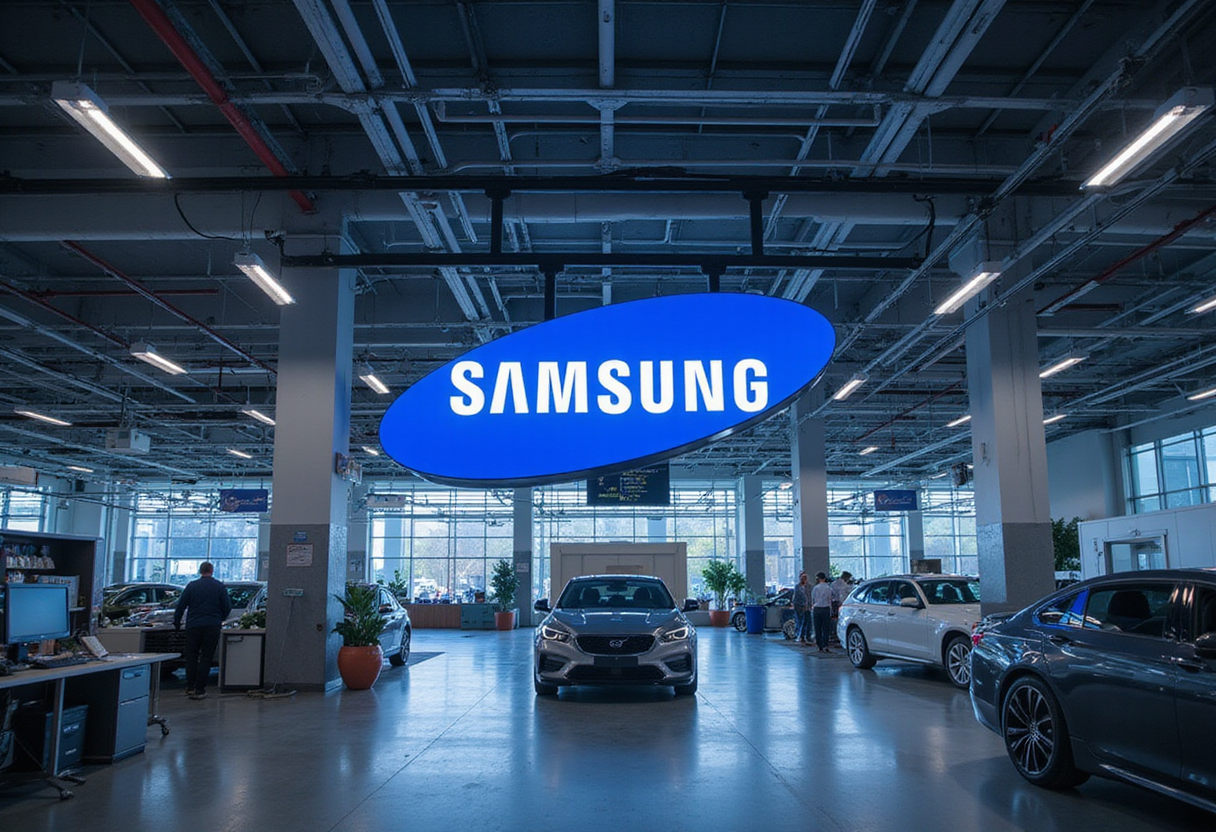
Samsung's foundry business posted a revenue increase in the second quarter of 2026, according to figures reported by SamMobile. The improvement, however, did little to change the competitive picture. TSMC retained a commanding lead over the Korean chipmaker, leaving Samsung's contract manufacturing arm far behind in the global foundry market.
The quarter-over-quarter uptick signals some recovery in Samsung's foundry operations, which have struggled to convert capacity investment into sustained market share gains. TSMC continues to dominate the segment, serving the bulk of the world's advanced-node demand from major fabless customers.
For Samsung, the gap remains structural rather than cyclical. Despite aggressive capacity expansion and process roadmap investments, the company has not closed the distance to TSMC in foundry revenue terms. The Q2 2026 result underscores that dynamic: growth yes, but from a base that still leaves the market leader well clear.
The report did not indicate a change in Samsung's near-term foundry strategy. The company continues to pursue advanced process nodes and higher utilization as it seeks to win additional external customers and reduce its reliance on internal orders from Samsung's own system LSI and memory divisions.
Analysts tracking the foundry sector have long pointed to the difficulty of displacing TSMC's position among top-tier chip designers, who prioritize yield maturity, capacity reliability, and long-term process roadmaps when allocating advanced-node orders. Samsung's sequential revenue gain suggests incremental progress on those fronts, but the scale of TSMC's lead means meaningful convergence would require a sustained multi-quarter shift in order patterns.
Samsung has not publicly broken out specific Q2 2026 foundry revenue figures beyond the disclosure referenced in the report. The company typically reports foundry results within its Device Solutions division, where foundry performance is often offset by memory business fluctuations.
via Google News: TSMC (Source)
More from Elena Vasquez
Show full bio
Senior reporter covering industry trends and analytics at Die Signal.
53 articles
Same lot · LOT-C1D0
- DSG-385220nmTSMC Targets 1.4nm Trial Production in Q1 2027 as Gap Widens
- DSG-563714nmTSMC Foundry Share Hits 72.5% as AI, Smartphone Demand Fill Advanced Nodes
- DSG-452414nmTSMC Lifts Foundry 2.0 Share to 42% as Market Hits $96.6 Billion
- DSG-40697nmSamsung and Broadcom Expand Collaboration on Memory and Foundry
- DSG-467345nmTSMC Reports 45% Sales Surge Driven by AI Chip Demand