Test report · tested November 25, 2026
Supply Chain & PolicyDevice under test
Samsung Display Becomes ams Osram's Largest Shareholder to Push micro LED
Samsung Display is paying €210 million (about 294 billion won) for 9.1% of ams Osram, becoming its largest shareholder and signing a joint micro LED development partnership.
- Read
- 3 min
- Words
- 528
- Segment
- Supply Chain & Policy
- Operator
- Elena Vasquez
Spec summary
- Samsung Display invests €210 million (~294 billion won) for a 9.1% stake in ams Osram
- The deal covers 9,984,439 newly issued shares, making Samsung Display the largest shareholder
- A strategic partnership targets joint development of micro LED, using devices under 100 micrometers per side
- Stake acquisition is expected to complete by early next year after regulatory approval
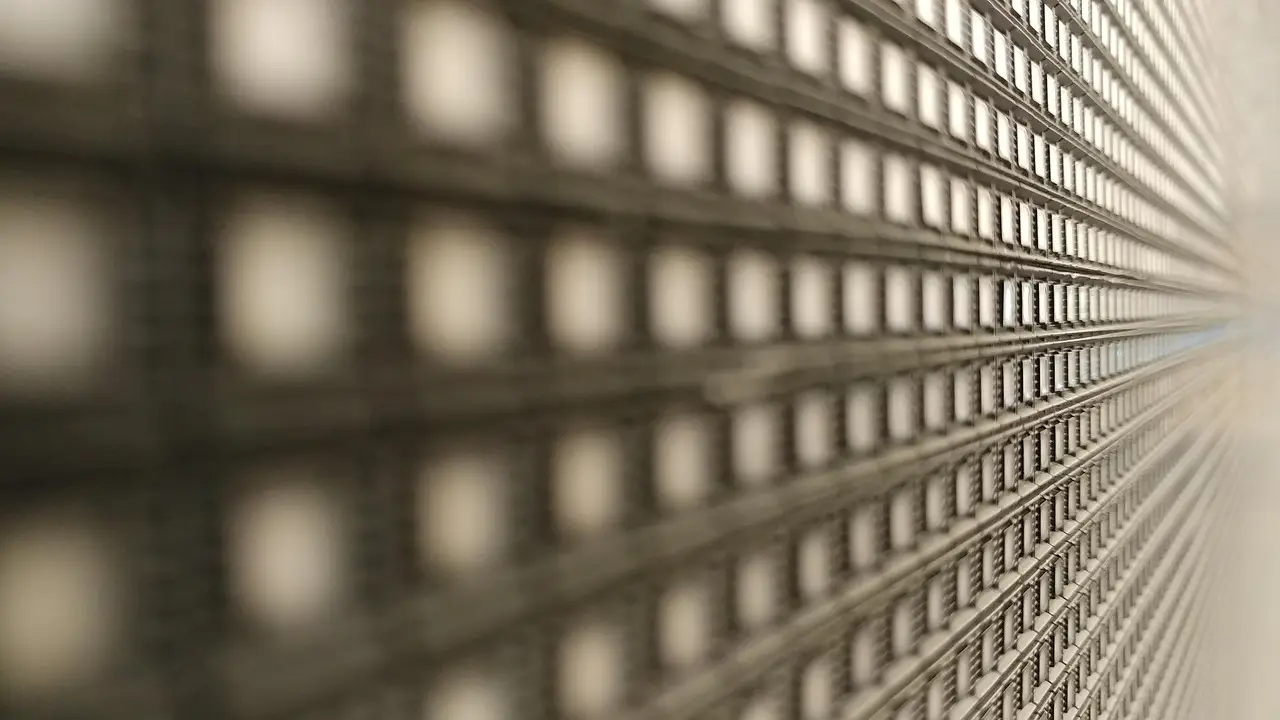
Samsung Display will spend €210 million — roughly 294 billion won — for a 9.1% stake in ams Osram, making the Korean panel maker the Austrian optical semiconductor company's largest shareholder. The agreement, announced on the 25th, covers 9,984,439 newly issued shares and is expected to close early next year, pending regulatory review and approval.
For a frame of scale: €210 million is what Samsung Display is paying to leapfrog other shareholders in a company with more than 120 years of history, not to buy it outright. The 9.1% position is about control of direction, not consolidation.
Why does a display maker want an LED specialist?
Alongside the share purchase, Samsung Display signed a strategic partnership to jointly develop next-generation micro LED technology. ams Osram brings world-class expertise in two areas Samsung Display needs: the design and manufacturing of ultra-fine LEDs, and high-density integration of those devices.
The stated goals are concrete. Samsung Display wants to improve the luminous efficiency of micro LED devices and sharpen their cost competitiveness — the two parameters that decide whether a display technology leaves the lab. It also aims to pull forward the commercialization timeline for micro LED.
For practitioners, that means the micro LED supply chain just got a major anchor customer with equity skin in the game. When the largest shareholder of a key LED supplier is also the developer of the end product, procurement priorities tend to shift.
What is micro LED, and why does it matter?
Micro LED is positioned as the successor to OLED in display technology. It uses ultra-fine inorganic light-emitting devices measuring less than 100 micrometers on each side — for comparison, that's smaller than the width of a human hair, which runs roughly 70 to 100 micrometers.
Its advantages over current panels:
- High brightness — a step beyond what OLED delivers
- Long lifespan — inorganic emitters degrade more slowly than organic ones
- Form flexibility — devices can be built into displays of various shapes
Those three properties explain the appeal across the market: brighter, longer-lived, and shapable displays.
How does Samsung Display plan to use it?
The company plans to secure the manufacturing processes and production technologies needed to commercialize ams Osram's ultra-fine LED devices. That covers the hard part — turning a working emitter into a mass-producible component.
On that production foundation, Samsung Display intends to pursue business opportunities across a wide range of applications, from very small to very large displays. That breadth is notable: micro LED's shape flexibility suits everything from compact wearable-scale screens to large-format installations, and Samsung Display is signaling it wants both ends.
What changes for the market?
The deal closes a loop that competitors will have to answer. Samsung Display now combines:
- A majority-influence shareholder position in a top-tier ultra-fine LED maker
- A joint development pact targeting efficiency and cost
- Its own panel manufacturing scale to industrialize the results
The completion timeline — early next year, after regulatory sign-off — sets the clock. Between now and then, expect the competitive response from other panel makers chasing the post-OLED market to start taking shape.
via en.sedaily.com (Source)
More from Elena Vasquez
Show full bio
Senior reporter covering people, launches and day-to-day practice in hardware layer of artificial intelligence at Die Signal.
780 articles
Same lot
- Samsung Weighs Silicon Photonics Buyout in Push Against TSMC
- Samsung's 194 Suppliers Commit 18.1 Trillion Won to Korean Chip Buildout
- Samsung Electronics Wins $200B Broadcom AI Chip Partnership
- Samsung Electro-Mechanics Signs 360.5 Billion Won Memory Substrate Deal
- Samsung Affiliates Commit USD 9.15 Billion to Semiconductor Buildout