Test report DSG-4406 · Rev E · tested October 30, 2026
Supply Chain & PolicyDevice under test
Russia forces new crypto miners onto interruptible grid power
Resolution 1300, effective October 9, forces new crypto mining connections onto Category IV interruptible supply with no guaranteed restoration deadline.
- Read
- 2 min
- Words
- 463
- Node
- 45nm
- Operator
- Marcus Bennett
Spec summary
- Government Resolution No. 1300 took effect October 9, three days after its October 6 signing
- Category IV supply allows unlimited power interruptions with no guaranteed restoration deadline
- New mining connections require loads above 5MW at 6kV or higher into 110kV-rated grid facilities
- About 38 data center projects worth 128.6 billion rubles ($2.2bn) have been paused in three years
- Russia banned mining in Moscow, its region, and parts of Kursk through the end of 2032
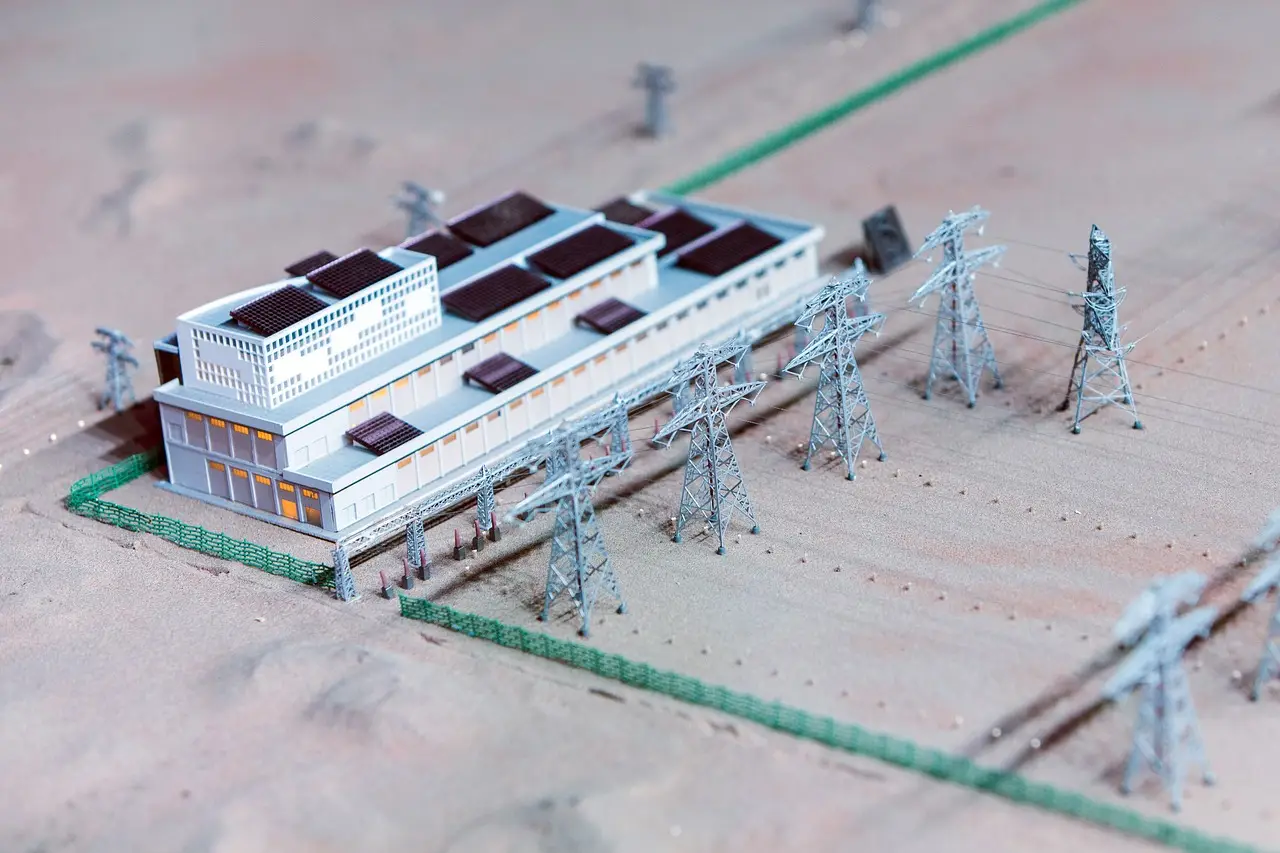
Russia now requires new cryptocurrency mining facilities to connect to the grid under an interruptible power-supply category. Government Resolution No. 1300, dated October 6, took effect on October 9. The rule covers equipment used for digital currency mining, participation in mining pools, and mining infrastructure operators.
What does Category IV mean for miners?
Category IV reliability lets the grid cut consumers without limits on frequency or duration. Russia introduced the category in February 2026 for users whose operations tolerate power cuts. Supply conditions set no guaranteed restoration deadline. In exchange, the category can open connections even in power-deficit regions, with customers accepting the interruption risk.
The Energy Ministry said the measure should prevent mining demand from creating electricity and capacity shortages for other consumers, according to Russian news agency PRIME.
Technical conditions
The framework sets hard thresholds:
- Maximum load above 5MW at the connection point, counting equipment already connected there
- Connection at 6kV or higher to switchgear at a grid facility rated 110kV or above
The system operator decides the maximum capacity that can be connected and can refuse technical approval where the grid cannot accommodate it. The amendments also remove the requirement for a separate external power-supply scheme for connections made permanently under Category IV.
What happens to existing applications?
Applications that fail the technical conditions, or concern territories where a mining ban also covers Category IV, are cancelled. Connection fees are settled against costs the grid company has already incurred, so cancellation or withdrawal does not guarantee a full refund.
Where regional restrictions exempt Category IV mining, those miners lose protection: the amendments give them priority for electricity cuts over other Category IV consumers during specified maintenance and emergency restrictions. Grid companies must include the full maximum load of Category IV connections in emergency-curtailment schedules.
The wider context
The measures follow earlier regional restrictions on mining demand. In September, DCD reported that Russia prohibited mining in Moscow, the surrounding region, and parts of Kursk through the end of 2032, citing pressure on electricity supplies.
The data center market shows strain of its own. Forbes Russia, using data from TechExpo and the Russian Federal Property Management Agency (PKR), reports that some 38 data center construction projects have been paused in the last three years, totaling some 128.6 billion rubles ($2.2bn) in value.
A total of 128 data center projects, representing around one trillion rubles ($13.28bn), were announced in that period. Nearly a third have stalled. That is despite Russia, and Moscow specifically, having very little vacant data center capacity available to customers.
The rule reshapes the economics of new mining operations. Miners gain access to capacity-constrained regions, but they carry the full risk of unlimited outages and sit first in line for emergency cuts.
via consultant.ru (Original)
More from Marcus Bennett
Show full bio
News editor covering regulation, policy and their impact on hardware layer of artificial intelligence at Die Signal.
516 articles
Same lot · LOT-C204
- DSG-17775nmFinland Plans to Drop First-Come, First-Served Grid Connections
- DSG-32383nmRussia Eyes Belarus, Kazakhstan for AI Data Centers as Power Grid Squeeze Deepens
- DSG-808114nmDenmark puts large data centers at back of grid connection queue
- DSG-753510nmGreece wants 60% renewable power mandate for data centers
- DSG-156720nmIsrael caps new data centers at 200MW and demands grid guarantees