Test report DSG-2750 · Rev E · tested November 17, 2026
Processors & AcceleratorsDevice under test
Nvidia unveils Rubin HPC GPU with over 50,000 CUDA cores
Nvidia's Rubin HPC GPU packs over 50,000 CUDA cores and NVLink Gen 7, built to speed agentic AI simulations in science and engineering workloads.
- Read
- 3 min
- Words
- 570
- Node
- 5nm
- Operator
- Marcus Bennett
Spec summary
- Rubin HPC features more than 50,000 CUDA cores
- The chip uses seventh-generation Nvidia NVLink interconnect for GPU-to-GPU connectivity
- It includes sparse data acceleration and a balanced design scaling compute and data movement together
- It targets sparse matrix operations, stencil computations, sorting and reductions
- The chip is part of the Vera Rubin platform
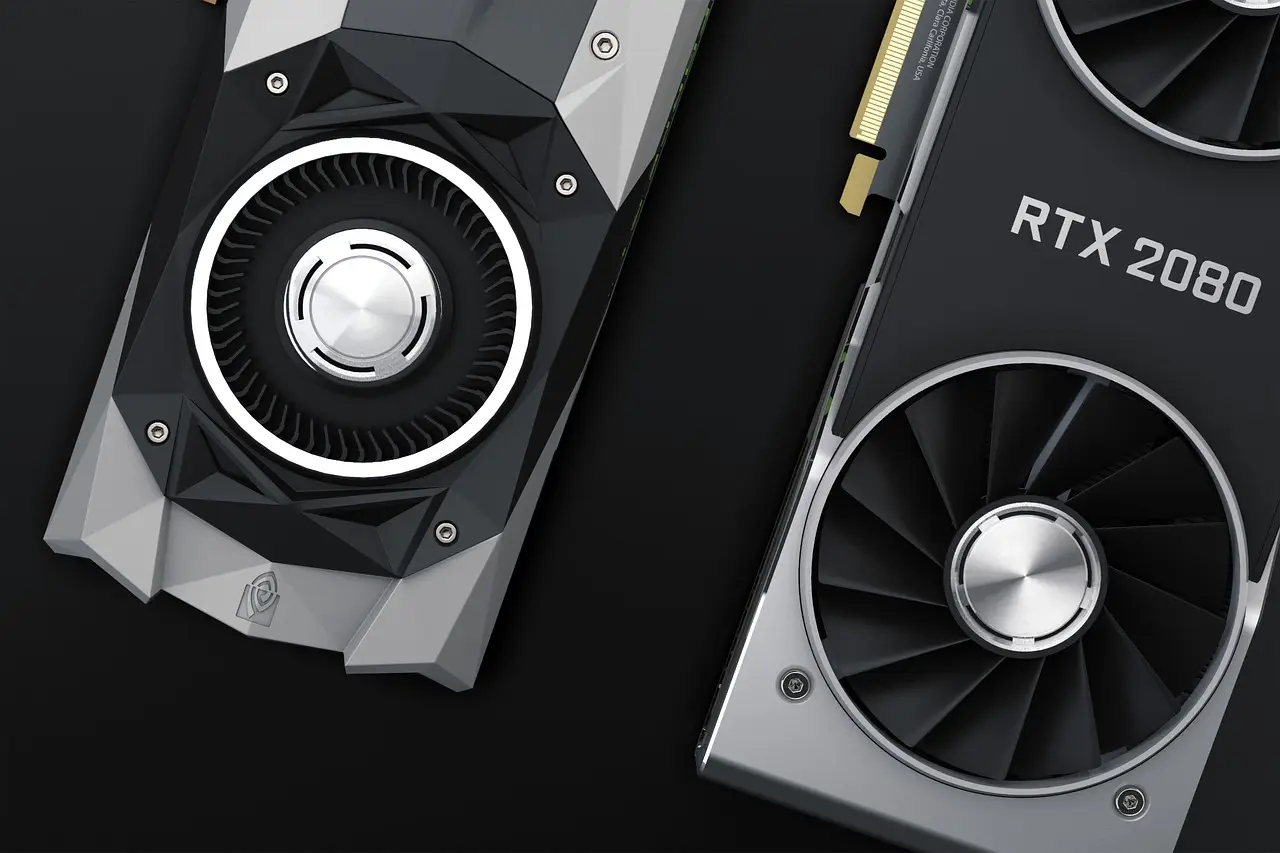
Nvidia has unveiled a GPU with more than 50,000 CUDA cores, named Rubin HPC, built to run agentic AI workloads in science, engineering and analytics. The chip sits inside the company's Vera Rubin platform and is aimed squarely at simulation and data processing jobs.
The announcement targets a specific bottleneck. Agentic AI systems run many simulations in sequence, testing ideas and using each result to pick the next step. Nvidia says Rubin HPC shortens the gap between exploration and results for exactly this loop. The company claims the chip accelerates the recurring patterns found in nearly every simulation workload.
What is inside the chip?
The headline specification is core count. Rubin HPC carries more than 50,000 CUDA cores, a figure Nvidia positions against the demands of large-scale scientific computing.
Beyond raw compute, the chip adds:
- A sparse data acceleration capability
- Seventh-generation Nvidia NVLink interconnect for GPU-to-GPU connectivity
- A design that scales data movement and compute together, rather than compute alone
That last point matters. Nvidia argues that adding compute capacity on its own does not speed up simulation. The chip uses what the company calls a "balanced design", one that grows bandwidth and processing power at the same rate, so neither side starves the other.
Which workloads benefit?
Nvidia lists the operation types the design targets. They include sparse matrix operations, stencil computations, sorting and reductions. These patterns recur across data analytics, science and engineering workloads, which is why the company treats them as the design baseline rather than niche cases.
The sparse data acceleration feature feeds the same goal. Many scientific simulations generate mostly empty data structures, and moving that data between GPUs efficiently is often the real limit on throughput. Pairing the acceleration with NVLink Gen 7 shortens the path between GPUs in a cluster.
What does this change for researchers?
Ian Buck, vice president of hyperscale and high-performance computing at Nvidia, framed the launch around speed of discovery. "For agents tackling science and engineering, faster simulation means faster discovery," Buck said.
He expanded on the mechanism: "Rubin HPC accelerates the simulations agents use to test ideas and guide their next steps, helping scientists and engineers explore more possibilities and bring breakthroughs closer."
The practical claim is coverage. If an agentic system tests hundreds of candidate designs or hypotheses, each test runs faster, so the loop completes sooner and explores more options within the same budget.
Why balance matters more than peak compute
Nvidia's design argument deserves attention because it breaks from the usual spec race. A GPU with enormous compute but limited data movement stalls on the memory-bound phases of a simulation, such as scatter-heavy reductions. By scaling NVLink bandwidth and sparse data handling alongside the 50,000-plus cores, Rubin HPC aims to keep every phase of a workload running near its limit, from dense linear algebra to irregular graph analytics.
For HPC buyers, the takeaway is a platform question rather than a chip question. Rubin HPC belongs to the Vera Rubin platform, and its value depends on how nodes link together at cluster scale, where NVLink Gen 7 carries traffic between GPUs.
Nvidia has not yet published full performance figures or availability dates for the part. What the company has set out is the architecture's direction: simulation built for agents, with data movement treated as a first-class citizen rather than an afterthought.
via datacenterdynamics.com (Source)
More from Marcus Bennett
Show full bio
News editor covering regulation, policy and their impact on hardware layer of artificial intelligence at Die Signal.
681 articles
Same lot · LOT-362D
- DSG-70383nmNVIDIA Confirms Rubin HPC: 50,000+ CUDA Cores, Landing in 2028
- DSG-62275nmNvidia's Rubin HPC: 50,000+ CUDA Cores, But the Specs That Matter Are Missing
- DSG-82995nmCoreWeave Puts NVIDIA Vera Rubin NVL72 Into Production
- DSG-831028nmAMD Buys Taalas to Add Model-Specific Silicon to Instinct Roadmap
- DSG-385010nmNvidia Puts AI Agents to Work Designing Its Own Chips