Test report DSG-3599 · Rev F · tested November 11, 2026
Supply Chain & PolicyDevice under test
Nvidia Probe Wipes Nearly $400 Billion as Board Backs Huang
Nvidia's board opened an independent probe into reports CEO Jensen Huang was targeted by foreign intelligence. Shares slid 8.8%, briefly erasing nearly $400 billion in value.
- Read
- 4 min
- Words
- 829
- Node
- 10nm
- Operator
- Elena Vasquez
Spec summary
- Nvidia shares fell as much as 8.8% on Bloomberg's report, temporarily erasing nearly $400 billion in market value.
- NVIDIA's board announced an independent investigation into reports Huang was targeted by a foreign-intelligence effort; Huang remains CEO.
- The board stated it has 'no reason to believe that either national security or Nvidia secrets were compromised.'
- A shareholder lawsuit was filed in federal court in San Jose, per NBC Bay Area.
- TSMC makes more than 90% of the world's most advanced chips, per the BBC.
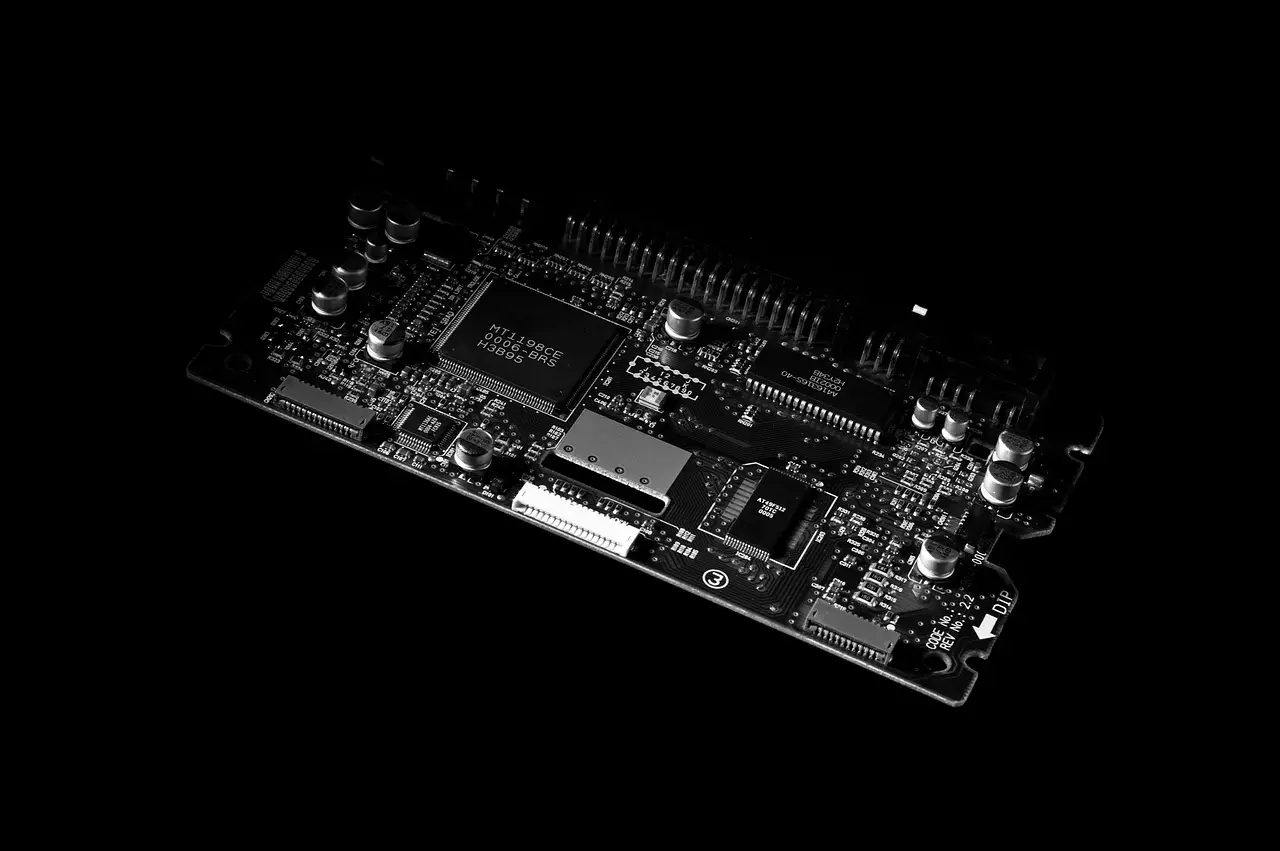
Nvidia shares fell as much as 8.8% and temporarily erased nearly $400 billion in market value after the company's board opened an independent investigation into reports that CEO Jensen Huang may have been targeted by a foreign-intelligence effort. That single-session swing, reported by Bloomberg, is roughly the annual economic output of a mid-sized European country — and it explains why a governance story at one chip supplier became an industry story overnight.
Here's what's confirmed so far, and what still isn't.
What did the board actually announce?
NVIDIA Corporation said its directors will run an independent investigation into the reports about Huang and a possible foreign-intelligence approach. The board offered two statements in its own words: it has "confidence in Jensen and his leadership team," and it had "no reason to believe that either national security or Nvidia secrets were compromised."
Both lines are reassurances, not findings. The review is pending, no timeline or scope was announced, and Huang remains CEO while it runs. A chief executive staying in the seat during an independent review signals directors see the allegations as unproven — but it also leaves the company exposed if new facts surface.
The trigger was a New York Times report involving Huang and a woman identified as Alice Huang, described as a former executive at Megaspeed. The most serious claim — that she was recruited by China's Ministry of State Security — remains an unconfirmed allegation. No charges have been reported, and the board itself says it sees no sign of a compromise.
How far did the stock actually fall?
The two reported figures don't match because they measure different moments:
- Bloomberg: shares fell as much as 8.8%, briefly erasing nearly $400 billion in market value — an intraday low.
- NBC Bay Area: a drop of more than 4%, amid broader AI-sector concern — a different point in the session.
Neither report is wrong. But note the word "temporarily": the value loss was a swing, not a permanent write-down. Still, a swing that size in one stock moves index funds, pension portfolios and corporate balance sheets. The wider AI-sector weakness NBC Bay Area described suggests investors were pricing more than one company's headline risk.
Why is Silicon Valley asking about dependence now?
Coverage from Koreabizwire and The Business Journals frames the episode as a test of Nvidia reliance across the industry. That framing is analysis, not measured fact — no share figure for that dependence exists in the record. But the structural point holds. Nvidia sits on a supply base where, according to the BBC, TSMC makes more than 90% of the world's most advanced chips. Customers lean on Nvidia; Nvidia leans on one foundry region. Even a buyer that diversifies chip designs may land on silicon built at the same plant.
The Ellison–Musk dinner has become shorthand for this chokepoint. Oracle co-founder Larry Ellison said he and Elon Musk sought additional GPU supplies from Huang at a September 2024 dinner in Palo Alto. Two of tech's most prominent figures asking one executive for more chips — that's a first-person account, not a documented transcript, and nothing connects it to the current investigation. It does show demand outrunning supply at the very top of the industry in 2024.
What about the lawsuit and succession?
NVIDIA also faces a shareholder lawsuit in federal court in San Jose, per NBC Bay Area. The allegations are unproven, and a filed suit is a claim — not a finding until a court rules, a settlement lands, or the case is dismissed. The two tracks (court and internal review) run independently, and a thorough, well-documented review helps the company in both arenas.
Commentators also raise the idea that Huang lacks a clear successor. That's a characterization, but key-person risk is real: when one executive embodies the strategy, investors discount for the chance he leaves or gets distracted. If the review clears Huang, the drawdown looks like an overreaction. If it finds problems, succession moves from commentary to boardroom agenda.
What changes for buyers and rivals?
Nothing in the confirmed record says Nvidia will stop shipping, change prices, or alter its roadmap. The practical fallout splits by audience:
- Hyperscalers and large labs hold big Nvidia fleets; expect contract language on supply continuity and accelerated talks with alternative suppliers.
- Startups mostly rent GPU time, so their exposure runs through the cloud provider. Portable code and a tracked chip mix are the sensible hedges.
- Rivals like AMD and Google's in-house TPU effort gain attention first and revenue later — switching costs and software ecosystems keep procurement cycles long.
Three signals will tell us more than any commentary: any board statement on scope and findings, movement in the San Jose lawsuit, and whether large buyers publicly change purchasing plans. Until then, treat the allegations as unproven — and the board's reassurance as a belief the investigation exists to test.
via shattered.io (Source)
More from Elena Vasquez
Show full bio
Senior reporter covering people, launches and day-to-day practice in hardware layer of artificial intelligence at Die Signal.
589 articles
Same lot · LOT-3627
- DSG-978745nmNvidia Board Opens Independent Probe Into CEO Jensen Huang
- DSG-51907nmNVIDIA Board Opens Independent Probe Into Huang Over Foreign Intelligence Reports
- DSG-304065nmNvidia Board Opens Independent Probe After Huang Memo, Spy Targeting Report
- DSG-287665nmNVIDIA Board Opens Independent Probe Into Huang Foreign-Intelligence Reports
- DSG-80967nmNvidia Board and Huang: Zero Votes, One Probe, One Confirmed Apology