Test report DSG-6526 · Rev A · tested November 11, 2026
Supply Chain & PolicyDevice under test
Nexperia's Interim CEO Says China Reunification Still Possible
Nexperia's interim CEO Stefan Tilger told Reuters in Munich that reunification with the company's Chinese operations remains possible — with no deal, price or timetable on the record.
- Read
- 4 min
- Words
- 707
- Node
- 10nm
- Operator
- Grace Kim
Spec summary
- Interim CEO Stefan Tilger said on November 10, 2026, that Nexperia BV could still reunite with its Chinese operations.
- Nexperia China has operated outside the company's governance framework since October 2025 — roughly 13 months.
- Tilger said Wingtech should be compensated fairly if a permanent split or sale process happens.
- Litigation involving Nexperia, Wingtech and Nexperia China is ongoing in Dutch and Chinese courts.
- Negotiations rest with Wingtech's board and two Dutch court-appointed officials, not the interim CEO.
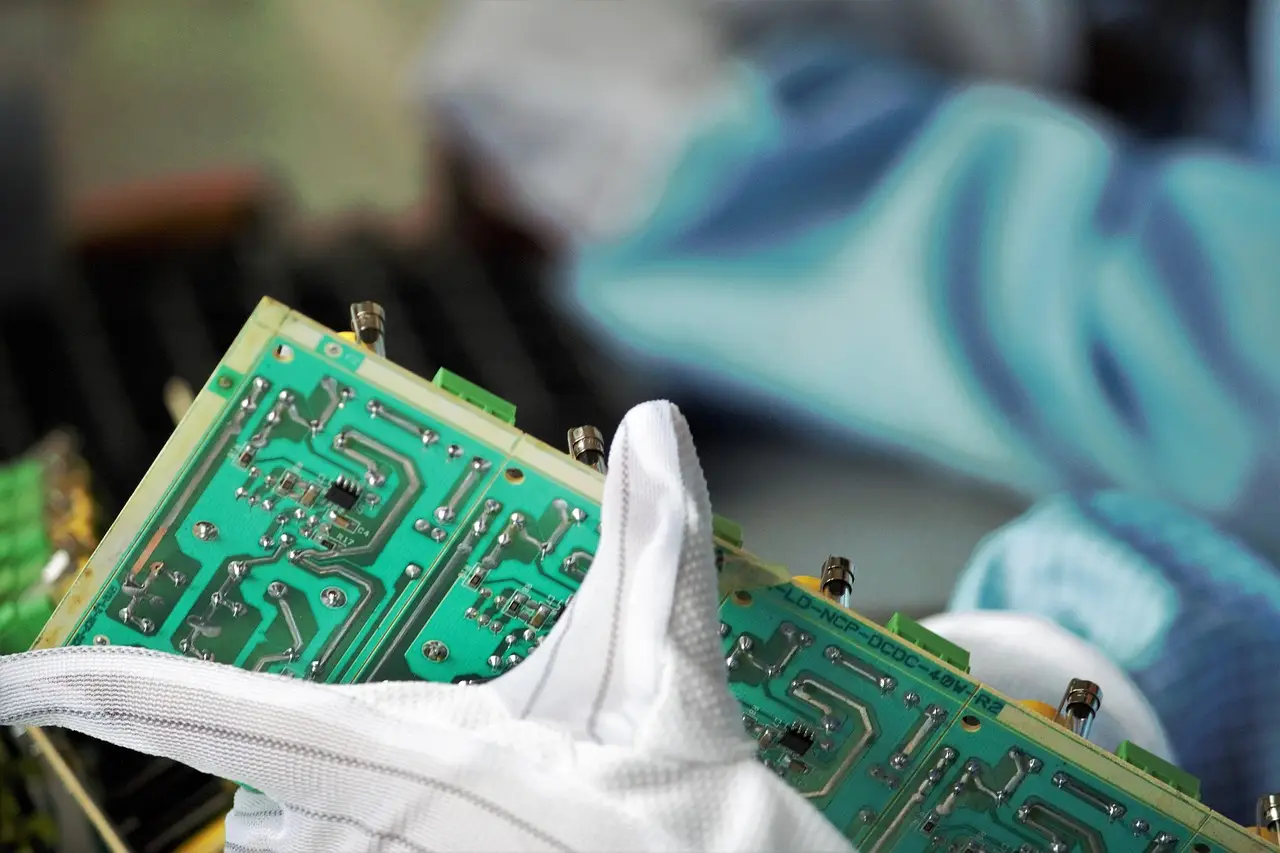
Nexperia BV could still reunite with its Chinese operations more than a year after the two sides split, interim CEO Stefan Tilger told Reuters on November 10, 2026, at the electronica 2026 trade show in Munich. The comment is a statement of possibility, not a deal. No date, no price, no structure.
Tilger delivered three messages, per Reuters. Reunification remains possible. If the split becomes permanent, Wingtech Technology — Nexperia's Chinese parent — should be compensated. And he believes Dutch and European authorities would accept a reunion provided Europe's economy and industry faced no risk.
He also drew a boundary around his own role. Negotiations on a long-term solution belong to Wingtech's board and two Dutch court-appointed officials, he said. The interim chief describes the outcome; he doesn't negotiate it.
What did Tilger actually say about compensation?
The sharpest remark concerned money. Reuters quoted Tilger on Wingtech's position: "They are the economic owner of the shares of the company, and they can't exercise control right now. But it doesn't mean, of course, that they shouldn't be compensated fairly if a sale process should happen."
Read closely, that quote does three things. It concedes Wingtech holds the economic interest. It admits Wingtech lacks control. And it ties compensation to a sale process — implying a sale of part of the business is one scenario under discussion. Tilger did not say a sale is planned.
How did the split develop?
The confirmed timeline is short. Reuters reported the two businesses have operated separately for more than a year following geopolitical tensions. Nexperia's own statement is more precise: Nexperia China has operated outside the company's established corporate-governance framework, under Wingtech's control, since October 2025.
That's roughly thirteen months — long enough for customers to rewrite qualification plans and for each half to build its own contracts, staff routines and supplier relationships. The longer a split lasts, the harder a clean reunion becomes.
The structure is unusual. Wingtech owns the equity but cannot exercise control. A parent that holds the shares yet cannot direct the business explains why the next step involves two court-appointed officials rather than a conventional board vote.
What does this change for buyers and investors?
Not much yet. What does it change for procurement teams, though? Mainly the risk picture. The governance gap — a unit operating outside the parent's rules for quality control, export compliance and financial reporting — raises the question of which legal entity stands behind a given part number. Regulated-industry buyers typically respond by demanding extra documentation or qualifying second sources.
Practical near-term steps are boring but effective: keep dual sources for critical parts, get written confirmation of which entity ships each part, and track the court calendar.
For investors, restraint is the word. No share-price move or customer announcement accompanies the remarks in the confirmed record. A reunification, a sale or a court ruling would each be a real catalyst. None has been announced.
What's happening in the courts?
Nexperia said litigation involving Nexperia, Wingtech and Nexperia China is ongoing in Dutch and Chinese courts. No case numbers, hearing dates or rulings are in the public record for this story. A two-front dispute risks colliding outcomes: a Dutch ruling on governance and a Chinese ruling on the Chinese entity could point in different directions — one reason a negotiated settlement looks attractive to everyone involved.
Tilger's caution while cases are live reads as deliberate. Everything stays conditional, from "could still reunite" to "if a sale process should happen."
What remains unconfirmed?
Four items, as of November 10, 2026:
- Reunification will happen — no source confirms it
- The split will become permanent — unconfirmed
- Any compensation amount or sale price — undisclosed
- Final approval from Dutch or European authorities — unconfirmed
Tilger's claim that authorities would accept a reunion is a belief, not an approval. No Dutch or European authority has confirmed any position. His "no risk to Europe's economy or industry" test is his reading of the political terrain, nothing more.
Until one of those four items moves, the story is a negotiating posture, not an outcome. Tilger has reopened a door. He hasn't walked through it.
via shattered.io (Source)
More from Grace Kim
Show full bio
Market editor covering regulation, policy and their impact on hardware layer of artificial intelligence at Die Signal.
565 articles
Same lot · LOT-3627
- DSG-81597nmChina Calls Chip Supply Chain Stability a Top Priority After Dutch Nexperia Ruling
- DSG-963110nmNvidia succession risk puts $600 billion of market value at play
- DSG-471065nmJensen Huang's Exit Forfeits $108 Million in Nvidia Equity
- DSG-72777nmNvidia Board Opens CEO Search, Weighs Interim Chief as Huang Faces Ouster
- DSG-584210nmNvidia at 12x Forward Earnings: Cheapest Since 2012, or Priced Fear?