Test report DSG-5114 · Rev A · tested September 29, 2026
Memory & StorageDevice under test
Netlist Seeks U.S. Import Ban on Micron Chips Used by Google, Nvidia
Netlist has asked U.S. trade authorities to block imports of Micron memory chips used in Google's AI infrastructure and Nvidia-based computing platforms.
- Read
- 3 min
- Words
- 666
- Node
- 7nm
- Operator
- Marcus Bennett
Spec summary
- Netlist seeks a U.S. import ban on Micron chips.
- The accused chips are used in Google's AI computing and in systems built around Nvidia technology.
- An exclusion order would block the products at the U.S. border, exposing AI memory supply lines.
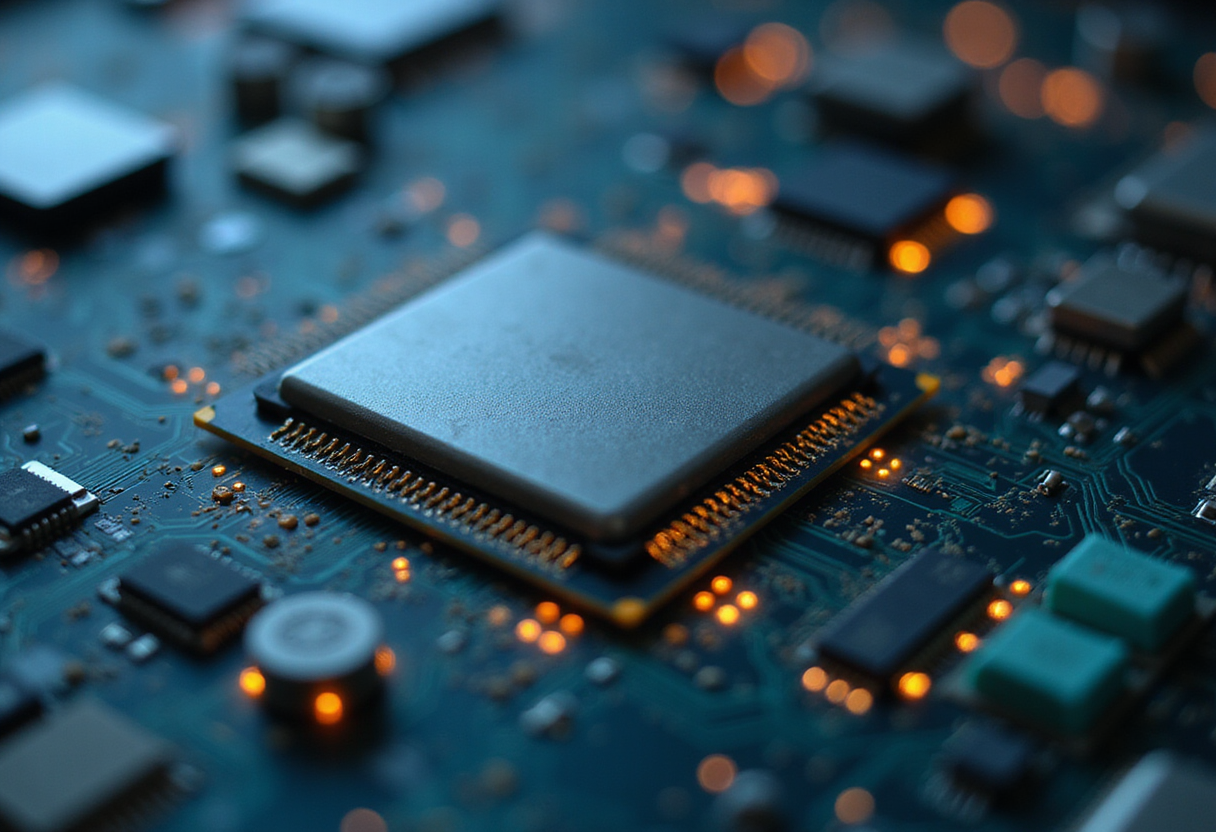
Netlist has asked U.S. trade authorities to block imports of Micron memory chips that end up in AI computing platforms operated by Google and built around Nvidia technology. The complaint targets the memory components at the heart of current AI infrastructure, not a niche peripheral product.
The move places Netlist's long-running intellectual property campaign against Micron directly in the path of the AI buildout. If the requested import ban takes effect, it would reach chips that Google deploys in its data centers and chips that feed computing systems associated with Nvidia — two of the largest consumption channels for high-bandwidth memory in the market today.
The filing seeks a U.S. import ban. That remedy, when granted, stops infringing products at the border rather than pursuing damages after the fact. For buyers of Micron memory, the distinction matters. An import exclusion order does not merely raise costs; it can sever supply outright.
Three companies sit at the center of the dispute. Netlist, the complainant, holds memory module patents and has pursued licensing and litigation to monetize them. Micron, the target, supplies memory chips that flow into servers and accelerators. Google and Nvidia appear in the case because their AI computing systems consume the accused products — Google in its own infrastructure, Nvidia in platforms that its technology powers.
The AI angle raises the commercial stakes considerably. Memory is a bottleneck component in AI systems. Training and inference workloads demand high-capacity, high-bandwidth memory, and the suppliers of that memory form a short list. Removing one supplier's products from the U.S. market, even temporarily, forces systems vendors to requalify alternatives, renegotiate allocations, and absorb schedule risk.
For Google, the exposure is direct. The company builds and operates AI infrastructure at global scale, and its data centers consume large volumes of server memory. An import ban on the accused Micron chips would touch that supply line.
For Nvidia, the connection runs through the computing platforms that pair its processors with memory from suppliers including Micron. AI accelerators depend on dense memory configurations; the accused products sit inside that dependency chain.
Netlist's decision to name the end-use — AI computing at Google and Nvidia — signals where the company believes the leverage lies. Patent disputes over memory technology have played out for years across courts and trade bodies. Framing the case around AI infrastructure puts the dispute in front of the fastest-growing demand segment in the semiconductor industry.
The requested remedy follows a familiar pattern in semiconductor intellectual property disputes: seek an exclusion order from U.S. trade authorities, force the accused supplier into settlement or licensing negotiations, and use the threat of a border block as leverage. Import cases move on a faster clock than district court litigation, which is precisely why patent holders favor them.
Micron now faces a procedural fight with commercial consequences that extend well beyond the two companies. Any interruption in the flow of its memory chips into the United States would ripple through server manufacturers, cloud operators, and AI platform builders who source components from the company.
The case also illustrates a broader reality of AI supply chains. The compute layer attracts the attention, but memory suppliers, module designers, and patent holders all occupy positions from which they can extract value — or disrupt operations. Netlist's complaint is the latest reminder that intellectual property claims can reach into the physical infrastructure of AI even when the patent holder sells no competing product at scale.
What happens next depends on the trade body's process: an investigation, determinations on whether the accused chips infringe valid patents, and ultimately a decision on whether an exclusion order serves the public interest — a standard that weighs shortages and competitive harm against patent rights.
For now, the AI computing supply chains that serve Google and Nvidia have a new variable. Netlist has put Micron's chips, and the systems that depend on them, into the path of a U.S. import ban.
via Google News: AI chip (Source)
More from Marcus Bennett
Show full bio
News editor covering marketplaces and e-commerce at Die Signal.
58 articles
Same lot · LOT-C1BA
- DSG-60645nmNetlist Seeks US Import Ban on Micron Memory Chips
- DSG-10543nmNetlist asks ITC to block Micron AI memory chip imports
- DSG-725045nmNetlist Files New ITC Patent Action Against Micron Over HBM Tech
- DSG-56705nmNetlist HBM Import Complaint Filed on Eve of Micron Earnings
- DSG-247165nmCalifornia Man Charged in $300 Million Nvidia AI Chip Smuggling Case