Test report DSG-6088 · Rev E · tested November 4, 2026
Memory & StorageDevice under test
Microsoft's apparent PC roadmap makes 16GB the Copilot+ memory floor
An unconfirmed Microsoft slide places Ryzen AI 500 and Core Ultra Series 4 in a memory-led Copilot+ matrix, with 16GB set as the apparent floor for local AI features on Windows PCs.
- Read
- 3 min
- Words
- 554
- Node
- 65nm
- Operator
- Marcus Bennett
Spec summary
- The apparent Copilot+ floor is 16GB, with additional bands at 32GB, 64GB and 128GB.
- HXL posted the Microsoft-attributed slide on X on Tuesday; it carries a CY26-27 label.
- Ryzen AI 500 and Core Ultra Series 4 are reported as 2027 chips, and neither maker has announced them.
- At 64GB and 128GB, the listed hardware is Ryzen AI Max+ 400, RTX Spark and an unnamed Core Ultra Next.
- Microsoft and Qualcomm stopped labeling new devices Copilot+ PCs in September, though the slide retains the tier.
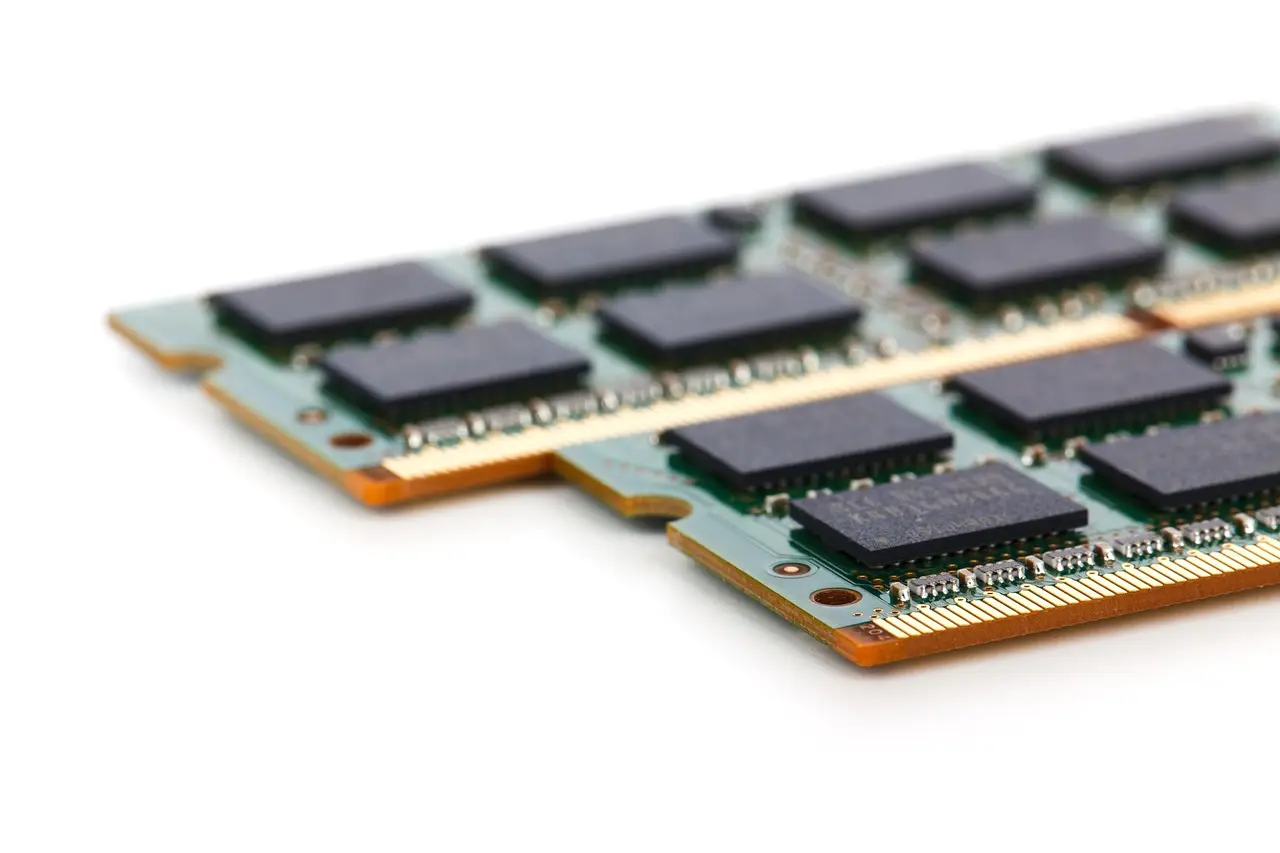
Microsoft's apparent PC roadmap makes 16GB of memory the threshold for Copilot+ features, above its own 8GB Surface models from June.
Neither AMD nor Intel has formally announced the next wave of laptop chips shown there. A slide attributed to Microsoft was posted on X by known leaker HXL on Tuesday, placing Ryzen AI 500 and Core Ultra Series 4 in the mainstream Copilot+ class. Microsoft's slide states: "Windows is the home for hybrid intelligence."
The roadmap divides PCs by memory
The slide sorts Windows PCs into four broad AI tiers across a scale running from 8GB to beyond 128GB. Chip names sit below the scale in smaller labels, but those footnotes determine what each memory band can do.
Within Copilot+, Microsoft divides the tier into three operational bands:
- 16GB: quick local questions.
- 32GB: delegated tasks.
- 64GB: long-running jobs.
Core Ultra Series 3 and 4 occupy the first two bands, next to Ryzen AI 400 and 500. At 16GB, the band targets quick local questions. At 32GB, it covers delegated tasks. The 64GB band supports long-running jobs.
At 64GB, the listed mainstream entries disappear. Microsoft instead lists Ryzen AI Max+ 400, Nvidia's RTX Spark and an unnamed Intel "Core Ultra Next." The same trio appears in the 128GB Builder PC tier, aimed at building and serving models locally.
Beyond 128GB, a Supercomputer tier covers desk-side machines intended to run frontier models.
The chip schedule remains unconfirmed
The "CY26-27" label beside the chip list gives only a rough launch window. Separate leaks identify Core Ultra Series 4 as Intel's Nova Lake and Ryzen AI 500 as AMD's Zen 6-based Medusa Point. Both chips are reportedly due in 2027. No formal AMD or Intel announcement confirms those names or dates.
At 8GB, a laptop falls into the plain "Windows PC" tier regardless of its processor. That tier permits local context and basic actions only. It includes Microsoft's own 8GB Surface models from June. The processor does not lift the machine into Copilot+.
Microsoft and Qualcomm said in September that they had stopped calling new devices Copilot+ PCs. The slide nonetheless keeps Copilot+ as its largest tier label.
The software promise remains conditional
The slide's wording matches a Microsoft push started last month with the RTX Spark-powered Surface Laptop Ultra. On Copilot+ PCs, Copilot will eventually read local files, take actions and tap on-device models. Those functions remain tied to the memory bands rather than processor performance alone.
What does this change for PC buyers?
Check RAM before the chip. A fast NPU alone will not unlock Copilot+ features without at least 16GB backing them. For buyers, a processor badge cannot substitute for the required memory configuration. For vendors, the matrix sets a 16GB entry specification and separates local assistance, delegated work, model building and frontier-model computing into different hardware classes.
Memory pricing adds a second constraint. Extra memory has grown more expensive this year as AI data centers absorb supply. That 16GB floor can raise the cost of entry into Copilot+ as manufacturers meet higher memory requirements.
The practical result is a segmented market with clear memory points at 16GB, 32GB, 64GB and 128GB. The slide also gives AMD and Intel a shared Copilot+ reference point without confirming either processor roadmap.
via Google News: AI PC chip (Source)
More from Marcus Bennett
Show full bio
News editor covering regulation, policy and their impact on hardware layer of artificial intelligence at Die Signal.
591 articles
Same lot · LOT-360B
- DSG-471845nmMicrosoft unveils Nvidia-powered AI laptop in Copilot+ push
- DSG-839545nmAI Memory Roadmaps Split: Microsoft's Maia 300 Drives HBM4, Intel Backs LPDDR5X
- DSG-950514nmMicrosoft Lifts HBM Bandwidth 2.5x in Maia 300 Accelerator
- DSG-45077nmSamsung and AMD Demo Memory Expansion to Ease AI Bottleneck
- DSG-43765nmMicrosoft unveils Maia 300 as its most powerful AI chip to date