Test report · tested November 16, 2026
AI Datacenter InfrastructureDevice under test
Luminal raises $25 million to expand cross-chip AI inference
Luminal raised $25 million in a Series A led by Standard Capital. Its inference cloud, launched in November 2025, now processes about 90 trillion tokens per month.
- Read
- 3 min
- Words
- 587
- Segment
- AI Datacenter Infrastructure
- Operator
- Amara Osei
Spec summary
- $25 million Series A round was led by Standard Capital.
- Seed investors Y Combinator, Felicis, SagaVC and Liquid 2 joined the round.
- Luminal launched its inference cloud in November 2025 after a $3.5 billion seed round.
- The cloud processes approximately 90 trillion tokens per month.
- A large portion of those tokens runs on Amazon Trainium chips through the AWS partnership.
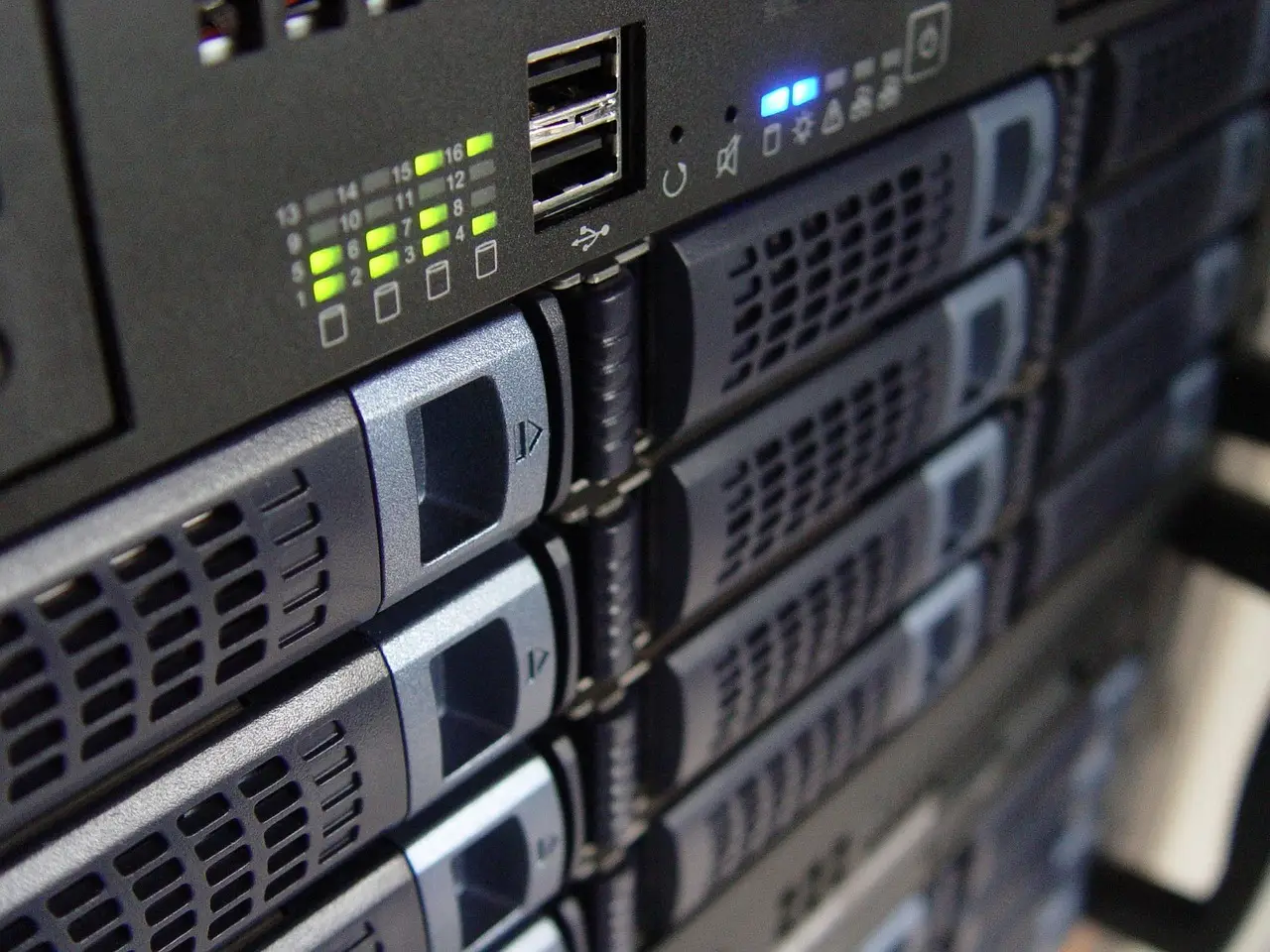
Luminal has raised $25 million in a Series A funding round led by Standard Capital, with all of the AI cloud startup's seed investors joining: Y Combinator, Felicis, SagaVC and Liquid 2.
The company launched its inference cloud in November 2025 after a $3.5 billion seed round. It now processes approximately 90 trillion tokens per month and operates as an Amazon Web Services partner, having committed a large portion of those tokens to run on Amazon's Trainium chips.
Joe Fioti, co-founder and CEO of Luminal, said the company started by building in the open on GitHub as AI adoption took off, which exposed demand for more efficient model execution across different hardware.
He said: “The cost of running AI shouldn’t limit who gets to build it. We’re building the infrastructure to make high-performance inference more accessible, giving developers more choice beyond Nvidia's ecosystem without forcing them to compromise on speed or cost.”
Dalton Caldwell, managing partner of Standard Capital and a former managing partner at Y Combinator, said: “Inference is the most important market in the world right now, not to mention the fastest-growing.”
He cited Luminal's technical expertise and demonstrated ability to extract performance from heterogeneous hardware, including: “Luminal's ability to get the most out of GPUs that have already been purchased and powered is incredibly high leverage.”
How does Luminal's search compiler work?\n
Luminal's search compiler systematically tests mathematically equivalent ways to run a model on a given chip and selects the fastest option. Once optimized, the result can be reused for the same model and chip combination.
The company pairs that process with its inference cloud to optimize models for GPUs and support hardware beyond Nvidia. Reuse remains specific to the model-and-chip pairing: a result selected for one chip does not automatically apply to another.
Within that pairing, subsequent runs can draw on the earlier optimization. Luminal developed its initial open-source build on GitHub as demand for efficient AI execution increased.
Each model-and-chip pairing can keep the fastest tested execution setup.
Where is Luminal's inference workload running?\n
Luminal's reported monthly load is approximately 90 trillion tokens, and a large portion runs on Amazon Trainium chips under the company's AWS partnership. This puts part of the startup's inference activity on hardware beyond Nvidia, consistent with its goal of widening developers' hardware choices.
Caldwell's focus on GPUs already purchased and powered points to the commercial value Standard Capital sees in improving the use of existing hardware. Luminal applies the same principle through its search process: equivalent execution options are tested, the fastest is selected, and that setup can be reused for the same model on that chip.
Trainium already carries a large portion of Luminal's monthly token processing.
What will the $25 million fund?\n
Luminal will use the new capital to advance development of its offering and expand support for models and hardware. The company will develop the search compiler and inference cloud further while broadening the range of models the system can optimize and the chips on which it can run.
The Series A follows Luminal's $3.5 billion seed round and comes after the November 2025 launch of a cloud already processing roughly 90 trillion tokens per month.
The $25 million round gives Luminal funding to widen model and hardware support for an inference cloud already processing about 90 trillion tokens a month.
via datacenterdynamics.com (Source)
More from Amara Osei
Show full bio
Staff writer covering money, funding and market shifts around hardware layer of artificial intelligence at Die Signal.
793 articles