Test report · tested November 23, 2026
Edge AI SiliconDevice under test
KT, K-water plan physical AI tests at dams, treatment plants
KT and K-water will test physical AI at dams and treatment plants, linking AI with onsite equipment before validating commercial potential and pursuing overseas markets.
- Read
- 3 min
- Words
- 590
- Segment
- Edge AI Silicon
- Operator
- Grace Kim
Spec summary
- KT and K-water signed a physical-AI MOU on the 23rd at KT's Daejeon headquarters.
- Technology demonstrations are planned at actual water treatment plants and dams.
- The planned system will integrate varied equipment with existing water-management facilities.
- KT has worked on K-water's digital platform since last year and plans company-wide AI services this year.
- A mid- to long-term physical-AI plan has been under preparation since August; field results will precede overseas market entry.
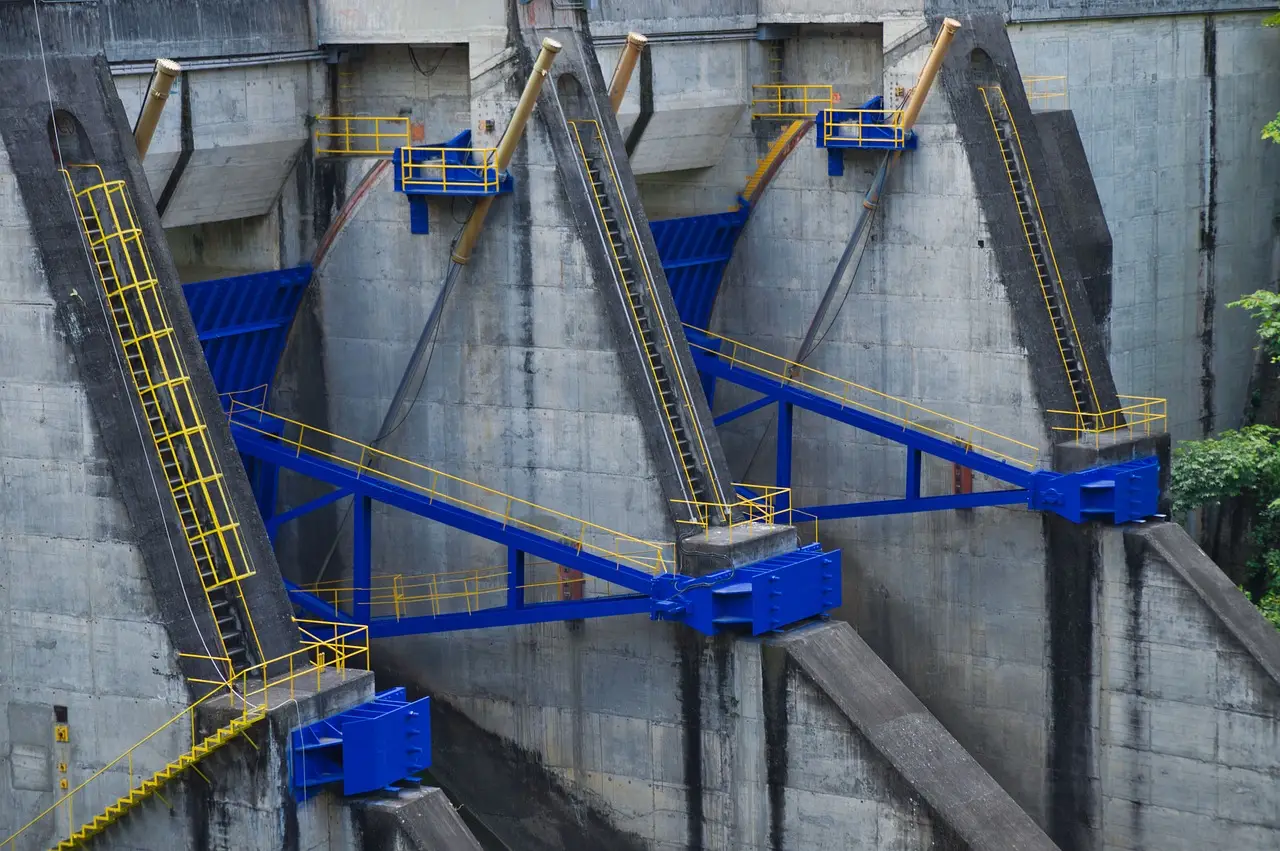
KT said it signed a memorandum of understanding with Korea Water Resources Corporation (K-water) on the 23rd to develop physical AI for water management, with demonstrations set for treatment plants and dams.
The agreement was signed at KT's headquarters in Daejeon. It links physical AI (AI systems that analyze facility data and coordinate with physical equipment) to K-water's existing digital water-management platform. The stated objectives are higher operating efficiency and safer operation of onsite equipment.
Both companies will develop methods for applying physical AI specifically to water management. The program has three stated workstreams:
- Develop physical-AI applications tailored to water management.
- Run technology demonstrations at actual sites, including water treatment plants and dams.
- Jointly establish data standards and an operating model for physical AI in water management.
Integration is the core requirement. KT and K-water plan to build a system capable of integrated operation across different equipment types and existing water-management facilities.
KT will bring its AI data center (AIDC), edge AI (processing near the operating site), network and platform technologies into the water-management environment. The technical aim is to analyze data generated onsite with AI and operate it in conjunction with equipment already installed at dams and treatment plants.
That approach extends work KT has already started with K-water. The company has carried out K-water's digital-platform project since last year and plans to launch company-wide AI services for K-water this year. Since August, KT has also been drawing up a mid- to long-term plan for introducing physical AI.
What does this change for K-water's facilities?
The immediate change is a route from KT's digital platform into the operation of physical assets at real facilities. The planned demonstrations will test how site-generated data and AI-assisted operation connect with existing equipment at treatment plants and dams.
The agreement also addresses what wider deployment would require. Joint development of data standards and an operating model gives the companies a framework for using physical AI across different equipment and existing management systems, rather than treating each installation as a separate exercise.
For KT, the partnership packages its AIDC, edge, network and platform capabilities for infrastructure operations. For K-water, it creates a path from digital management to AI-assisted operation of physical assets. The two lines of work now share one program and one set of field results.
Field tests come first. Commercial proof comes later. Based on the demonstration results, KT and K-water intend to verify the technology's commercial potential and pursue entry into overseas water-management markets. The domestic trials will provide the evidence for that decision.
KT's immediate work remains the company-wide AI-service rollout planned for this year. Its mid- to long-term physical-AI plan, under preparation since August, supplies the framework for site integration and commercial evaluation.
Overseas expansion comes after field validation in the stated sequence. KT and K-water will use the results to determine whether the integrated model has commercial potential before pursuing overseas water-management opportunities. The practical test is whether AI can work with varied onsite equipment under a shared data and operating framework.
For water operators, the sequence matters. Site demonstrations come first; standard-setting and an operating model follow alongside them; commercial validation and overseas market entry come last. The MOU gives KT and K-water a defined collaboration path, but the field performance will determine how far physical AI travels beyond the initial facilities.
via en.sedaily.com (Source)
More from Grace Kim
Show full bio
Market editor covering regulation, policy and their impact on hardware layer of artificial intelligence at Die Signal.
749 articles