Test report DSG-9639 · Rev F · tested November 9, 2026
AI Devices & SystemsDevice under test
Samsung Ships GC85A Fit, a Ceiling-Mounted AI X-Ray System
Samsung's GC85A Fit ceiling X-ray cuts pediatric radiation dose up to 45% and adds AI positioning, motion alerts and sensor-free exposure control. Evidence remains thin.
- Read
- 3 min
- Words
- 547
- Node
- 14nm
- Operator
- Priya Raman
Spec summary
- Samsung launched the GC85A Fit ceiling-mounted digital X-ray system on the 9th.
- Pediatric radiation dose is cut by up to 45% versus previous models.
- Smart Auto Exposure Control regulates dose in software, without an external sensor.
- Vision Assist allows remote patient monitoring from outside the exam room.
- The modular design lets hospitals mix rails, tables and detectors to fit budget.
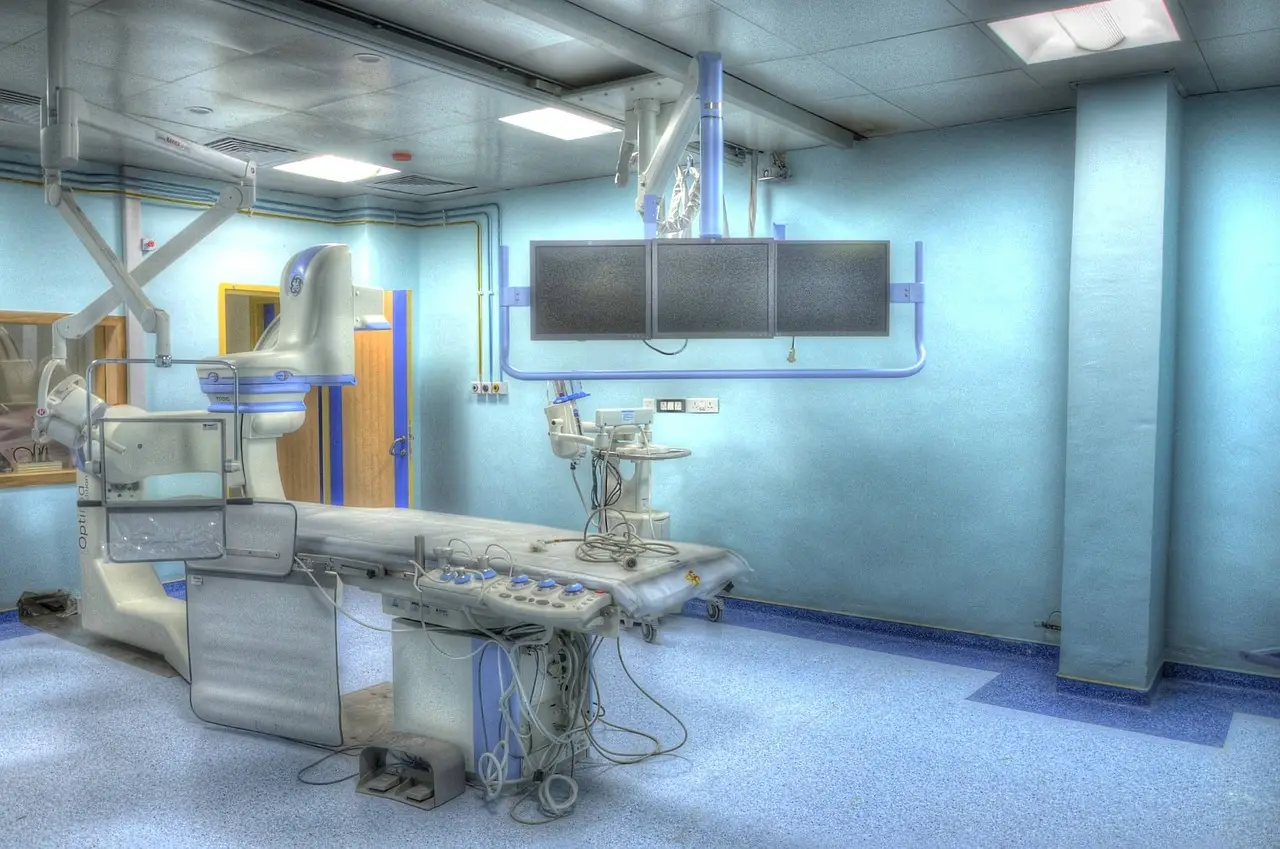
Samsung Electronics (005930.KS) launched the GC85A Fit on the 9th, a ceiling-mounted digital radiography (X-ray imaging) system with new AI functions and a claimed pediatric radiation dose reduction of up to 45 percent versus previous models. The announcement described features and design intent. It did not include validation data, launch markets, pricing, or hospital contracts.
What does the new system actually do?
Three AI functions anchor the specification sheet. Vision Assist, an AI camera solution, lets medical staff monitor patient positioning from outside the examination room and adjust the camera remotely. This matters for radiation hygiene: technologists can correct posture without re-entering the room.
AI Motion Alarm detects slight patient movement during exposure and issues an immediate alert, which should cut retakes caused by motion blur. Samsung did not quantify the expected retake reduction or the detection latency.
Smart Auto Exposure Control (S-AEC) regulates radiation dose through software alone, without a separate external sensor, while aiming for high-quality images at low dose. The company also cites noise-reduction technology that raises image resolution while lowering exposure. No dose values, phantom test results, or comparison baselines accompanied the claim.
How much radiation is saved?
The one hard number in the release is pediatric. For children, Samsung cut the dose by up to 45 percent from previous models. The word "up to" carries weight here. The figure likely reflects a best-case examination type, not an average across protocols. Samsung did not state which pediatric exams produced the 45 percent figure, nor which prior model served as the baseline.
Why modular, and why ceiling-mounted?
The GC85A Fit uses a modular design. Hospitals can combine ceiling rails, examination tables and detectors selectively to match their space and budget. For facilities with cramped rooms, the ceiling-mounted configuration frees floor area that mobile systems occupy. Samsung did not publish component pricing or configuration minimums.
The company also applied an ergonomic design philosophy it calls Neo Dynamics, intended to reduce the operating burden on radiologic technologists and shorten patient flow during examinations. No workflow study, time-per-exam measurement, or technologist trial data appeared in the announcement.
What did Samsung say?
Yoo Kyu-tae, head of Samsung Electronics' medical device division, framed the product as a response to clinical constraints rather than a technology showcase. He said: "The GC85A Fit is an innovative product that resolves the spatial constraints and workflow inefficiencies of clinical settings in the most reasonable way, while maintaining high-quality imaging and smart diagnostic solutions."
He added: "It will provide medical staff with a comfortable imaging environment that eases operating fatigue and offer patients low-dose examinations, contributing to improved care competitiveness at a range of medical institutions."
Both statements promise outcomes. Neither is supported by cited clinical evidence in the release.
What remains unanswered?
The announcement omits several items a buyer would need. There is no regulatory clearance information, no launch geography, no availability date beyond the 9th, and no pricing. The dose-reduction claims lack peer-reviewed or third-party verification. Samsung's medical device division competes against established radiography incumbents, and the release names no comparison systems.
For hospital procurement teams, the GC85A Fit presents a plausible specification set. Verification will require site data, not a press release.
via en.sedaily.com (Source)
More from Priya Raman
Show full bio
Correspondent covering money, funding and market shifts around hardware layer of artificial intelligence at Die Signal.
573 articles
Same lot · LOT-3610
- DSG-92437nmSamsung's Intelligent Eyewear Preorders Open on the 12th
- DSG-639714nmGoogle Unveils Edge AI Chip That Cuts Power Use 40% for Wearables
- DSG-271528nmIntel Launches Industrial Edge AI Processors and Healthcare AI Suite
- DSG-91945nmFCC bans first two devices under chip-level security rule
- DSG-787010nmSamsung SDI Takes Third Straight CES Innovation Award for UPS Battery