Test report DSG-3437 · Rev B · tested October 10, 2026
AI Datacenter InfrastructureDevice under test
Intel Datacenter Revenue Climbs 59% on AI Host Demand
Intel's Data Center & AI group posted $6.26B in Q2 2026 sales, up 59% YoY, driven by CPU demand for agentic AI workloads. Operating profit climbed 3.9x to $2.47B.
- Read
- 3 min
- Words
- 669
- Node
- 5nm
- Operator
- Elena Vasquez
Spec summary
- Intel DCAI group posted $6.26B in Q2 2026, up 59% year over year and 24% sequentially
- DCAI operating profit reached $2.47B, a 3.9x increase at 39.5% of revenue
- Intel Foundry revenue hit $5.77B with a $2.09B operating loss, 34% smaller year over year
- 14A risk production is slated for 2H 2027 with a 2028 high-volume ramp commitment
- Custom silicon business is at a $2B run rate, projected at $4B against a $100B TAM
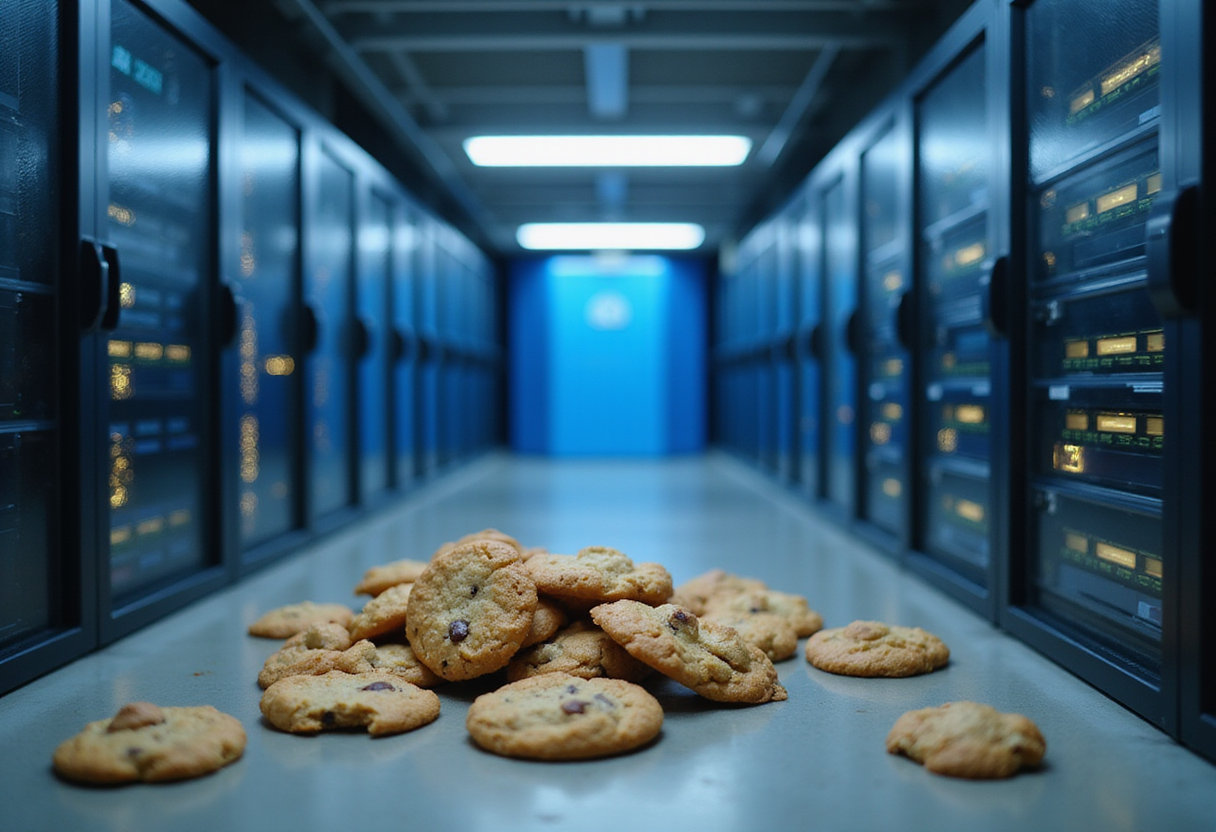
Intel's Data Center & AI group booked $6.26 billion in Q2 2026, up 59% year over year and 24% sequentially, as demand for CPUs that host agentic AI workloads pulled the chipmaker's server business to its strongest quarterly growth in fifteen years.
What is driving the server CPU rebound?
Agentic AI sandboxes run Python-based tasks on CPU clusters rather than tokens on GPUs. That workload profile requires strong cores, high I/O, and ample memory bandwidth — exactly what server CPUs supply. Hyperscalers and cloud builders have run short of capacity, and all server CPUs are scarce alongside DRAM and flash. Intel's resurgence owes more to that supply squeeze than to product design under its last three CEOs — Brian Krzanich, Bob Swan, Pat Gelsinger — or current chief Lip-Bu Tan.
How did the segment perform?
The DCAI group posted operating profit of $2.47 billion, a 3.9x increase year over year and 39.5% of revenue. Intel has not matched that profitability level in five years, though margins remain below the 45–50% range the Data Center Group ran at between 2009 and 2015, when x86 dominated server shipments worldwide. The segment's prior peak came in Q2 2020, at $9.06 billion in revenue and $3.43 billion in operating income.
What's happening at Intel Foundry?
Foundry revenue hit $5.77 billion, up 30.5%, driven by Intel's own desktop and server parts ramping in volume. The group still posted a $2.09 billion operating loss, 34% smaller than a year ago. External foundry customers contributed $293 million of that total in Q2.
Key process milestones from the quarter:
- 18A ramp ran 25% above Intel's target, up more than 50% versus Q1 2026
- Yield improvements recorded on Intel 4, Intel 3, and 18A nodes
- 18A-P high-performance variant advancing
- 14A risk production slated for internal products in 2H 2027; high-volume ramp committed for 2028
Where does the custom silicon opportunity sit?
Intel's custom processor and IPU business carried a $2 billion annualized run rate entering late Q2. Chief financial officer David Zinsner projected a $4 billion run rate "in the not too distant future," against a $100 billion total addressable market for custom chips. The segment supplies bespoke CPU and IPU designs to hyperscalers that want silicon tailored to their infrastructure.
What gaps remain?
Intel still lacks an AI inference accelerator that can match Nvidia GPUs or Groq LPUs for low-latency work. A partnership with SambaNova covers part of that gap; Tan chairs the company alongside his Intel role. SambaNova closed a $1 billion Series F round three weeks before the earnings call, lifting its valuation to $11 billion — half the cost of a modern foundry. Nvidia paid $20 billion to acquihire Groq's LPU team, which priced SambaNova out of Intel's reach.
What did management say?
Tan told Wall Street on the Q2 call: "We continue to build out and validate the IP portfolio for 14A as we position the 14A family for broad-based adoptions across a wide range of customers. I am pleased to see the increasing momentum on customer engagements for Intel 14A, and I am increasingly confident that the 14A will be highly competitive process offering across key vectors of performance, power, density, cost, and schedule."
He added that Intel remains "on track for 14A risk production for our internal products in second half of 2027" and committed in Q2 to a 2028 high-volume ramp.
What role does packaging play?
EMIB-T extends Intel's revenue reach. TSMC cannot make enough CoWoS-L capacity to satisfy demand, and Intel's embedded multi-die interconnect bridge technology can step in for chiplets fabricated at TSMC that require advanced packaging. The earlier EMIB generation stitched 47 chiplets across five process nodes onto the Ponte Vecchio GPU; that design proved fussy in production. Intel 18A combined with EMIB-T now gives the company a credible second-source pitch to TSMC's overflow customers.
via The Next Platform (Source)
More from Elena Vasquez
Show full bio
Senior reporter covering industry trends and analytics at Die Signal.
251 articles
Same lot · LOT-C1C6
- DSG-285520nmSamsung Reports 783% Profit Jump to Record $80 Billion
- DSG-79205nmTSMC Posts NT$511.86 Billion September Revenue, Up Over 50% Year-On-Year
- DSG-120110nmArm Outsells X86 in AI Servers as Spending Hits $89.7 Billion
- DSG-905728nmTSMC Posts Record Revenue, Up 50%, on AI Chip Demand
- DSG-621428nmTSMC Posts Quarterly Revenue Record as AI Chip Demand Drives 50% Surge