Test report DSG-8412 · Rev A · tested October 8, 2026
Memory & StorageDevice under test
HBM Prices Set to Double as Memory Shortage Fuels Samsung Profits
HBM prices are set to double as a memory shortage tightens supply across the DRAM market, driving a profit surge at Samsung, the Seoul Economic Daily reports.
- Read
- 3 min
- Words
- 516
- Node
- 3nm
- Operator
- Grace Kim
Spec summary
- HBM prices are projected to double, the Seoul Economic Daily reports
- A memory shortage is driving a profit surge at Samsung
- The shortage extends across the broader DRAM market, not only HBM
- AI infrastructure demand is concentrating memory supply pressure on HBM
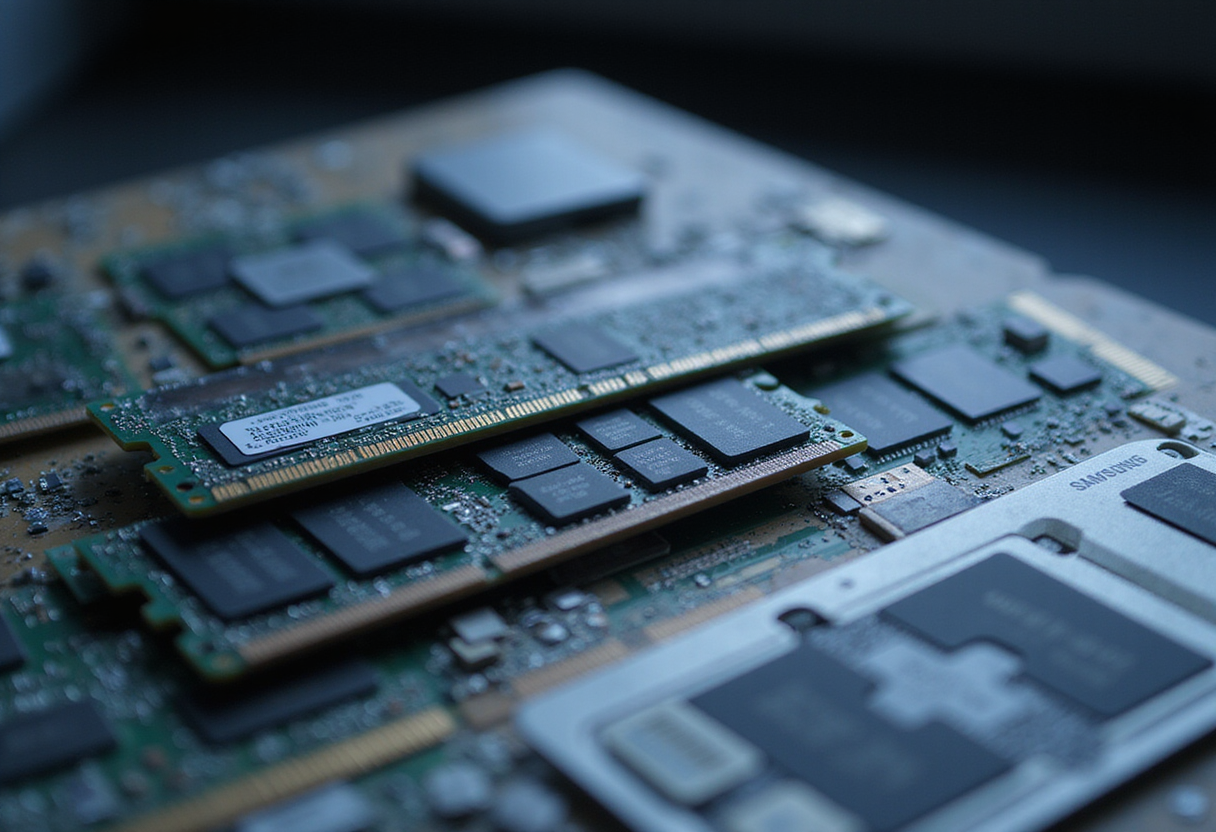
High-bandwidth memory (HBM) prices are on track to double, according to a report from the Seoul Economic Daily, as a broader memory shortage drives a surge in profit at Samsung.
The projected price increase marks one of the sharpest adjustments in the memory segment in recent cycles. HBM, the high-throughput DRAM variant used in AI accelerators and datacenter hardware, sits at the center of current supply constraints. Demand from AI infrastructure buildouts continues to absorb available capacity, tightening the market for related memory products as well.
Samsung, the largest memory producer by revenue, stands to benefit directly. The Seoul Economic Daily reports that the shortage is driving a profit surge at the company, as pricing power shifts to suppliers with allocated HBM and conventional DRAM output.
What does the price doubling mean for buyers?
A twofold increase in HBM pricing raises the bill of materials for AI accelerators, graphics processors and server platforms that depend on stacked memory. Purchasing teams that locked contracts earlier in the cycle face renewal terms that reflect the new level. Those negotiating now encounter a market where supply, not price, is the binding constraint.
The shortage extends beyond HBM itself. Capacity dedicated to HBM production pulls wafer allocation from standard DRAM lines, tightening conventional memory supply and supporting price increases across the broader DRAM market. The result is a compound effect: premium pricing on HBM and rising baseline prices on the memory products that surround it.
Why is Samsung's profit surging?
Samsung operates the industry's largest memory manufacturing base. When prices double on a constrained product line, incremental output converts to revenue at materially higher margins. The Seoul Economic Daily's reporting links the profit surge directly to the shortage dynamics rather than to volume growth alone.
The pattern follows previous memory cycles: constrained supply, firm pricing, and expanding supplier margins, followed — eventually — by capacity additions that rebalance the market. The current cycle's distinguishing feature is the concentration of demand in AI-related memory, which has shifted the product mix toward HBM faster than earlier transitions.
What happens next?
Pricing outcomes depend on capacity expansion timelines and on whether AI infrastructure demand continues at its current pace. For now, the reported trajectory points to:
- HBM prices doubling from current levels
- A broader DRAM shortage persisting across the memory market
- Samsung recording a profit surge tied to tightened supply
- Buyers facing higher memory costs through the constraint period
The Seoul Economic Daily's report frames the doubling as a market expectation rather than a supplier announcement. Actual contract pricing will vary by customer, volume and qualification status. Buyers without secured allocations face the least favorable terms in the current environment.
For system builders and datacenter operators, the practical consequence is straightforward: memory cost assumptions set even two quarters ago no longer hold. Procurement planning for AI hardware now requires pricing scenarios built around a doubled HBM cost base.
Samsung has not publicly disputed the reported shortage dynamics. The company's upcoming financial results will quantify how much of the pricing environment has already reached its income statement.
via Google News: HBM memory (Source)
More from Grace Kim
Same lot · LOT-C1AF
- DSG-646165nmHBM Prices Set to More Than Double Next Year, Report Says
- DSG-776220nmTrendForce Forecasts HBM Prices to More Than Double in 2025
- DSG-393245nmHBM Prices Set to More Than Double in 2027 on Supply Crunch
- DSG-59533nmAnalysts: HBM Memory Cut Samsung Losses by 41% in a Year
- DSG-502510nmSamsung Exec: HBM to Reach Nearly 30% of Global DRAM Capacity