Test report DSG-9243 · Rev F · tested November 13, 2026
Supply Chain & PolicyDevice under test
Global Times Tells Korean Chipmakers to Sell HBM to China
A Global Times commentary on the 13th urges South Korean chipmakers to defy U.S. curbs and sell advanced HBM to China, citing slowing U.S. demand and Beijing's manufacturing scale.
- Read
- 3 min
- Words
- 680
- Node
- 20nm
- Operator
- Priya Raman
Spec summary
- Global Times published the commentary on the 13th, urging Korean chipmakers to defy U.S. HBM export curbs.
- Jensen Huang admitted an extramarital affair on the 8th and resigned as Nvidia CEO.
- China's Foreign Ministry responded to spy speculation at a briefing on the 12th.
- Nvidia's board appointed CFO Colette Kress as interim chief executive.
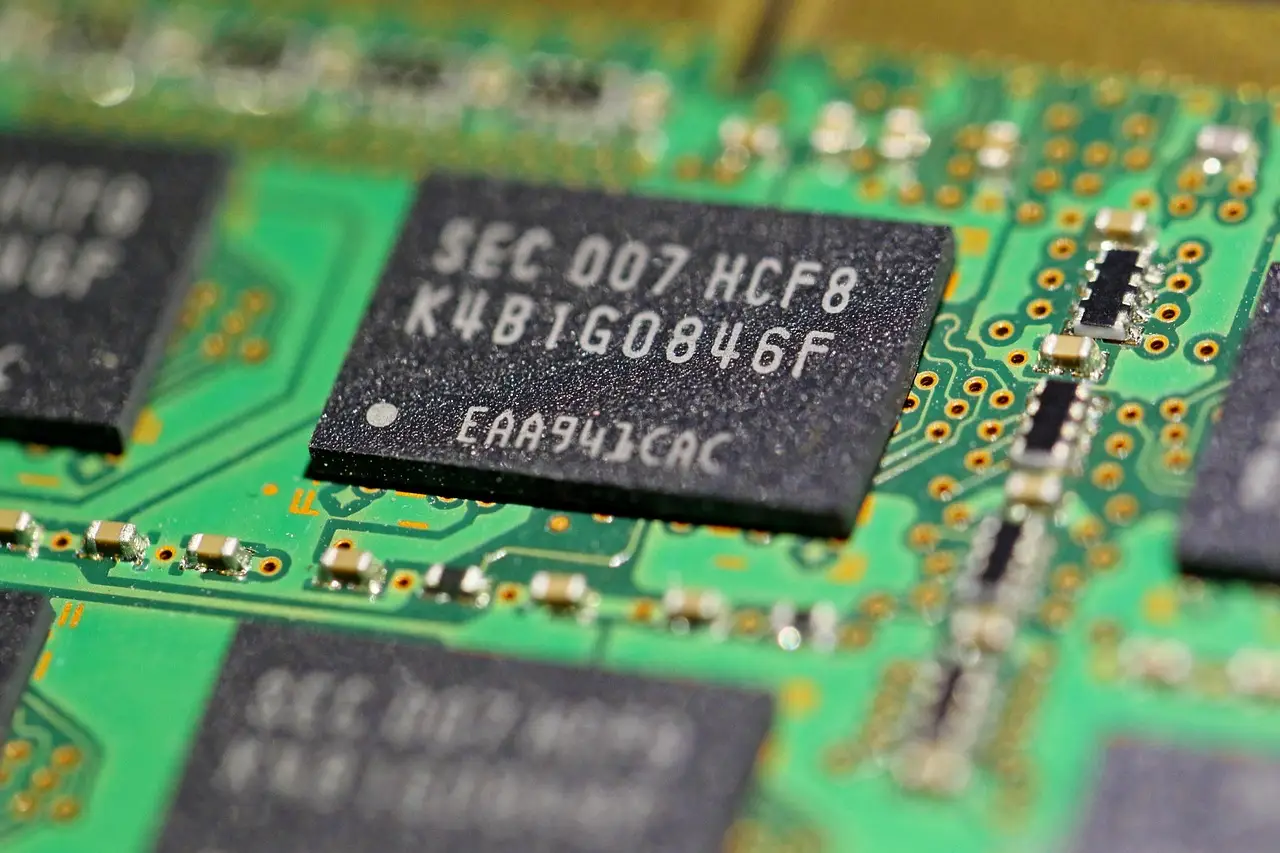
China's state media has called on South Korean chipmakers to supply their most advanced semiconductors to China, in open defiance of U.S. export controls on high-bandwidth memory. The commentary, published by Global Times on the 13th, lands as U.S. pressure to tighten chip curbs gains momentum following the resignation of Nvidia Chief Executive Jensen Huang.
Global Times is an English-language outlet affiliated with China's People's Daily. Its commentary is not policy. But it signals how Beijing wants the debate framed in Seoul.
What does the commentary actually say?
The outlet posed a pointed question about American demand. "The question is whether political resistance to data center construction in the United States will put a brake on the growth of U.S. chip demand, or even cause stagnation or decline," the commentary said. It added that "South Korean chipmakers should pay close attention and clearly assess the impact on their export outlook."
The argument rests on three claims, none of them verifiable from the text itself:
- U.S. chip demand may slow as data center construction faces political resistance at home.
- Memory prices remain high and are expected to rise further, which the outlet says leaves untapped potential in the Chinese market.
- Korean firms pursuing market diversification would, by consequence, rank China high among their priorities.
That last point is presented as logic, not evidence. The commentary does not cite any Korean corporate statement or sales data to support it.
Why does the outlet warn against underestimating China?
Global Times stressed that Korean firms should not underestimate Chinese competitors. Once Chinese chipmakers clear the remaining technical hurdles, it argued, they can scale production rapidly on the strength of a vast supply chain and manufacturing capacity, converting technological progress into a competitive edge.
The claim carries weight only if the hurdles fall. The commentary does not say how close Chinese makers are to clearing them. HBM (high-bandwidth memory, the stacked DRAM used in AI accelerators) remains among the hardest memory products to manufacture at yield.
The outlet then stated its demand plainly. "For South Korean chipmakers to maintain or expand their footing in China, they must offer Chinese customers their most advanced products," it said. "To that end, it is essential to find ways to overcome U.S. sanctions that block exports of advanced high-bandwidth memory, or HBM, to China."
How does the Huang affair figure in?
The commentary linked its case directly to the Nvidia leadership crisis. "The controversy surrounding Jensen Huang, who resigned as Nvidia's chief executive, is adding force to fresh calls in the United States to tighten restrictions on China's access to advanced chips," it said.
Huang admitted an extramarital affair on the 8th and resigned. Speculation followed that he had spied for China. China branded those allegations as slander. Beijing is wary that Washington could use the episode as a pretext to tighten controls on advanced technology.
At a briefing on the 12th, China's Foreign Ministry said: "China's scientific and technological progress is the result of independent innovation and open cooperation." It urged that "the United States should stop fabricating a so-called 'spy' narrative in search of a pretext for imposing a scientific and technological blockade."
Global Times pressed the economic case for Seoul. "If semiconductors are important to the South Korean economy, Korean companies have reason to push for more room to sell their most advanced products in China," it said. "South Korea should assert its own economic interests."
No Korean company or government body is quoted. The commentary omits the obvious risk: selling advanced HBM to China would expose Korean firms to U.S. secondary sanctions.
What happens next at Nvidia?
Nvidia's board has moved to stabilize leadership. It appointed Colette Kress, chief financial officer and executive vice president, as interim chief executive. The board will begin a search for a permanent CEO and will review both internal and external candidates.
No timeline for that search was given. Kress holds both seats, CFO and interim CEO, until the board decides.
via en.sedaily.com (Source)
More from Priya Raman
Show full bio
Correspondent covering money, funding and market shifts around hardware layer of artificial intelligence at Die Signal.
573 articles
Same lot · LOT-3629
- DSG-611910nmChina Narrows the Gap with Korean Chipmakers in NAND and DRAM
- DSG-214328nmKorea's Memory Glut May Double as Leverage Against China
- DSG-404514nmUS Trails in Memory Chips as Tariff Plans Raise New Risks
- DSG-61723nmAnalysts Warn China Could Curb Rare Earths Over U.S. Chip Rules
- DSG-111314nmMusk's China RAM Warning Puts Pressure on Samsung and SK Hynix