Test report DSG-6172 · Rev A · tested November 14, 2026
Supply Chain & PolicyDevice under test
Analysts Warn China Could Curb Rare Earths Over U.S. Chip Rules
Analysts warn Beijing could tighten rare earth export controls if the U.S. uses the Nvidia episode to restrict AI chips further, days before the Trump–Xi summit in Shenzhen on Nov. 18–19.
- Read
- 4 min
- Words
- 711
- Node
- 3nm
- Operator
- Amara Osei
Spec summary
- Analysts warned on Nov. 13 that China could tighten rare earth export controls in response to U.S. chip restrictions
- Trump and Xi are set to meet on Nov. 18–19 at the APEC summit in Shenzhen
- CCG's Victor Gao called potential U.S. escalation 'a complete miscalculation'
- EIU's Xu Tianchen said Trump has been weakened after the Democrats' midterm win
- Analyst Liu Shaoshan predicted a 'warring-states era' for the semiconductor industry
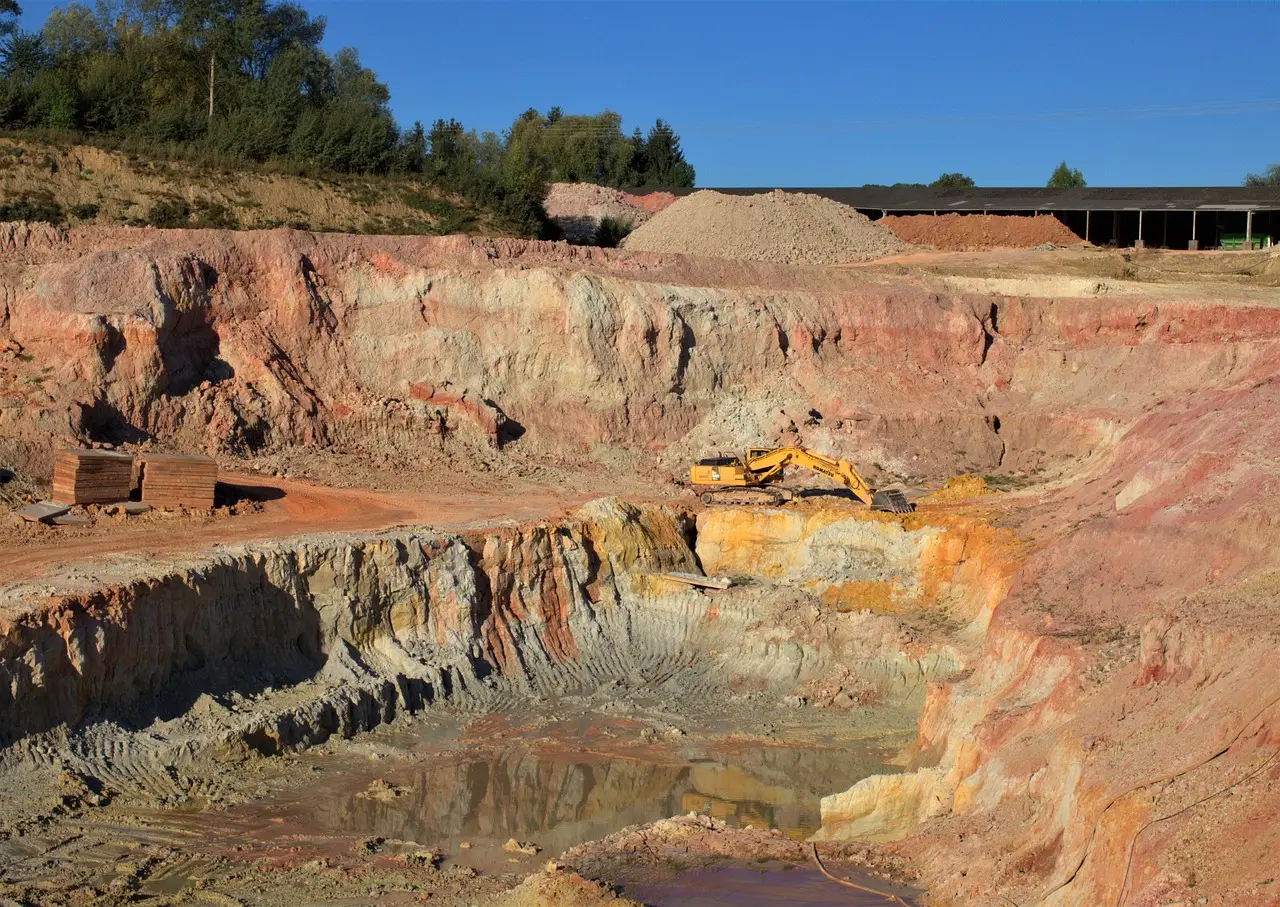
China could answer tighter U.S. semiconductor export restrictions with new rare earth export controls, analysts warned on November 13, framing the leverage contest between Washington and Beijing ahead of a planned Trump–Xi summit on November 18–19.
The warning follows the departure of former Nvidia Chief Executive Jensen Huang, which some analysts read as an opening for the United States to step up pressure on China's access to advanced AI chips. Others argued the fallout for U.S.-China trade talks will stay limited, citing China's chip stockpiles and progress in domestic technology.
What did the analysts actually say?
Victor Gao, vice president of the Beijing-based Center for China and Globalization (CCG), told the Hong Kong-based South China Morning Post on November 13 that Washington would be making "a complete miscalculation" if it used the Nvidia episode to increase pressure on China. He said Beijing would respond by tightening rare earth export controls.
Wang Yingliang, editor-in-chief of the economic analysis platform Sharp Voices, said the controversy over Huang's extramarital affair had escalated into a national security question, handing the U.S. fresh justification to tighten chip export controls. China, he said, still holds usable tools:
- Sanctions against U.S. companies
- Rare earth export cooperation
- Cooperation on narcotics and telecom fraud
Wang said Beijing could deploy these as bargaining chips, potentially to win an easing of U.S. chip export restrictions. He also argued China has room to absorb the short-term shock of additional U.S. sanctions, because it has secured substantial chip inventories and is improving its own technological capabilities.
"Semiconductors will not have a major impact on the trade negotiations," Wang said.
What is the wild card?
Analysts pointed to the continuing investigation into allegations that Alice Huang, identified as the woman involved with the former CEO, spied for China. Wang said U.S. President Donald Trump is likely to keep existing chip export control policies in place unless the national security controversy spreads further.
Xu Tianchen of the Economist Intelligence Unit (EIU) assessed that U.S.-China relations have grown less stable. Referring to the "constructive strategic stability" the two leaders agreed earlier, Xu said: "It is a matter between China and President Trump, and President Trump has been weakened." The assessment follows the Democratic Party's sweeping win in the recent U.S. midterm elections, which narrowed Trump's political standing.
What happens at the Shenzhen summit?
Trump and Chinese President Xi Jinping are set to hold their third summit of the year on the sidelines of the Asia-Pacific Economic Cooperation (APEC) leaders' meeting in Shenzhen, Guangdong province, on November 18–19. How the two countries manage their disputes over semiconductors and rare earths is emerging as a key focus.
Since the Trump administration took office, the U.S. has restricted exports of advanced chips to China, while Beijing has used rare earth export controls as its main countermeasure. The two sides have held a temporary truce through trade talks, but tensions could flare again if chip export restrictions tighten.
What does Huang's exit mean for the chip market?
China's state-run Global Times reported analyst views that global chip competition could intensify after Huang's resignation while also creating new business opportunities.
Liu Shaoshan, director of the embodied intelligence center at the Shenzhen Institute of Artificial Intelligence and Robotics for Society, said major technology companies may accelerate in-house chip development and diversify their computing architectures following Huang's departure. He said the competitive landscape could shift as the AI industry expands from training large language models toward inference, robotics and other real-world services.
"Future competition will increasingly go beyond computing power to encompass computing architecture, software ecosystems and application costs," Liu said. "This could usher in a warring-states era for the semiconductor industry."
Liu credited Huang with contributions not only in developing graphics processing units (GPUs) but also in building a broad AI computing ecosystem around the CUDA platform. Nvidia's technological edge, he said, will not disappear immediately after Huang's exit — but his strategic leadership and his ability to marshal industry resources will be hard to replace.
The immediate question is whether Washington tightens the screws before November 18.
via en.sedaily.com (Source)
More from Amara Osei
Show full bio
Staff writer covering money, funding and market shifts around hardware layer of artificial intelligence at Die Signal.
593 articles
Same lot · LOT-362A
- DSG-40895nm678,000 Chips Later, US Export Controls on China Count as Failed
- DSG-336728nmNvidia board weighs Huang exit and $500 billion exposure
- DSG-855165nmNvidia faces China spy allegation as H200 sales stay below 1%
- DSG-211714nmNvidia Board Probes Huang as China Chip Sales Near $8 Billion
- DSG-444620nmSenate summons Lutnick and Huang over Nvidia chip leak questions