Test report DSG-6599 · Rev B · tested October 30, 2026
Supply Chain & PolicyDevice under test
FCC Rejects TP-Link Wi-Fi 8 Push, Citing False Filings and Power Violations
The FCC's October 15, 2026 letters allege false information in TP-Link applications for four routers, three exceeding power limits, stalling its Wi-Fi 8 US launch.
- Read
- 2 min
- Words
- 469
- Node
- 14nm
- Operator
- Amara Osei
Spec summary
- FCC letters dated October 15, 2026 allege false or incorrect information in TP-Link applications for four router models
- Three of the four routers exceeded allowed power levels
- TP-Link announced a $1 billion joint venture with Key Tronic to build Wi-Fi 8 routers in the U.S.
- Competitors Amazon, Asus and Netgear have already gained conditional FCC approval
- Congress members and multiple state attorneys general have filed complaints over privacy and Chinese ties
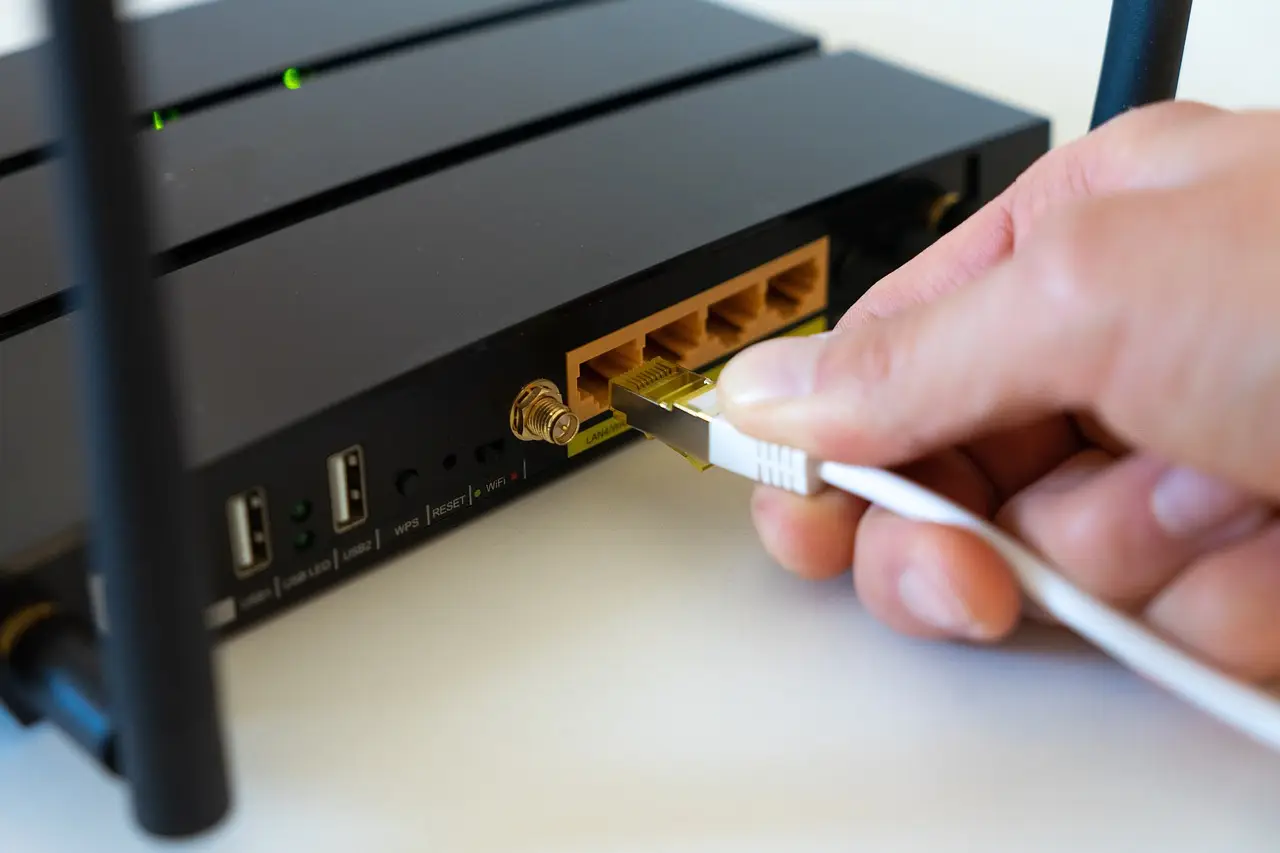
The FCC has rejected TP-Link's latest attempt to sell Wi-Fi 8 hardware in the United States, alleging in letters dated October 15, 2026 that the company "included false or incorrect information in its applications" for equipment authorization of four router models, including high-end Archer units. Bloomberg first reported the findings from the FCC's Office of Engineering and Technology.
The documentation problems are only half of the case. Three of the four routers under scrutiny also operated at power levels above what FCC rules allow. For a manufacturer already facing heightened scrutiny, the filing errors compound the technical violations.
What does the FCC actually test?
The commission's router certification regime covers more than wattage. It evaluates:
- Power output limits
- Electromagnetic compatibility (EMC)
- Radio frequency (RF) emissions
- National security compliance
The national security element has become the sharpest sticking point. Both the FCC and the U.S. Department of Defense have flagged the spread of TP-Link networking gear across civilian and government networks, according to the report.
How did TP-Link respond?
TP-Link issued a statement framing the findings as routine. "Routine spot checks have been a standard FCC practice across the consumer electronics industry for many years, and individual product test results can occasionally vary," the company said.
The statement continued: "TP-Link Systems fully supports the FCC's Office of Engineering and Technology and its role of ensuring that all manufacturers adhere to prescribed specifications for their certified products. We remain fully committed to working collaboratively with the FCC to resolve any technical questions that arise — and if necessary, address any confirmed technical issues as swiftly as possible."
Who else is pressuring the company?
The FCC is not acting alone. Members of Congress and multiple state attorneys general have filed complaints against TP-Link over alleged consumer privacy violations and its Chinese ties. The Trump administration has grown increasingly skeptical of the company's past relationships and motives, which magnifies every documentation error.
While TP-Link fights for conditional approval, competitors Amazon, Asus, and Netgear have already cleared compliance checks and received conditional approval to sell wireless products in the U.S.
What has TP-Link done to win approval?
The company has taken concrete steps to reposition itself with Washington. It moved its U.S. headquarters to California. Earlier this month, it announced a $1 billion joint venture with Key Tronic to manufacture Wi-Fi 8 routers on U.S. soil.
Those measures have not yet moved the FCC. The commission has given TP-Link no ground so far, and the October 15 letters show the review is tightening rather than closing.
Four flagged router models, three with out-of-spec power levels, and one billion dollars in promised U.S. manufacturing: the arithmetic of approval still does not balance.
via Tom's Hardware (Source)
More from Amara Osei
Show full bio
Staff writer covering money, funding and market shifts around hardware layer of artificial intelligence at Die Signal.
516 articles
Same lot · LOT-C204
- DSG-926420nmFCC seeks comment on 482 MHz direct-to-device expansion
- DSG-91945nmFCC bans first two devices under chip-level security rule
- DSG-973514nmNetlist Files New ITC Action Against Micron Over HBM Patents
- DSG-504510nmMusk Denies Reports of TSMC Running a Texas Terafab
- DSG-57757nmHuawei comeback tests US chip export limits, FT reports