Test report DSG-9264 · Rev C · tested October 30, 2026
Supply Chain & PolicyDevice under test
FCC seeks comment on 482 MHz direct-to-device expansion
The FCC proposes adding 482 MHz for satellite-assisted direct-to-device service, lifting authorized SCS bands from five to 13, while AT&T, Verizon and T-Mobile challenge key 5G bands.
- Read
- 3 min
- Words
- 567
- Node
- 20nm
- Operator
- Elena Vasquez
Spec summary
- The FCC proposal announced October 29 covers 482 MHz of additional spectrum for SCS and D2D services.
- Authorized SCS bands would increase from five to 13 as the FCC considers replacing area and lease requirements.
- CTIA, AT&T, Verizon and T-Mobile asked the FCC to remove 2.5 GHz and 3.45 GHz from draft SCS and D2D rules.
- The FCC plans a 25 MHz mid-band auction and a C-Band auction by July next year, with up to 160 MHz available.
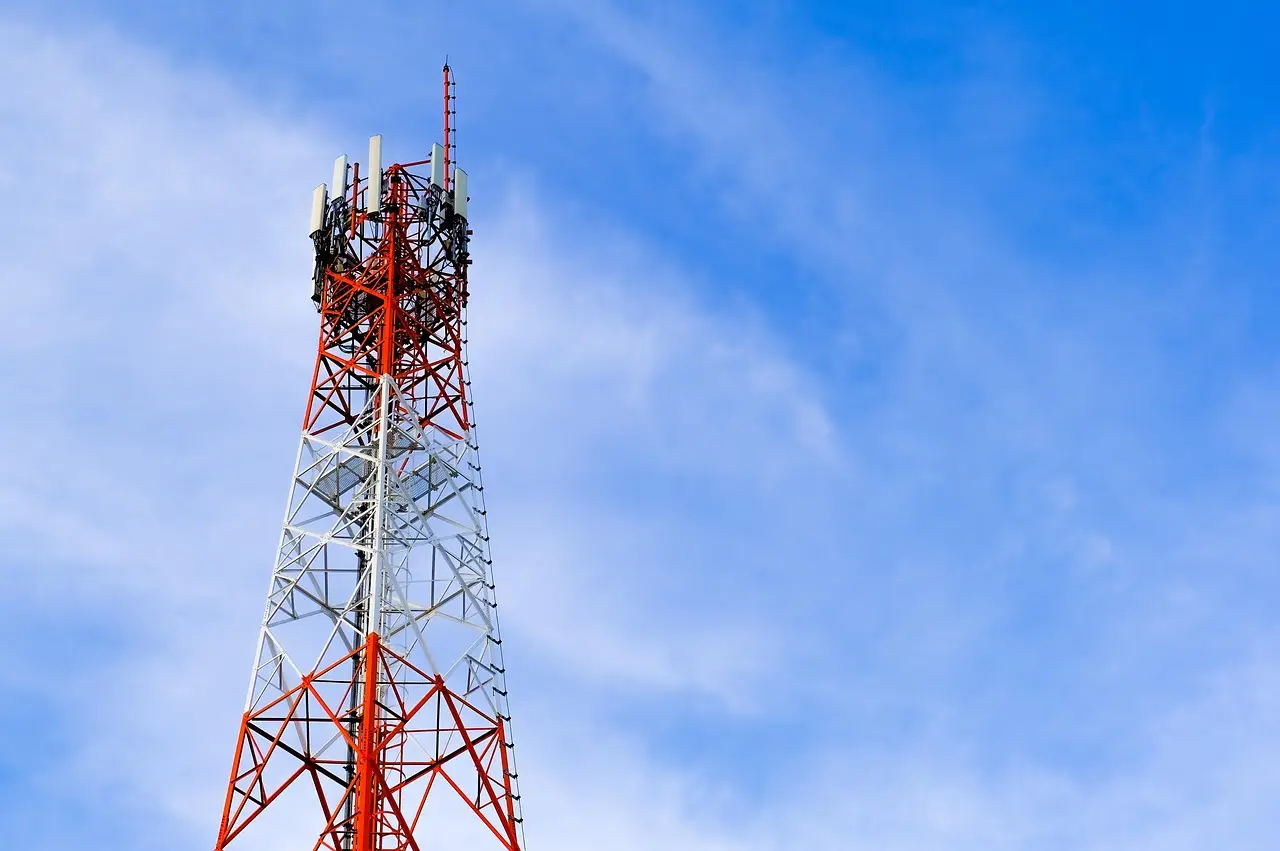
The FCC proposes opening 482 megahertz—roughly 500 MHz—to Supplemental Coverage From Space (SCS), lifting authorized SCS bands from five to 13 and opening a consultation on rules for direct-to-device (D2D) service.
Announced on October 29, the proposal seeks comment as demand grows for D2D connections that fill US coverage gaps left by terrestrial networks. Its stated aim is to “promote more flexible terrestrial, satellite, and hybrid business arrangements and incentivize high-quality D2D service for the benefit of consumers,” the FCC said.
What does the FCC proposal change?
The commission is considering eliminating SCS requirements that have required operators to seek routine waivers. Specifically, the notice would remove the SCS geographically independent area requirement and its lease requirement.
The FCC says those rigid rules would give way to adaptable geographic license areas and coexistence agreement requirements tailored to SCS operators’ circumstances. “This proposal seeks comment on eliminating burdensome SCS requirements that have created the need for routine waivers,” the commission wrote.
For SCS operators, the change would make deployment terms more adaptable than the current geographically independent area and lease rules. Expanding authorized SCS bands from five to 13 would also enlarge the spectrum pool available for D2D services that fill terrestrial coverage gaps.
The proposal therefore addresses both spectrum access and commercial structure. Its language covers terrestrial, satellite and hybrid business arrangements, so the FCC is considering how ground and space-based networks can combine rather than prescribing one deployment formula.
Why do AT&T, Verizon and T-Mobile object?
AT&T, Verizon and T-Mobile, together with CTIA, warned the FCC that assigning certain spectrum to D2D could impair their core 5G networks. The groups met with the commission last week and asked it to remove the 2.5 GHz and 3.45 GHz bands from the draft SCS and D2D rules.
Both bands see heavy use for 5G connectivity and sit within the Time-Division Duplex (TDD) bands that CTIA and the carriers want kept out of the draft. The FCC proposal came days after that warning, leaving the conflict between D2D expansion and the carriers’ concern about core 5G performance unresolved.
The dispute gives the commission competing policy inputs before it determines which frequencies SCS operators can use and which operating conditions apply. The final framework must address broader SCS access while resolving the carriers’ objections to the two TDD bands.
What spectrum auctions are planned?
On October 29, the FCC also said it intends to auction 25 MHz of mid-band spectrum for terrestrial 5G, D2D networks or hybrid networks. The frequencies would come from the 1,655–1,695 MHz and 2,020–2,025 MHz bands.
The proposed 482 MHz SCS expansion is about 19 times the size of that specific 25 MHz auction. Both actions increase the FCC’s options for D2D capacity, while the SCS proposal leaves band allocations and coexistence requirements open for comment.
Next year brings a separate C-Band auction, which the FCC plans to hold by July. Up to 160 MHz could come up for sale through that auction.
The immediate carrier issue is access to 2.5 GHz and 3.45 GHz, while SCS operators need workable license and coexistence terms. The auction calendar adds licensed mid-band and C-Band capacity, but the FCC has not adopted its proposal; it is seeking comment before fixing the final framework.
via docs.fcc.gov (Original)
More from Elena Vasquez
Show full bio
Senior reporter covering people, launches and day-to-day practice in hardware layer of artificial intelligence at Die Signal.
498 articles
Same lot · LOT-C204
- DSG-912920nmCAISO Proposes 50 MW Threshold for Large Grid Connections
- DSG-156120nmTrump Administration Revises Chip Export Rules, Adds Tariffs
- DSG-378028nmBipartisan Bill Aims to Close Semiconductor Export Control Gaps
- DSG-797265nmSpain raises proposed data center renewable threshold above 10 MW
- DSG-72055nmSamsung Sets November Groundbreaking for Second Texas Fab