Test report · tested November 26, 2026
AI Datacenter InfrastructureDevice under test
China's Orbital AI Cluster Trains LLMs for 45 Minutes; FCC Clears SpaceX's Million-Satellite Data Centers
CAICT verified 45 minutes of uninterrupted in-orbit LLM training on the Libra satellite, while the FCC approved SpaceX's 1-million-satellite Starmind data center constellation with deployment deadlines through 2040.
- Read
- 3 min
- Words
- 621
- Segment
- AI Datacenter Infrastructure
- Operator
- Elena Vasquez
Spec summary
- Libra satellite trained Alibaba's Qwen3-32B for 45 minutes 33 seconds in orbit, vs ~15 minutes for Google's orbital TPU prototype
- ADA Space's Star Compute targets 2,800 satellites; deployed clusters total about 50 POPS
- FCC approved SpaceX's 1-million-satellite Starmind constellation on the 25th, first such U.S. approval
- SpaceX must fly its first Starmind satellite by November 2033 and complete full deployment by November 2040
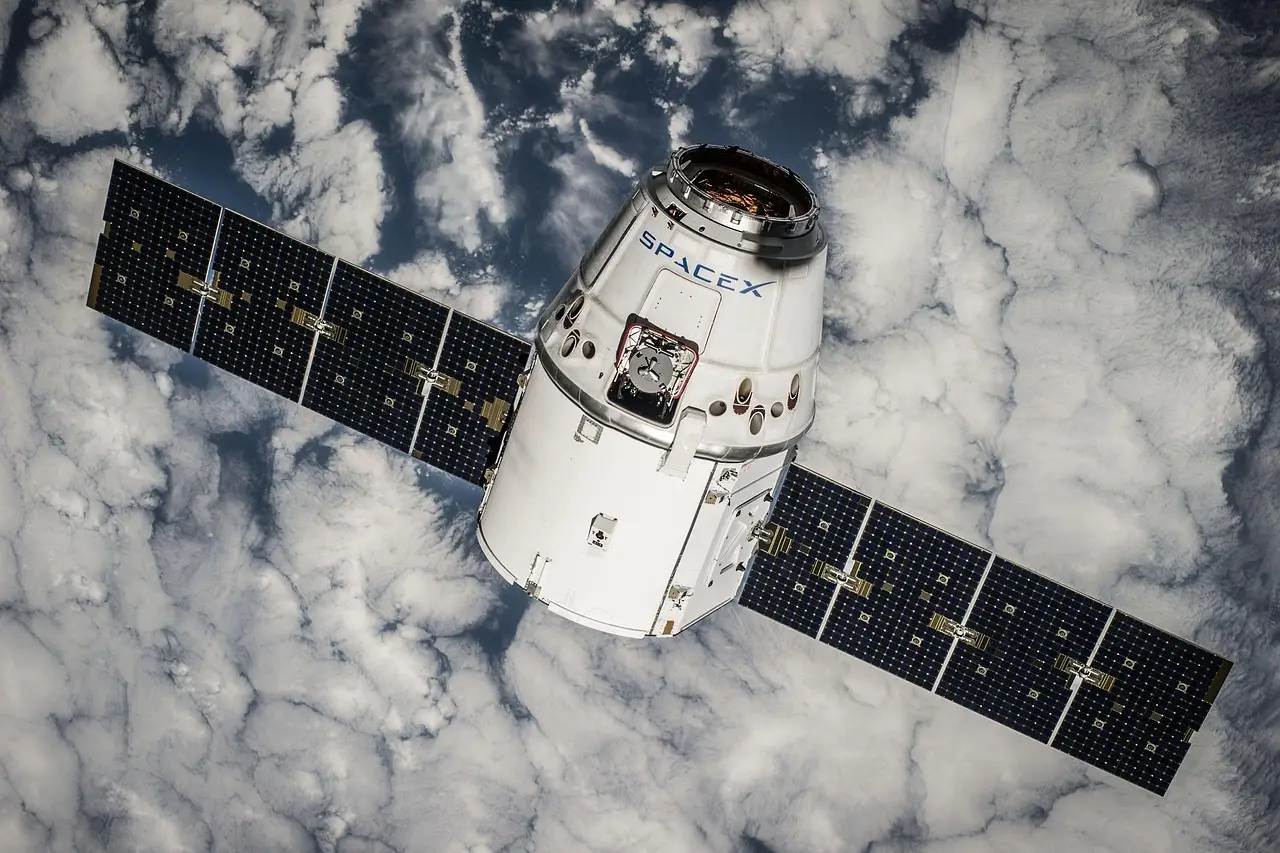
China has verified in-orbit training of a large language model for 45 minutes and 33 seconds — roughly three times the endurance of Google's orbital TPU prototype — while U.S. regulators gave SpaceX the green light to build a million-satellite AI data center constellation. The U.S.-China race for AI compute has officially left the ground.
The China Academy of Information and Communications Technology (CAICT) completed performance verification of a satellite cluster launched in October, state-run Global Times reported on the 25th. The tests confirmed the satellites can run high-performance computing and train large language models in orbit.
What did the satellites actually do?
One satellite in the cluster, named Libra, carried Alibaba's Qwen3-32B model and ran both training and inference in space. Libra trained the model without interruption for 45 minutes and 33 seconds while circling Earth, completing the full training cycle in orbit: solving problems, analyzing incorrect answers, and improving its own performance. For comparison, Google's prototype tensor processing unit for orbital use reportedly runs about 15 minutes per session — Libra's session is three times as long.
The difference comes down to heat. CAICT said a liquid cooling system from ADA Space, plus oversized radiative cooling wings, worked normally in orbit and dissipated heat from a 10-kilowatt-class high-performance AI computer.
Who is building it, and at what scale?
The project, called Star Compute, is led by ADA Space, also known as Guoxing Aerospace. Its target is 2,800 satellites for AI data centers:
- First cluster launched in May last year
- Second cluster launched in October this year
- Combined computing power so far: about 50 POPS — 50 quadrillion operations per second
ADA Space says that makes it the largest space-based computing network currently in Earth orbit.
What did the FCC approve?
On the same day, the FCC gave final approval for SpaceX to launch and operate a constellation of 1 million satellites for Starmind, its orbital data center system, The Wall Street Journal reported on the 25th. It is the first U.S. approval for a space data center constellation, arriving roughly 10 months after SpaceX filed in January. Rivals including Amazon argued the application should be rejected; the FCC dismissed their objections.
The approval comes with a deployment schedule:
- First satellite by November 2033 at the latest
- 100,000 satellites (10% of the total) by November 2035
- 500,000 satellites (half) by November 2038
- Full deployment by November 2040
What does Musk get out of this?
SpaceX CEO Elon Musk merged the company with his AI firm xAI and has signaled plans to run data centers on satellite constellations in Earth orbit. He has called space the lowest-cost place to put AI and predicted it would be realized within two to three years.
FCC Chairman Brendan Carr backed the decision in blunt terms. Compute campuses and data centers are essential to maintaining U.S. dominance in superintelligence, he said, adding that SpaceX and the many rivals building their own orbital data centers are meeting the demands of the era by moving computing power beyond Earth. The FCC says it continues to review other space data center proposals and will decide them promptly under its procedures.
Why put data centers in orbit?
Space data centers mount AI computers on satellites to process data and train models in orbit. The draw is energy: solar power is abundant in space, so operators sidestep the electricity and land burdens that constrain ground-based data centers. For practitioners, that means two parallel buildouts — one Chinese, one American — now have regulatory and engineering milestones to watch, with the next hard deadline being SpaceX's first Starmind launch window before November 2033.
via en.sedaily.com (Source)
More from Elena Vasquez
Show full bio
Senior reporter covering people, launches and day-to-day practice in hardware layer of artificial intelligence at Die Signal.
814 articles
Same lot
- China claims 50 POPS for orbital AI network; SpaceX wins FCC approval
- Nvidia-Backed Starcloud Claims First AI Training in Space
- Huawei and Alibaba Report Advances in AI Chips, Clusters, and Models
- Google's First Suncatcher Satellite Reaches Orbit to Test AI Chips
- Nvidia Unveils AI Computing Module for Space-Based Data Centers