Test report · tested November 26, 2026
Supply Chain & PolicyDevice under test
China Holds Korean Chip Engineer Nearly Three Years on Spy Charges
A Korean chip engineer arrested in China in December 2023 faces a spy-law verdict; the NIS weighed trading third-country agent intel for his release, then dropped the plan.
- Read
- 2 min
- Words
- 405
- Segment
- Supply Chain & Policy
- Operator
- Elena Vasquez
Spec summary
- A South Korean semiconductor engineer was arrested in China in December 2023 on anti-espionage charges and has been held nearly three years.
- The engineer had reported suspected leakage of South Korean semiconductor technology to the NIS while working at a Chinese chipmaker.
- The NIS considered offering Beijing information on third-country deep-cover agents in the first half of this year, but dropped the plan.
- A has stood trial in custody and is awaiting a verdict; release talks remain deadlocked.
- The NIS denied reports that China proposed joint operations targeting the United States.
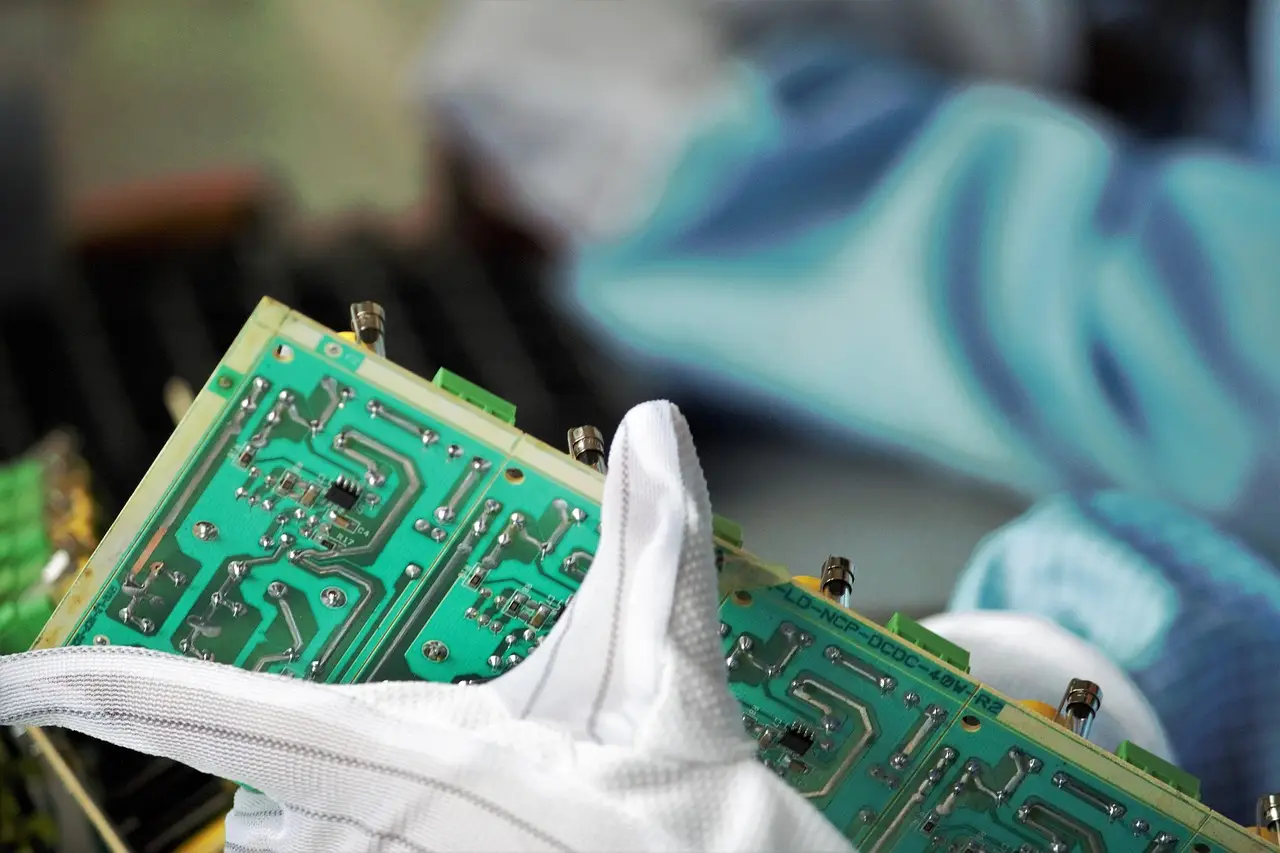
A South Korean semiconductor engineer has sat in Chinese custody for nearly three years on espionage charges — and Seoul's intelligence service once considered trading information on foreign deep-cover agents to get him out.
The engineer, identified only as A, was arrested in China in December 2023, intelligence officials disclosed on the 26th. He had worked at a domestic South Korean semiconductor company before moving to a Chinese chipmaker.
Why did China detain him?
The case turns on what A did after switching employers. While at the Chinese company, A noticed signs that semiconductor technology developed by South Korean firms was being continuously leaked abroad, and he reported what he saw to the National Intelligence Service (NIS), sources said.
Chinese authorities picked him up after learning what he had passed to the NIS. The charges fall under China's anti-espionage law — a statute that has caught a growing number of foreign nationals as Beijing tightened its counterintelligence framework in recent years.
What did Seoul try?
A's detention began under former President Yoon Suk-yeol's administration. After President Lee Jae-myung took office, the NIS opened talks with Chinese counterparts to secure A's release, treating it as part of its duty to protect South Korean citizens abroad.
Those discussions made little headway, sources said.
In the first half of this year, the agency went a step further: it weighed offering Beijing information that might buy A's freedom. The material under consideration concerned illegal operatives — so-called deep-cover or "black" agents — belonging to a third country, not the United States or Japan.
The plan never advanced to actual negotiations. The NIS dropped it, and release talks between the two countries remain deadlocked with no further progress.
Where does the case stand now?
A has stood trial while in custody and is awaiting a verdict. No timeline for a ruling surfaced in the disclosure.
The NIS also moved to knock down one piece of the story's fallout. It strongly denied media reports that China had proposed joint operations targeting the United States in connection with the case.
For semiconductor professionals with China exposure, the case lands as a pointed warning. An engineer who reported suspected technology leakage to his own country's intelligence service ended up jailed under the receiving country's espionage law — and nearly three years on, neither diplomacy nor a proposed intelligence trade has moved the needle.
via en.sedaily.com (Source)
More from Elena Vasquez
Show full bio
Senior reporter covering people, launches and day-to-day practice in hardware layer of artificial intelligence at Die Signal.
815 articles
Same lot
- Ex-Samsung Manager Apologizes for Leaking Tech to CXMT
- Samsung Veteran Indicted for Transcribing 66 Pages of EUV Secrets
- Nvidia turmoil creates a market-share opening for Korean chipmakers
- Profiler Calls 'Alice Huang' a Fabricated Broker, Not a Trained Spy
- KOSPI Jumps 6.32% as Jensen Huang Returns to Nvidia 11 Days After Exit