Test report DSG-7618 · Rev E · tested September 29, 2026
Supply Chain & PolicyDevice under test
Ex-Samsung Manager Apologizes for Leaking Tech to CXMT
A former Samsung manager publicly apologized for leaking semiconductor technology to China's CXMT, exposing the legal and personal risks facing Korean chip engineers who defect to Chinese fabs.
- Read
- 3 min
- Words
- 552
- Node
- 3nm
- Operator
- Grace Kim
Spec summary
- A former Samsung manager apologized for leaking semiconductor technology to Chinese memory maker CXMT.
- Korean authorities are prosecuting multiple former Samsung and SK Hynix engineers over technology transfers to Chinese competitors.
- CXMT's advance into DDR5 and LPDDR5 DRAM poses a direct competitive threat to Samsung and SK Hynix.
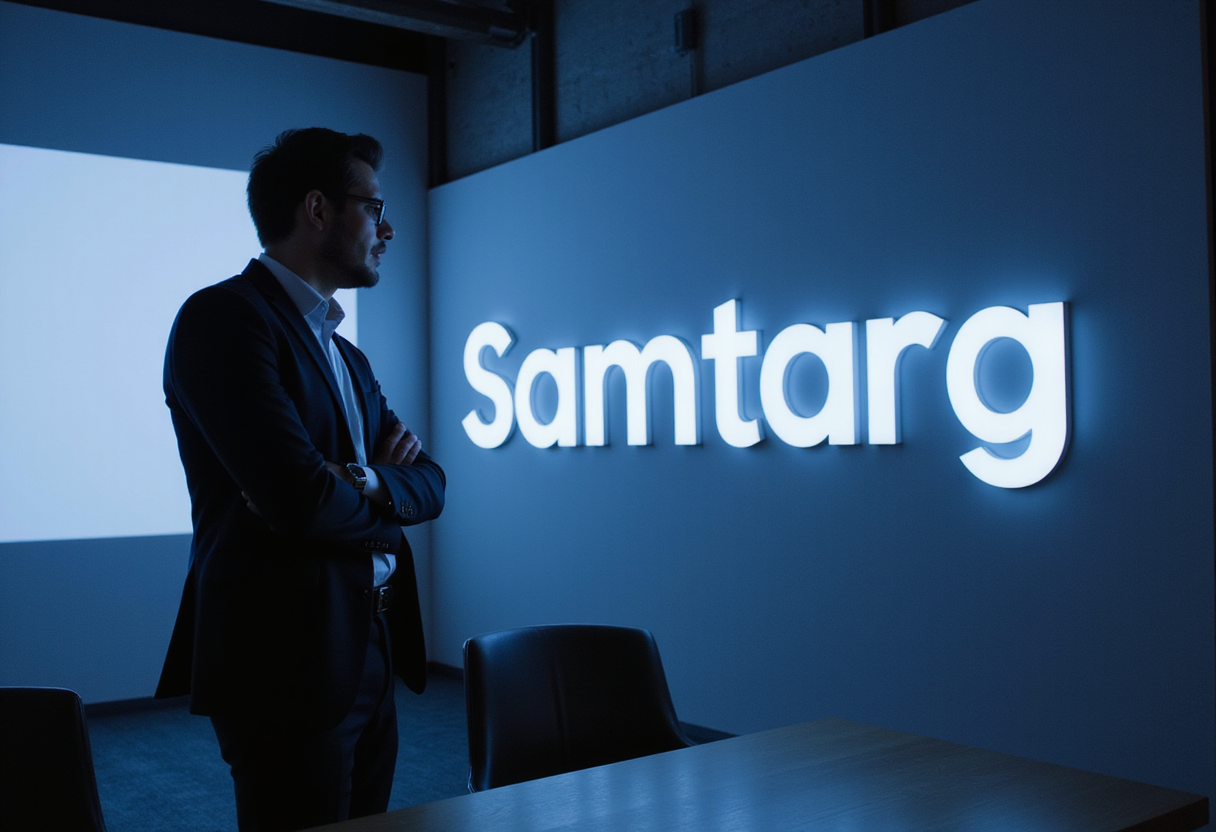
A former Samsung manager has issued a public apology for leaking semiconductor technology to CXMT, the Chinese memory maker, in a case that lays bare the personal and professional fallout awaiting Korean chip engineers who bet their careers on China's semiconductor industry.
The apology, reported by the Korea JoongAng Daily, centers on the transfer of sensitive process technology to ChangXin Memory Technologies, the Beijing-backed DRAM manufacturer that has emerged as one of the most aggressive challengers to Samsung's dominance in the memory market. The former manager expressed remorse for the leak, acknowledging the damage caused to the company where he built his career.
The case is one in a series of prosecutions brought by Korean authorities against former engineers at Samsung and SK Hynix accused of carrying proprietary process knowledge to Chinese competitors. Seoul has tightened enforcement of industrial secrecy laws as CXMT and YMTC have narrowed the technology gap in DRAM and NAND production.
For Korean engineers, the calculus behind a move to China was often straightforward. Chinese fabs offered salaries several times higher than domestic pay, senior titles, and the chance to lead entire process teams rather than a single module. Recruiters promised a fast track that Korean conglomerates, with their rigid hierarchies, could rarely match.
The aftermath has proved less rosy. Engineers who transferred trade secrets face criminal exposure at home, with Korean prosecutors pursuing cases even after the individuals have settled abroad. Convictions can carry prison terms and permanent exclusion from the industry that trained them.
The personal toll is what the apology makes explicit. The former manager described the episode as a tragedy — the collapse of a career built over decades at Samsung, undone by a decision to monetize expertise in a market hungry for exactly that knowledge.
The competitive stakes remain high. Samsung and SK Hynix together control the majority of the global DRAM market, and CXMT's expansion into mainstream DDR5 and LPDDR5 products has turned technology leakage from a legal abstraction into a direct margin threat. Every process node transferred shortens the development cycle of a competitor that prices aggressively and benefits from state support.
Korean authorities have responded with longer sentences and broader definitions of what counts as a trade secret, including process parameters and yield know-how that never appear in patents. Courts have shown increasing willingness to treat memory manufacturing expertise as national strategic assets.
The case also illustrates the shrinking space between individual career decisions and geopolitical competition. US export controls have cut Chinese fabs off from advanced equipment and support from American suppliers, raising the operational risks for foreign engineers working in China. Sanctions regimes can strand projects mid-development and leave imported talent without the tools they were hired to deploy.
For the engineers themselves, the squeeze is now visible from both directions. Korean law punishes the transfer of know-how. Chinese employers, facing restricted access to Western technology, demand exactly that know-how as the price of employment. The individual engineer sits in the middle of an industrial confrontation that neither side can afford to lose.
The apology closes a chapter for one manager. The underlying conditions that produced the case — China's demand for memory technology, Korea's determination to protect it, and the premium salaries that bridge the two — remain fully intact.
via Google News: DRAM chip (Source)
More from Grace Kim
Same lot · LOT-C1BA
- DSG-52465nmCXMT Ran Covert Campaign to Obtain Samsung Technology
- DSG-42853nmCXMT Plans NAND Flash Entry as Global Shortage Reshapes Market
- DSG-818765nmHP, Asus, Acer Quietly Adopt Limited CXMT Chips as DRAM Supply Tightens
- DSG-622514nmCXMT Puts New Memory-Chip Platform Into Mass Production
- DSG-44257nmMicron Closes Gap on SK Hynix in Global DRAM Rankings