Test report DSG-1945 · Rev F · tested October 10, 2026
Supply Chain & PolicyDevice under test
BofA Downgrades BE Semiconductor on HBM Delays, ASML Threat
Bank of America cut its rating on BE Semiconductor, pointing to HBM-related delays and a growing competitive threat from ASML in advanced packaging.
- Read
- 3 min
- Words
- 516
- Node
- 14nm
- Operator
- Priya Raman
Spec summary
- BofA downgraded BE Semiconductor Industries (Besi)
- Downgrade cites delays in HBM-related timelines
- BofA flags ASML as a competitive threat to Besi
- Move pressures the hybrid bonding growth narrative tied to AI memory demand
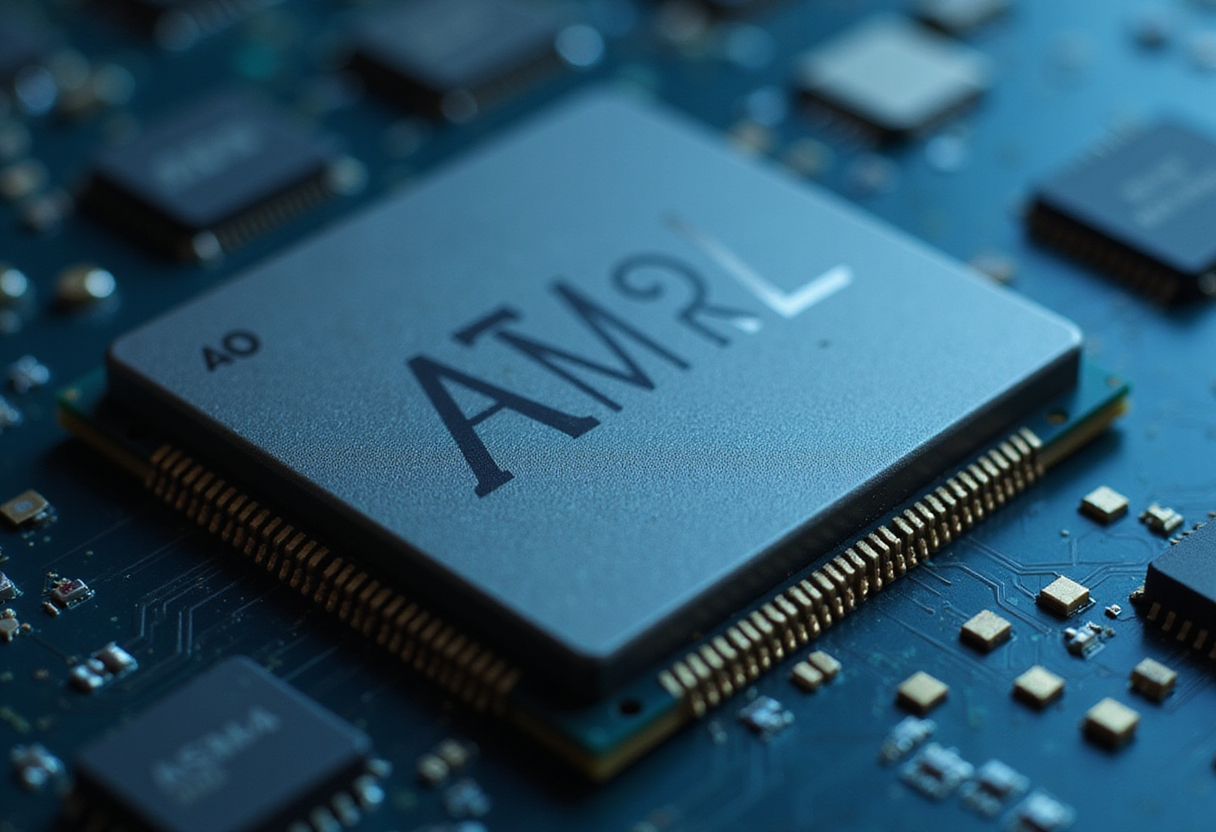
Bank of America has downgraded BE Semiconductor Industries (Besi), citing two converging pressures on the Dutch assembly-equipment maker: delays tied to high-bandwidth memory (HBM) adoption and a competitive threat from ASML.
The rating cut lands at a sensitive moment for Besi, whose hybrid bonding technology has been positioned as a key enabler for advanced HBM packaging stacks used in AI accelerators. Any slippage in the timeline for those adoption decisions directly affects the order visibility investors have priced into the stock.
What does the downgrade signal?
BofA's decision connects two distinct risks. The first is timing: HBM-related deployment schedules appear to be slipping, which pushes out the revenue window for the equipment that supports those production flows. The second is competitive: ASML, the region's dominant lithography supplier, now represents a threat to Besi's positioning in adjacent process steps.
For a company of Besi's size, both factors carry outsized weight. A single delayed qualification cycle can shift meaningful portions of expected annual revenue, and the emergence of a larger rival with deep customer relationships changes the bargaining dynamics across the entire advanced-packaging supply chain.
The downgrade also reframes the investment debate around Besi. Until now, the market narrative has centered on hybrid bonding as a structural growth story tied to AI memory demand. BofA's call challenges that framing on both the demand-timing and the competitive-structure axes simultaneously.
Why does the ASML factor matter?
ASML's involvement changes the competitive calculus. The company holds entrenched relationships with every major chipmaker and memory producer, along with the balance sheet and R&D scale to press into neighboring equipment segments. If ASML moves meaningfully into process territory close to Besi's core franchise, Besi's pricing power and win rates could erode even in scenarios where end demand remains strong.
This is the sharper edge of the downgrade. HBM delays are, in principle, a timing problem — revenue deferred rather than destroyed. A structural competitor entering the space is a different category of risk, one that compresses margins and market share assumptions rather than merely shifting them across quarters.
What should investors watch next?
The key checkpoints following the downgrade are straightforward:
- Confirmation or revision of HBM-related equipment order timelines from Besi's customer base
- Any ASML statements or filings indicating a formal push into advanced packaging equipment
- Analyst revisions from other banks, which often follow a move of this profile within days
- Besi management commentary on hybrid bonding qualification progress at its next scheduled update
The downgrade does not eliminate the long-term argument for advanced packaging. It does, however, raise the burden of proof. Until Besi demonstrates that HBM timelines are firming and that ASML's presence in the segment remains limited, the stock is likely to trade with the discount that BofA's call implies.
For the wider semiconductor-equipment sector, the move is a reminder that AI-driven demand does not automatically translate into uniform vendor gains. Timing mismatches and competitive intrusion can hit even the companies most directly exposed to the AI hardware buildout.
via Google News: HBM memory (Source)
More from Priya Raman
Same lot · LOT-C1C6
- DSG-352514nmGlobalFoundries Secures $2 Billion TSMC Deal for US AI Chip Packaging
- DSG-30197nmMusk 'Terafab' Breakthrough Lifts Korean Chip Toolmakers' Order Hopes
- DSG-553465nmDeloitte: Memory chip crunch projected to last until 2029
- DSG-27183nmJPMorgan: HBM Spec Downgrades Leave Supply Shortage Intact
- DSG-25935nmSamsung, SK Pivot Memory Back-End to Vietnam, India, Philippines