Test report DSG-2059 · Rev F · tested November 14, 2026
Foundries & ManufacturingDevice under test
AXTQ 2X Short AXT ETF Jumps 15% as AXT Slides 7%
Tradr's 2X inverse AXT ETF surged 15% to $40.31 as AXT fell 7% to $40.46, still up 147% YTD after record Q3 revenue of $73.41 million.
- Read
- 3 min
- Words
- 613
- Node
- 7nm
- Operator
- Elena Vasquez
Spec summary
- Tradr 2X Short AXTI Daily ETF (AXTQ) rose 15% to $40.31 as AXT dropped 7% to $40.46
- AXT remains up 147% year to date, with a 52-week range of $8.44 to $143.16
- AXT's Q3 2026 revenue hit a record $73.41 million, up 162.6% year over year, with adjusted EPS of $0.41
- Coherent fell 8% to $214.24 and Applied Optoelectronics dropped 7% to $49.08 in a broad tech selloff
- The NASDAQ 100 was down 2%, with technology the market's weakest sector
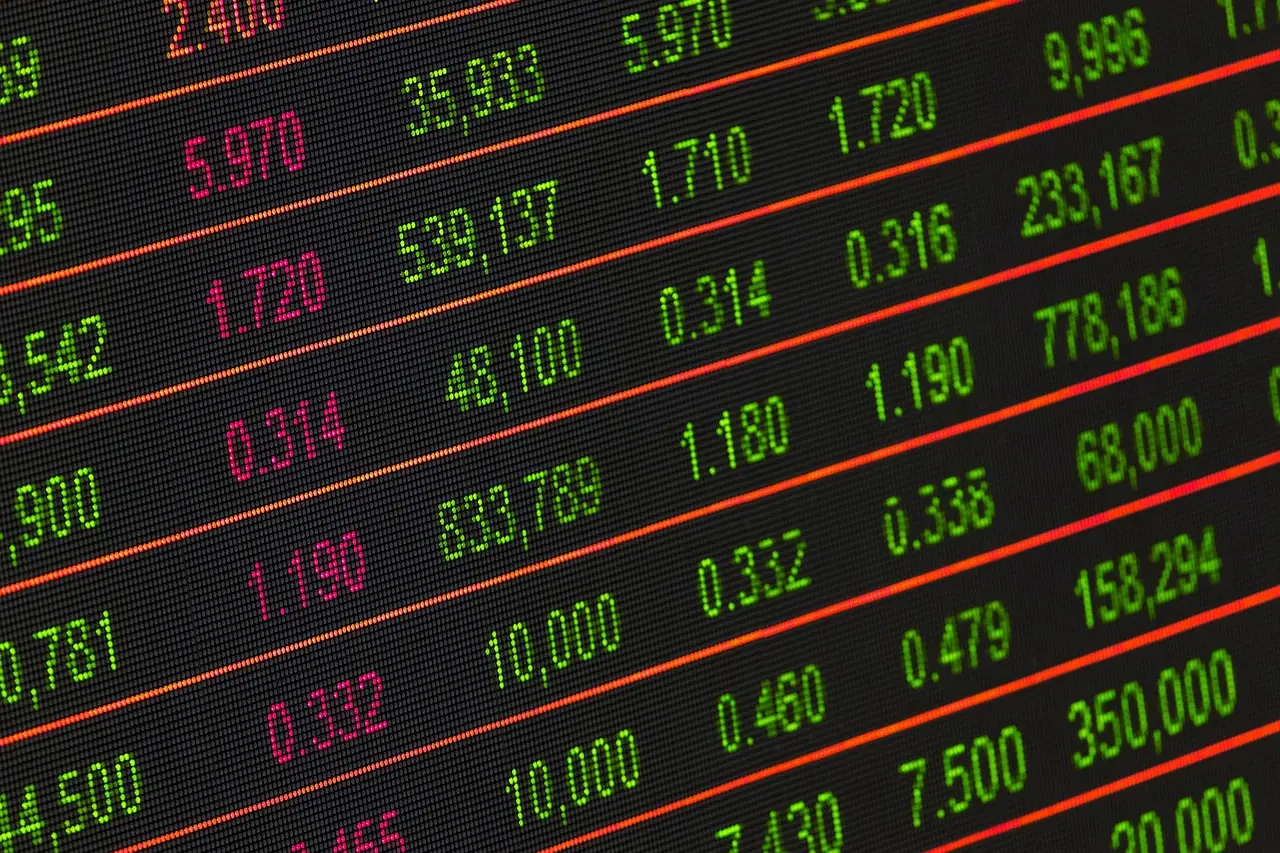
The Tradr 2X Short AXTI Daily ETF (CBOE:AXTQ) is up 15% to $40.31 this afternoon, cashing in on a 7% slide in AXT (NASDAQ:AXTI) to $40.46. That drop only dents a stock still up 147% year to date — a run reflected in a 52-week range that spans $8.44 to $143.16.
AXTQ is an inverse fund built to deliver twice the opposite of AXT's daily move. It resets every day, which means its returns drift from that 2x multiple the longer you hold it. Practitioners know the drill: this is a trading vehicle, not a position you park. Every move in the fund traces back to AXT's daily price change, reversed and amplified.
Why is tech selling off?
The pullback isn't AXT-specific. The NASDAQ 100 is down 2%, and technology is the market's weakest sector. NVIDIA (NASDAQ:NVDA) keeps falling, dragging the whole group lower. AXT's slide fits the pattern of profit taking after an extraordinary run, as AI hardware winners give back gains across the board.
What sits behind AXT's 147% run?
The fundamentals argue the rally had substance. On October 29, AXT reported record Q3 2026 results:
- Revenue of $73.41 million, up 162.6% year over year and well ahead of the $66 million consensus
- Adjusted EPS of $0.41 versus a $0.31 consensus estimate
- Gross margin of 56%
Demand for indium phosphide (InP) substrates used in AI data center optical connections drove the beat. CEO Morris Young said on the earnings call: "Demand remains ahead of supply even as we accelerate the pace of our capacity additions." Young added that AXT has more than quadrupled its indium phosphide revenue opportunity for this year. Wall Street's average price target sits at $91.50 — more than double the current price.
What risks come with the growth?
The company's own disclosures lay them out. Export permits for indium phosphide remain uncertain. Manufacturing is concentrated in China. And Chinese private equity investors in AXT's Tongmei subsidiary could request redemptions.
How far is the selling spreading?
Coherent (NYSE:COHR) is at $214.24, down 8% — a fall that outpaces AXT's, a sign that selling pressure extends beyond the biggest winners. Coherent is still up 16% year to date, a far smaller run than AXT's. Applied Optoelectronics (NASDAQ:AAOI) is at $49.08, down 7%, nearly in line with AXT. The AI optical connectivity group is trading lower as a block.
How do these three businesses actually differ?
AXT sits at the top of the optical supply chain. Through its Tongmei subsidiary, it grows indium phosphide, gallium arsenide and germanium wafers at sites in China. Chipmakers turn those substrates into the lasers and detectors inside optical transceivers.
Coherent is vertically integrated — from crystal growth and its own indium phosphide capacity through lasers, optics and finished transceivers. Applied Optoelectronics builds finished high-speed transceivers for hyperscale data centers and also sells cable television broadband equipment. That structure gives both broader product exposure, while AXT's prospects ride heavily on one scarce material.
What comes next?
AXT's next test is whether the stock finds support after this pullback. Bulls point to a record quarter and management's view that InP demand still exceeds supply. Bears counter that the stock has run hard this year and that export permits and China exposure remain open risks.
For anyone in AXTQ, the mechanics cut both ways. Leveraged inverse funds can move sharply against shareholders if AXT rebounds, and daily resetting can erode returns over longer holding periods. The fund's performance is highly sensitive to how long it's held.
via 247wallst.com (Source)
More from Elena Vasquez
Show full bio
Senior reporter covering people, launches and day-to-day practice in hardware layer of artificial intelligence at Die Signal.
589 articles
Same lot · LOT-362A
- DSG-52063nmNvidia Wipes Out $913 Billion in Five Sessions, Worst Run Since 2022
- DSG-325310nmNvidia weighs Nscale backstop as AI chip stocks retreat
- DSG-935314nmNVIDIA Rises 4% to $175.23 Despite Baird Cut to $200 Target
- DSG-73067nmApplied Materials Jumps 8% to $403 Ahead of Q4 Earnings Test
- DSG-662545nmAMD Erases 17% Crash in Two Sessions, Closing Up 13% at $508.58