Test report · tested November 25, 2026
Supply Chain & PolicyDevice under test
22 GOP Lawmakers Push USTR to Block Korea's Platform Rules, Citing $525B Hit
22 House Republicans asked USTR Jamieson Greer to block Korean digital rules they say could cost the U.S. $525 billion over a decade, laying groundwork for Section 301 tariffs.
- Read
- 3 min
- Words
- 551
- Segment
- Supply Chain & Policy
- Operator
- Elena Vasquez
Spec summary
- 22 House Republicans wrote to USTR Jamieson Greer on the 24th citing a $525 billion decade-long cost estimate
- USTR already imposed a 12.5% tariff on Korea via a Section 301 forced-labor finding
- Commerce blocked chipmaking equipment shipments to SK hynix's Dalian plant
- Korea passed $1 trillion in exports this year
- Korea's online platform and delivery app commission bills are pending in the National Assembly
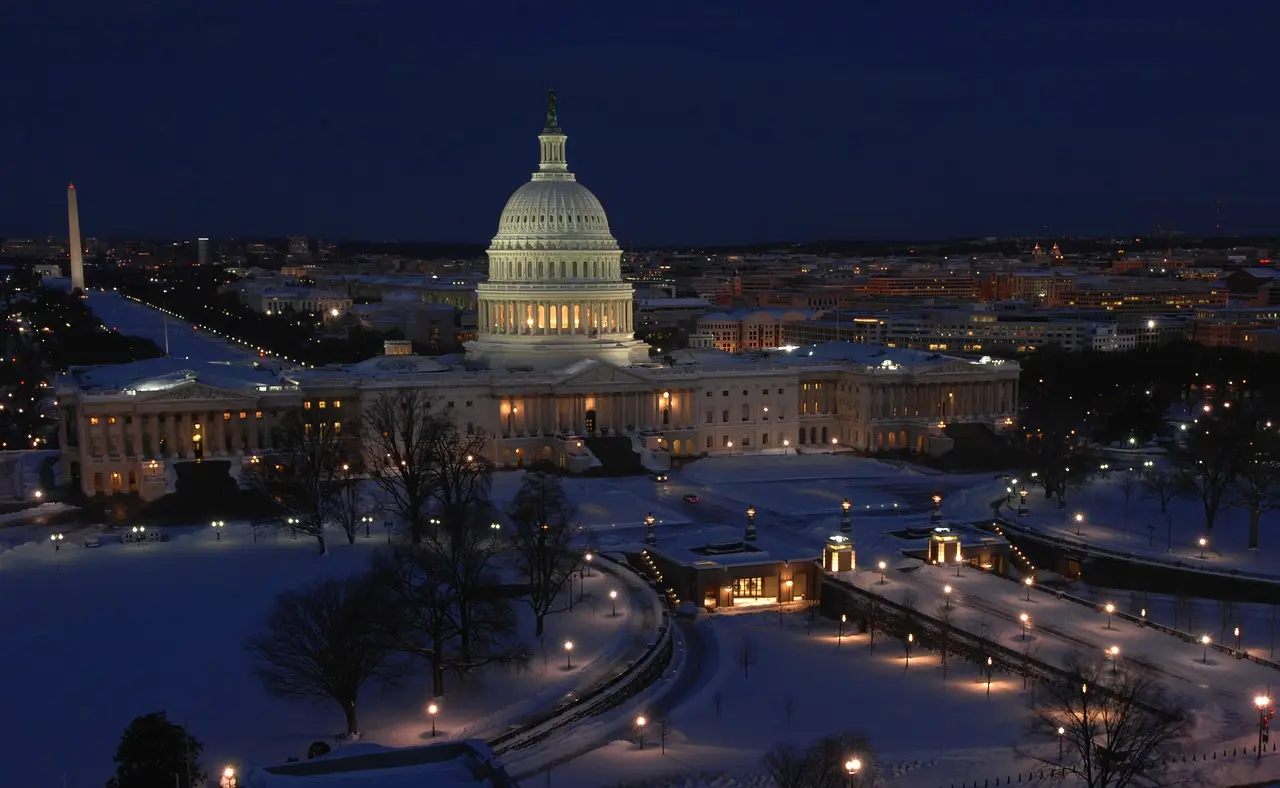
Twenty-two Republican members of the U.S. House of Representatives sent an open letter to U.S. Trade Representative Jamieson Greer on the 24th, asking him to block South Korean policies they say discriminate against U.S. tech companies. Their headline number: Korean regulation of U.S. digital platforms alone could cost the U.S. economy as much as $525 billion over the next decade — roughly $52 billion a year.
The letter cites two pending bills in the National Assembly: the online platform bill and a bill to regulate delivery app commissions. Both target markets dominated by U.S. firms. The move appears designed to lay the groundwork for action under Section 301 of the Trade Act, which authorizes retaliatory tariffs and import restrictions against trading partners deemed to engage in unfair trade practices.
What does the letter actually change?
It doesn't trigger anything by itself, but it hands the USTR political cover. The trade representative is already weighing whether to open a Section 301 investigation into whether digital policies in Korea and other countries are unfair. First targets would likely be the online platform bill and the bill to curb false and manipulated information — an amendment to the Act on Promotion of Information and Communications Network Utilization and Information Protection.
The USTR has form here. It has already imposed a 12.5% tariff on Korea, citing findings from a Section 301 investigation into forced labor. It then launched an overproduction investigation, and now it's reaching for Section 301 a third time.
Who's taking collateral damage?
Korean companies are absorbing hits from U.S. trade restrictions aimed at China. The U.S. Commerce Department recently blocked new shipments of chipmaking equipment to SK hynix's plant in Dalian. That decision disrupts the company's plan to expand the Dalian plant, secure profits there and use the proceeds to fund a new chip plant in New York — one plant effectively bankrolling another, and that chain is now cut.
Korean authorities show no sign of support. The global supply chain map of Korean chipmakers risks cracking, and nobody in Seoul is currently filling the gap.
Why Korea is an easy target
Korea topped $1 trillion in exports this year — a trade surplus profile that makes it a natural target for a U.S. administration pushing to improve its trade balance. The bigger the exporter, the bigger the tariff lever.
What should Seoul do?
The government and industry must prepare thoroughly on the assumption that U.S. trade pressure intensifies from here. That means:
- President Lee Jae-myung building a breakwater against trade risk through close communication with his U.S. counterpart.
- The Ministry of Trade, Industry and Energy tracking a U.S. Commerce Department cornered by the issue of chips smuggled into China — and responding preemptively before fallout spreads.
- The Foreign Ministry and the security team keeping communication with Washington airtight even as their leadership changes hands.
- A whole-of-government overhaul spanning trade, diplomacy and security, with scenario planning refined in finer detail.
For practitioners, the practical read is this: any Korean digital-market legislation touching U.S. platforms now carries tariff exposure, and any Korean chipmaker with China-based capacity carries supply-chain exposure. Both risks moved from speculative to documented within the space of a week.
via en.sedaily.com (Source)
More from Elena Vasquez
Show full bio
Senior reporter covering people, launches and day-to-day practice in hardware layer of artificial intelligence at Die Signal.
787 articles
Same lot
- 22 House Republicans Push USTR to Act on Korea's Platform Rules
- U.S. Readies Overproduction Tariffs on 16 Economies, South Korea Capped at 15%
- Democrats target Korea's $350 billion pledge as tariff risk grows
- US Prepares New Tariffs Targeting China, EU and 14 More Economies
- US Congress Unveils 'Largest' Export Control Upgrade Against China