Test report DSG-8307 · Rev B · tested November 13, 2026
Processors & AcceleratorsDevice under test
Wall Street Cuts Nvidia Targets After Jensen Huang Exits After 33 Years
Jensen Huang's exit after 33 years triggered eight price-target cuts in a day. Bernstein halved to $200, Oppenheimer withdrew its target, and Nvidia closed 4.34% lower at $166.19.
- Read
- 3 min
- Words
- 562
- Node
- 20nm
- Operator
- Grace Kim
Spec summary
- Jensen Huang resigned as Nvidia CEO, president and board member with immediate effect after 33 years
- At least eight banks cut price targets on the same day; Bernstein halved its target from $400 to $200
- Nvidia shares closed 4.34% lower at $166.19 after opening down 13.08%
- Colette Kress, CFO, was named interim CEO; Harvey C. Jones became first board chair
- AMD rose 5.86% and Broadcom 5.54% as analysts flagged possible supplier diversification
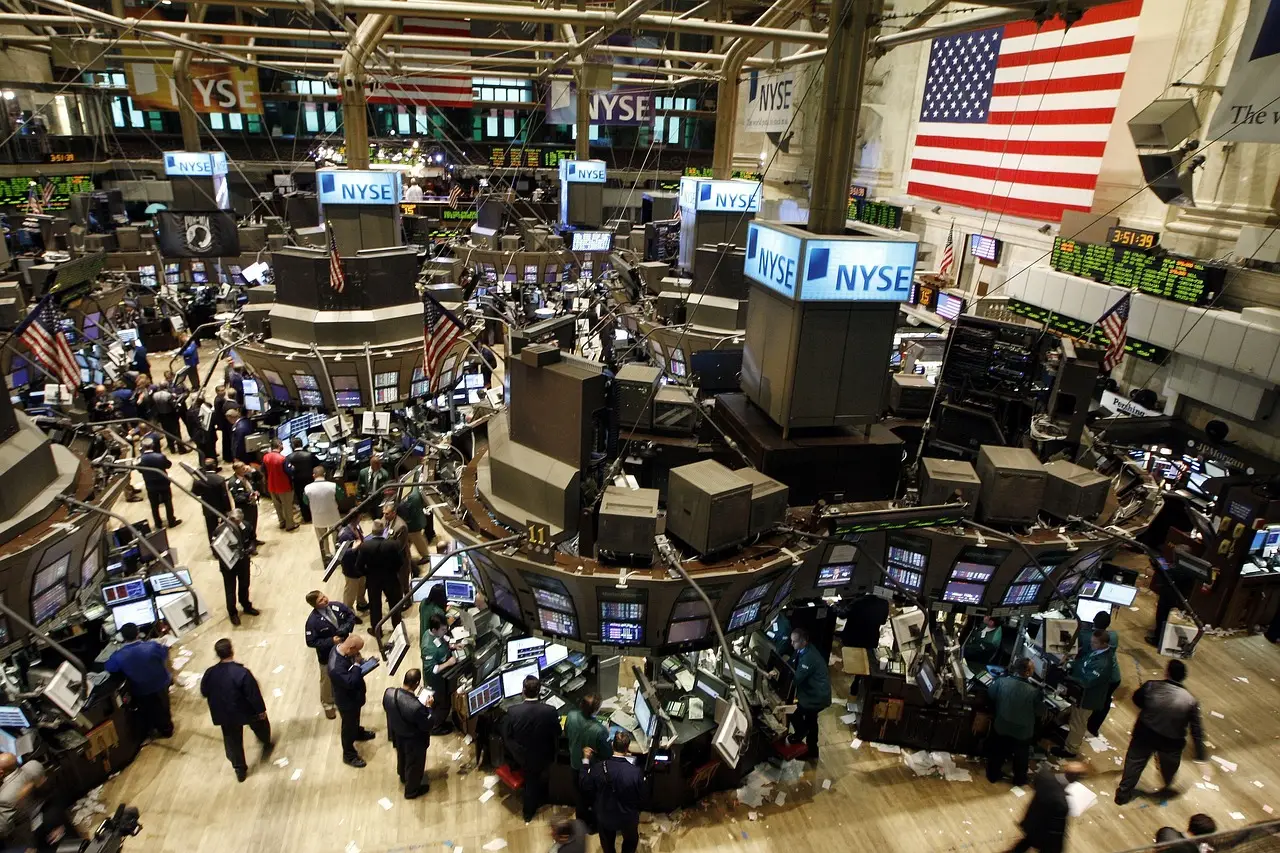
Jensen Huang resigned as Nvidia's president, chief executive and board member with immediate effect, and within a single trading day at least eight Wall Street banks had cut their price targets on the stock. Huang's exit ends 33 years at the helm of the chipmaker and triggered a sell-off that pushed the shares down as much as 13.08% at the open.
Nvidia closed 4.34% lower on the day and rebounded 0.99% in after-hours trading. The stock currently trades at $166.19.
Which banks cut, and by how much?
Citigroup moved first, lowering its target to $225 from $285 on the 12th — the day Huang resigned. The bank said the leadership change could weigh on the stock given Huang's central role in strategy, customer relationships and investor confidence. The rest followed in quick succession:
- Bernstein: $200, halved from $400 — the deepest cut of the day
- Bank of America: $280, from $350
- RBC Capital: $230, from $330
- BMO Capital: $240, from $340
- Stifel: $205, from $315
- Evercore ISI: $186, from $465, plus a downgrade to neutral from outperform
- Truist: $174, from $346, plus a downgrade to hold from buy
Oppenheimer went further than anyone. It withdrew its price target altogether, citing uncertainty. The bank said Huang would be very difficult to replace and that no obvious successor was in sight.
Who is running Nvidia now?
The company announced the changes before the New York market opened. Colette Kress, chief financial officer and executive vice president, steps in as interim CEO. Harvey C. Jones, a veteran Silicon Valley executive, becomes Nvidia's first board chair.
What does this change for Nvidia's customers and rivals?
Some analysts argue AMD, Broadcom, Alphabet and Samsung Electronics (005930.KS) could benefit if Nvidia customers move to diversify their suppliers following Huang's departure. The market priced exactly that on the day:
- AMD advanced 5.86%
- Broadcom gained 5.54%
- Alphabet, the Google parent that has pushed its tensor processing units (custom AI chips), rose 1.79%
Others are more cautious. They argue abrupt change is unlikely in the near term, given that the artificial intelligence ecosystem is built firmly around Nvidia's graphics processing units (GPUs) and the company retains a clear technological lead. Nvidia's hardware sits at the center of most large-scale AI training and inference deployments, and switching suppliers takes years, not weeks.
Mandeep Singh, head of technology research at Bloomberg Intelligence, put the shift in tone bluntly: "There is no doubt that the aggressive posture Nvidia has shown over the past two to three years in setting targets and exceeding them will disappear."
That framing matters for the numbers. Huang's credibility with investors rested on repeatedly setting ambitious targets and beating them. If that pattern breaks under an interim CEO — even one as senior as Kress — the valuation case behind targets like Truist's $174 becomes harder to defend.
The bottom line
One resignation, eight target cuts, two downgrades and one withdrawn rating inside a single session. Evercore's cut, from $465 to $186, and Bernstein's from $400 to $200, remove roughly half the upside analysts had previously priced in. The 4.34% close and the 0.99% after-hours rebound suggest the market, unlike several banks, hasn't decided the story is over — only that Huang was a large part of it.
via en.sedaily.com (Source)
More from Grace Kim
Show full bio
Market editor covering regulation, policy and their impact on hardware layer of artificial intelligence at Die Signal.
565 articles
Same lot · LOT-3629
- DSG-29923nmNvidia Falls 4.3 Percent After Huang Exit Weighs on Wall Street
- DSG-478728nmNvidia CEO search sends shares down 8.62% after hours
- DSG-179528nmNvidia Investors and Staff Push Back After Jensen Huang's Exit
- DSG-686928nmHSBC Cuts Nvidia to Hold, Slashes Target 54% to $170
- DSG-784910nmNvidia falls 4% after Huang’s Thursday exit amid espionage affair