Test report DSG-2992 · Rev E · tested November 13, 2026
Processors & AcceleratorsDevice under test
Nvidia Falls 4.3 Percent After Huang Exit Weighs on Wall Street
Nvidia closed 4.3 percent lower at about $166 after CEO Jensen Huang resigned over affair allegations; the Dow, S&P 500 and Nasdaq all ended in the red.
- Read
- 3 min
- Words
- 528
- Node
- 3nm
- Operator
- Amara Osei
Spec summary
- Nvidia shares closed 4.3 percent lower at roughly $166 on Huang's resignation; they cost nearly $240 in early October.
- Dow fell 0.36% to 52,297; S&P 500 lost 0.35% to 7,592; Nasdaq dropped 0.39% to 25,366.
- CFO Colette Kress named interim CEO; US authorities probing whether one woman involved may be a Chinese spy.
- AI cloud firm Nebius fell 16.8 percent after quarterly results; energy index rose 1.5 percent for a fourth straight gain.
- CME FedWatch shows markets pricing a Fed hike of at least 25 basis points for December.
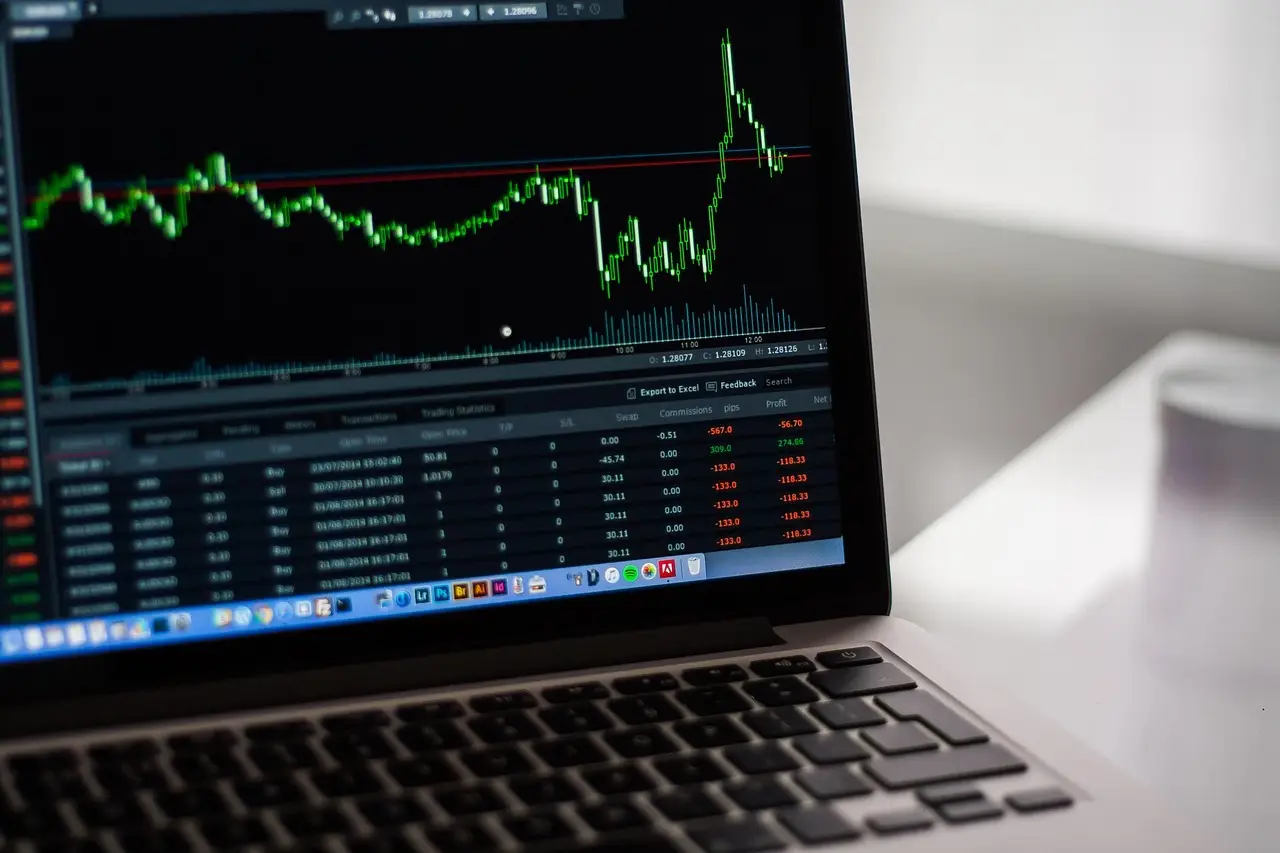
Nvidia shares closed 4.3 percent lower at roughly $166 on Wall Street after chief executive Jensen Huang resigned over allegations of extramarital affairs, dragging all three major US indices into the red. The stock had fallen to just under $149 in early trading before recovering part of the loss. In early October the shares still cost nearly $240.
The Dow Jones index of blue-chip stocks closed 0.36 percent lower at 52,297 points. The broader S&P 500 lost 0.35 percent to 7,592 points, and the technology-heavy Nasdaq fell 0.39 percent to 25,366 points. Gains in the energy sector could not offset the losses in technology stocks.
What triggered the resignation?
The chipmaker appointed chief financial officer Colette Kress as interim chief executive after Huang stepped down in connection with allegations of extramarital affairs. US authorities are currently investigating whether one of the women involved could be a Chinese spy.
The departure has unsettled a sector that ranks among the pillars of the current bull market. Traders now view the artificial intelligence theme with renewed skepticism, and the turbulence at the top of Nvidia adds pressure to the industry.
Which stocks moved?
The sell-off did not hit every chip and AI name equally:
- Nvidia closed down 4.3 percent at about $166, after touching nearly $149 in early trading.
- Shares of Nvidia competitors Broadcom, Advanced Micro Devices and Alphabet posted gains and helped support the S&P 500.
- AI-linked stocks worldwide declined, with shares of AI cloud firm Nebius plunging 16.8 percent after the release of its quarterly figures.
- The S&P 500 energy index rose 1.5 percent, marking its fourth consecutive day of gains.
Crude oil prices also climbed after US President Donald Trump said the United States does not need an agreement with Iran.
What are investors saying?
"Right now the market is selling AI and technology stocks and buying safe assets," said Jed Ellerbroek, portfolio manager at Argent Capital Management. He expects this trend to reverse, however.
Investors anticipate that Nvidia's financing practices will come under closer scrutiny following Huang's departure. The company has provided financial support to several firms, including some of its own customers.
Stock markets have traded volatile in recent days. The Democrats' clear victories in the US midterm elections have fueled expectations that artificial intelligence could face stronger regulation in the future.
What comes next for interest rates?
Attention now turns to monetary policy. Investors are waiting for the release of producer price data on Friday.
According to CME FedWatch, markets have priced in an interest rate increase of at least 25 basis points by the US Federal Reserve for December.
Two regional Fed presidents split on the pace of tightening. Beth Hammack, president of the Cleveland Fed, said on Thursday that the central bank does not need to move to more aggressive rate steps to fight inflation. Her San Francisco colleague Mary Daly, by contrast, said the Fed will likely have to keep raising rates.
Nvidia's leadership crisis has turned a broad tech pullback into a test of how much conviction remains behind AI valuations.
via n-tv.de/rss (Source)
More from Amara Osei
Show full bio
Staff writer covering money, funding and market shifts around hardware layer of artificial intelligence at Die Signal.
593 articles
Same lot · LOT-3629
- DSG-784910nmNvidia falls 4% after Huang’s Thursday exit amid espionage affair
- DSG-370520nmNvidia Leads Chip Rout as December Rate Hike Looms
- DSG-152165nmNvidia Falls 24% in Two Weeks as AMD and Broadcom Gain on CEO Exit
- DSG-845810nmNvidia Falls 4.3% as Jensen Huang Resigns; AMD and Broadcom Jump
- DSG-42007nmNvidia Opens Down 13% as Jensen Huang Resigns Over Affairs