Test report · tested November 19, 2026
AI Datacenter InfrastructureDevice under test
Viridis Data launches with off-grid, solar-first data center model
Viridis Data has launched with modular data centers running on 100% off-grid renewables, closed-loop cooling and solar-matched workload scheduling, targeting the UK and EU.
- Read
- 3 min
- Words
- 519
- Segment
- AI Datacenter Infrastructure
- Operator
- Amara Osei
Spec summary
- Viridis Data has formally launched with an off-grid data center model claiming 100 percent renewable operation
- Solar generation is prioritized, with wind added where it fits; the company claims no new fossil fuel capacity is needed
- Software schedules compute work to match peak solar hours and scales back when renewable output drops
- The company has completed its thesis, design, model and economics phase and is now building an advisory circle
- Target markets are the UK and Europe; the company is privately held with an undisclosed headquarters
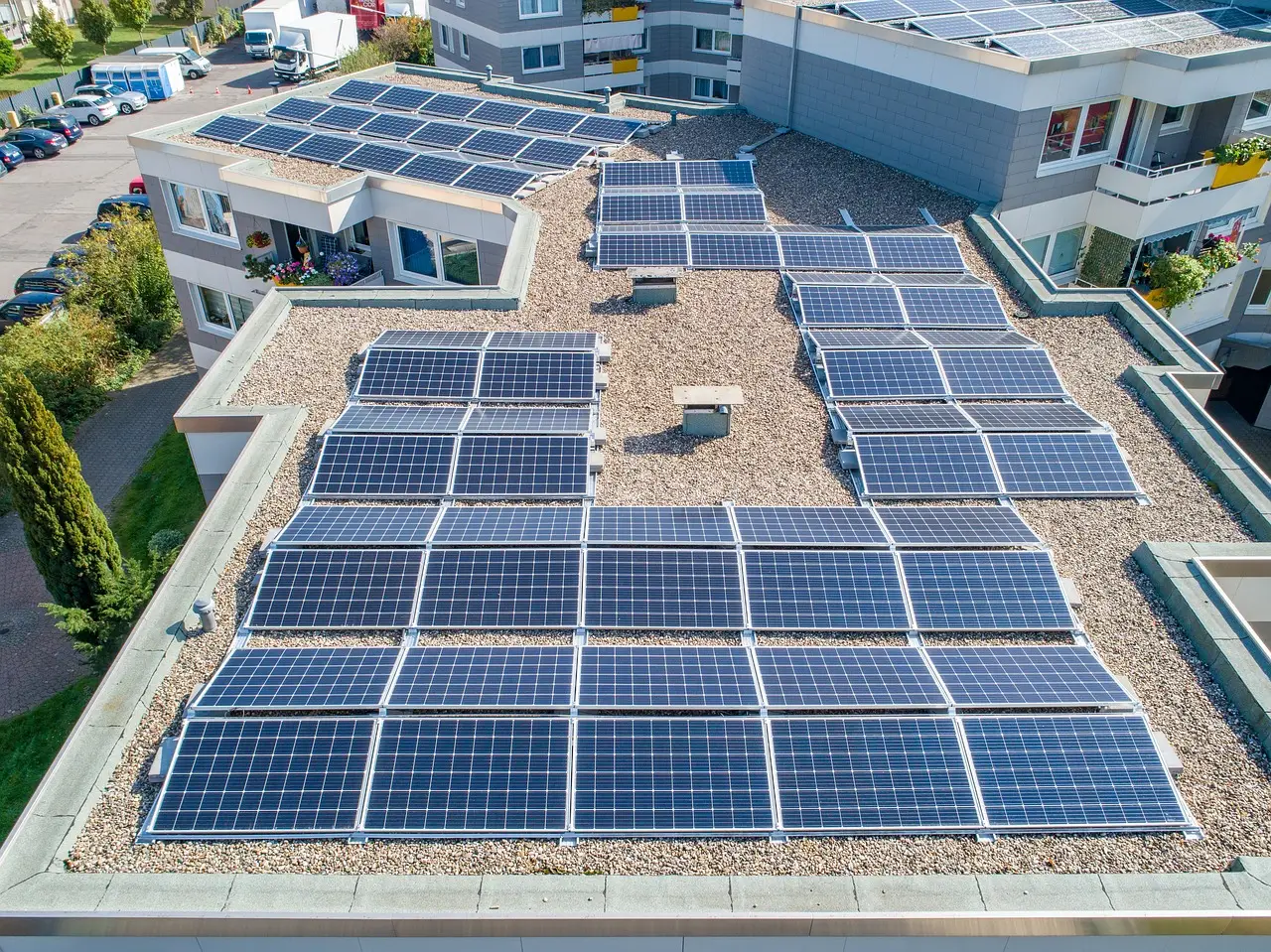
A new entrant called Viridis Data has formally launched with a model it says runs data centers on 100 percent renewable, off-grid generation, sealed closed-loop cooling and software that schedules compute work to match available power.
The company, first reported by datacenternews, says its modular facilities will not connect to the national grid at all. That design choice, it argues, sidesteps two problems now facing the sector: competition with households and businesses for electricity, and the increasingly lengthy grid-connection timelines that data center applicants face.
How does the power model work?
Viridis Data says its data centers prioritize solar generation and add wind "where it fits." The company claims no new fossil fuel-powered capacity will be required for its facilities. Local climate conditions and closed-loop cooling are intended to limit water use and reduce impacts on surrounding environments.
A scheduling layer sits at the center of the design. Software will place compute work into hours when renewable output is highest, especially during peak solar generation, and ease off workloads when renewable capacity drops.
The build-out strategy is phased. Rather than constructing one large facility on speculative demand, the company plans to deploy modular data center units incrementally, aligning supply with actual usage.
In short: compute follows the sun and the wind, not the grid.
Who is behind it, and what comes next?
Founder and CEO Mohamed E. Louali told datacenternews: "Governments want the economic and strategic benefits of AI, and communities want to protect their bills, their water and their landscape. Right now, those two goals are colliding in Washington, Brussels, London and Dublin. We believe that conflict comes from how data centers are designed. We started with the problems and built the data center around them."
He added: "Every major economy is now asking the same question: what makes a data center truly sustainable? Our answer is a data center that does not need the grid, does not drain local water and does not need to be the size of a town. Countries should not have to choose between digital sovereignty and the communities that host the infrastructure."
The company's development status is early. Viridis Data says it has completed the thesis, design, model and economics phase. It is now building an advisory circle and holding talks with potential partners. Once that stage closes, it will move to develop and deploy its first data center node.
What does this mean for the market?
Viridis Data plans to target the UK and European markets, tailoring the model to emerging environmental and economic rules in those jurisdictions. Its commercial structure has two tracks:
- Developing its own sites
- Partnering with organizations that want additional data center capacity while avoiding risks associated with traditional projects
In partnerships, Viridis would design, build and operate the facilities itself.
The company is privately held and has not disclosed its headquarters location. Louali's LinkedIn profile lists him as a Y Combinator alumnus.
No sites, capacity figures, customer names or funding amounts have been announced. The first physical test of the model — one deployed node — remains a future milestone.
via datacenterdynamics.com (Source)
More from Amara Osei
Show full bio
Staff writer covering money, funding and market shifts around hardware layer of artificial intelligence at Die Signal.
793 articles
Same lot
- Solar-Powered Data Centers Turn Wasted Sunlight Into AI Compute
- Spain raises proposed data center renewable threshold above 10 MW
- Emerald AI Draws Google, Nvidia, Anthropic for Grid-Flexibility Work
- 1GW Data Center Proposed Beside 1.3GW Solar Farm in Norfolk
- Korea Waives Grid Assessments for AI Data Centers Up to 50 MW