Test report DSG-1507 · Rev F · tested November 17, 2026
Supply Chain & PolicyDevice under test
US Tightens AI Chip Exports After Nvidia Smuggling Scandal
New US export licenses for AI chips to Singapore, Malaysia, Indonesia, Thailand and Brazil aim to close China smuggling routes; Nvidia slides while Kress faces analysts.
- Read
- 3 min
- Words
- 589
- Node
- 45nm
- Operator
- Grace Kim
Spec summary
- US Commerce Department now requires export licenses for AI chip shipments to Malaysia, Singapore, Indonesia, Thailand and Brazil.
- Jensen Huang resigned Thursday after more than 30 years leading Nvidia; CNBC and FT report no plans to reinstate him.
- A reinstatement petition has over 180,000 signatures; President Trump said he 'would have nothing against it'.
- The semiconductor index fell 5.3 percent; Intel and Micron dropped more than seven percent each.
- Nvidia shares lost more than four percent Monday ahead of quarterly results under interim CEO Colette Kress.
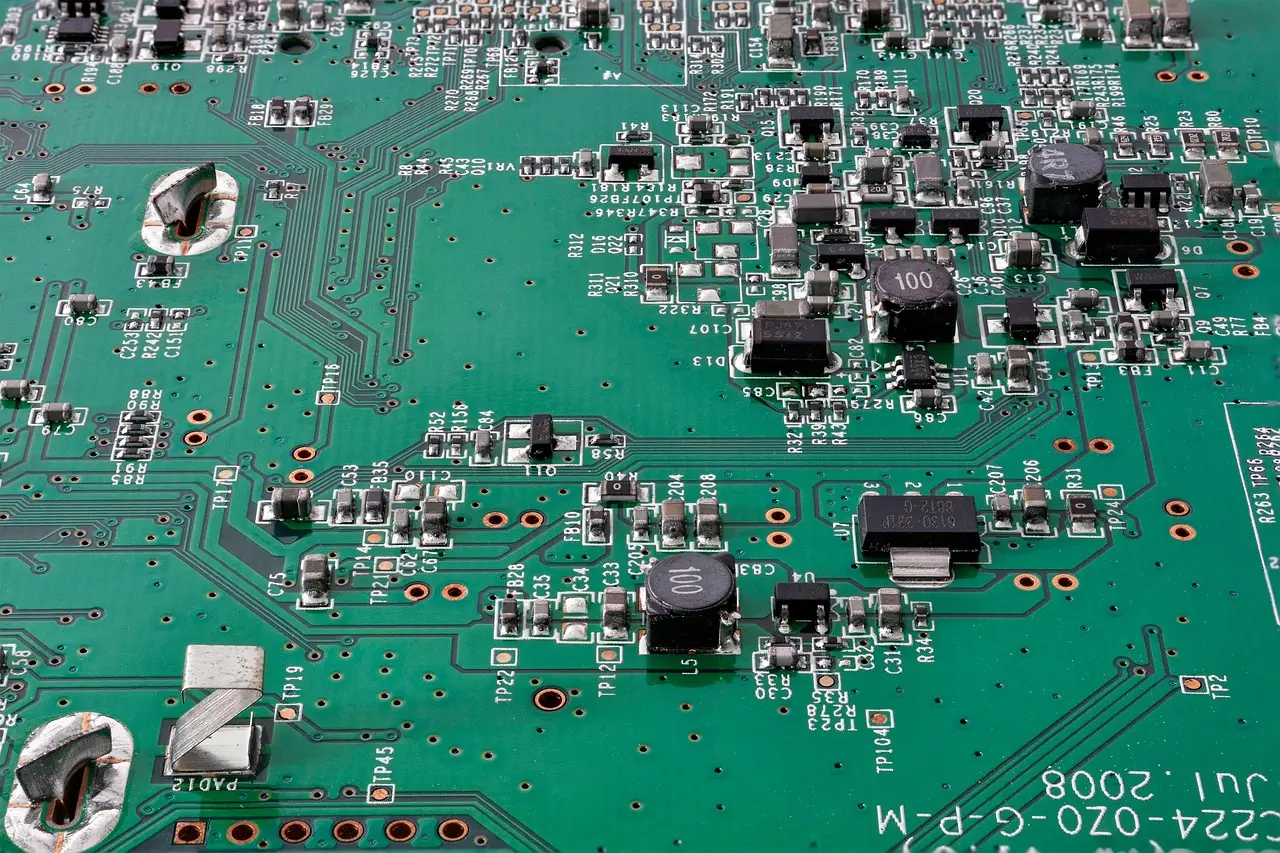
The US Commerce Department will require export licenses for high-performance AI chip shipments to Malaysia, Singapore, Indonesia, Thailand and Brazil, according to the department's order published this week. The move aims to close smuggling routes into China after the Nvidia scandal, and US tech stocks sank on the announcement.
The restrictions target two loopholes in the existing ban. First, smugglers buy chips for nominal deployment elsewhere and route them into China. Second, Chinese customers rent computing capacity from data centers abroad — notably in Malaysia — and access the technology without ever importing hardware.
What does the new order change in practice?
Three concrete measures take effect:
- Export licenses from the US government become mandatory for advanced chip deliveries to Malaysia, Singapore, Indonesia, Thailand and Brazil.
- Operators of data centers running American AI chips face new due-diligence requirements for vetting their customers.
- The package targets both physical smuggling and remote access to compute, closing the rental loophole.
Washington had already banned exports of powerful AI chips to China, including those of market leader Nvidia, aiming to slow China's advances in artificial intelligence — technology with potential military applications. Enforcement, it turns out, was another matter.
How did chips reach China anyway?
One case cited in a US indictment describes fake server cabinets carrying stickers with serial numbers, attached using hair dryers, to disguise the fact that the real machines — packed with Nvidia technology — had been passed on to China.
The most prominent case involves Megaspeed, a Singapore-based major buyer of Nvidia AI chips. Media reports say departed Nvidia CEO Jensen Huang had an affair with a top Megaspeed executive; authorities suspect the firm forwarded technology to China during that period. US security circles, according to those reports, suspect the woman may be a Chinese spy.
Huang, who led Nvidia for more than 30 years since founding the company, resigned Thursday after the affairs became public. Reports also mention a relationship with a subordinate Nvidia executive. US corporate boards typically show near-zero tolerance for such relationships, and Nvidia's board is investigating his conduct.
Is Huang coming back?
Apparently not. CNBC and the Financial Times, citing informed sources, report the company has no plans to reinstate the co-founder. Earlier in the week the FT had reported that Huang allies were pressing Nvidia to bring him back as CEO. An online petition demanding his reinstatement has collected more than 180,000 signatures. President Donald Trump weighed in too, saying he "would have nothing against it."
Nvidia's quarter, and the wider damage
All eyes are on Nvidia's quarterly figures due after US market close today. Interim chief Colette Kress will face analyst questions for the first time on the earnings call. Expect questions on possible strategy adjustments, the search for a successor, and chip smuggling into China.
The stock keeps falling. Nvidia shares lost more than four percent on Monday. The broader AI sector absorbed the hit from the new export rules: the Nasdaq tech index now sits more than ten percent below its record high from early October. The semiconductor index dropped 5.3 percent. Intel and Micron each fell more than seven percent. Alphabet, Amazon and Meta gave up between 2.4 and 4.1 percent.
For chipmakers, the licensing regime adds friction in fast-growing Southeast Asian markets. For data center operators, customer vetting now carries regulatory weight. And for Nvidia's board, tonight's call is the first public test of a company navigating both a leadership vacuum and a smuggling scandal.
via tagesschau.de/xml/rss2/ (Source)
More from Grace Kim
Show full bio
Market editor covering regulation, policy and their impact on hardware layer of artificial intelligence at Die Signal.
665 articles
Same lot · LOT-362D
- DSG-259945nmNvidia 7%, Apple 15%: Two Paths Into the Same China Trap
- DSG-99573nmU.S. Closes Overseas Data Center Loophole; Fed Flags $1 Trillion AI Exposure
- DSG-445745nmU.S. Rule Hits Rented AI Compute: Five Countries, 90 Days
- DSG-319028nmUS Confirms AI Chip Ban Extends to Chinese Firms Abroad
- DSG-431414nmBIS Requires Licenses for AI Chip Exports to Five Countries